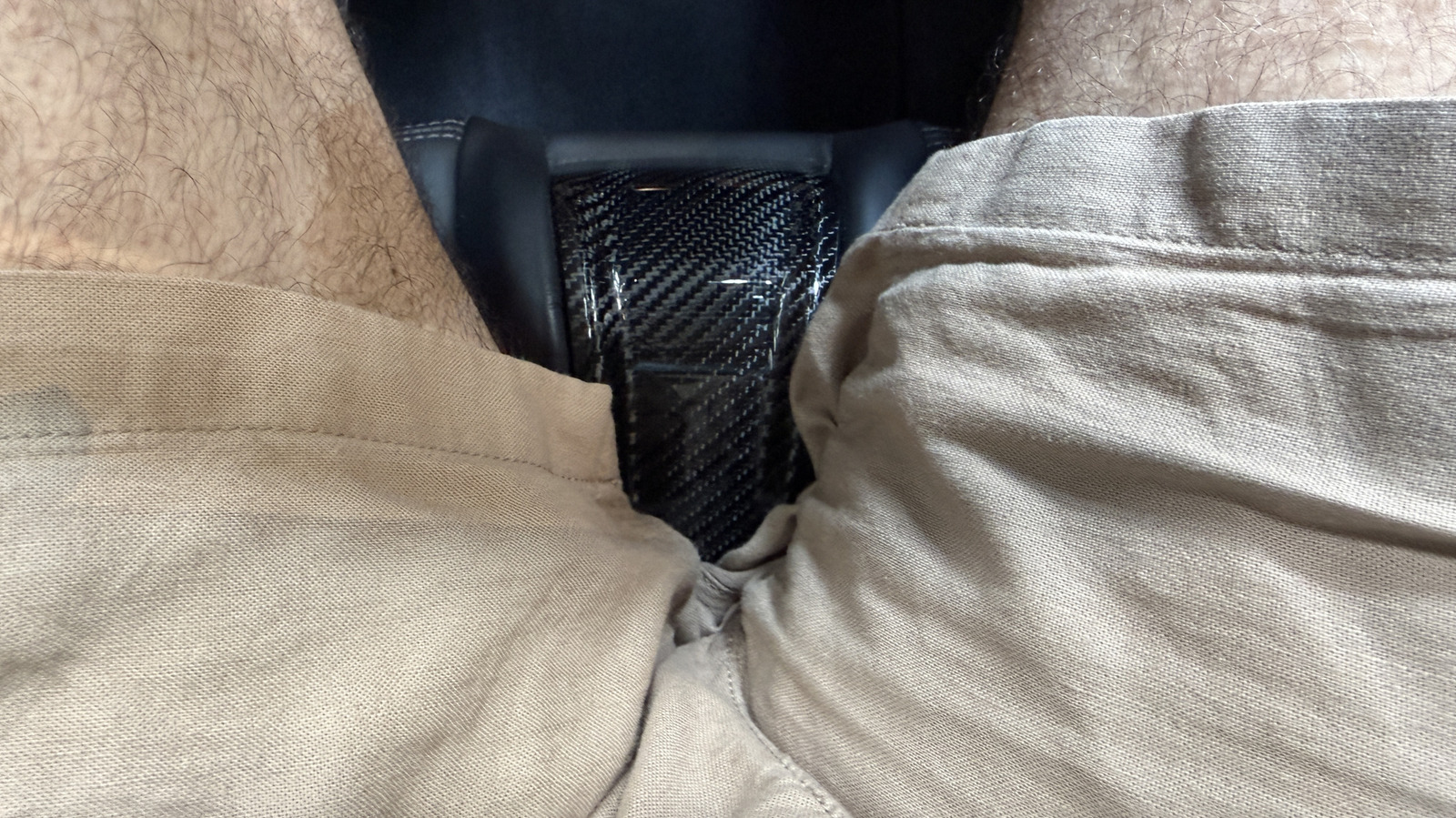
BMW's M2 CS arrives with aggressive styling and serious performance credentials, but its M Carbon bucket seats deliver a mixed verdict from drivers who spend extended time behind the wheel. The lightweight carbon fiber shells prioritize track-focused rigidity over long-distance comfort, creating a trade-off that polarizes enthusiasts.
The M Carbon buckets appear throughout BMW's M performance lineup, engineered to shed weight and provide lateral support during aggressive cornering. On the M2 CS specifically, these seats hold occupants firmly in place during dynamic driving, preventing the body roll and side-to-side movement that compromises control and feedback. That's precisely what BMW intended. The buckets reduce unsprung mass, contributing to the M2 CS's nimble handling character and quicker response compared to standard M2 models.
The problem emerges during normal driving. The seats feature minimal padding in critical areas and a narrow seating surface that feels aggressive against the thighs during standard commutes or longer road trips. Drivers report that the aggressive bolstering and firm support cushions, while excellent for track work, create pressure points that build discomfort over 30 minutes or more of driving. The bucket design prioritizes occupant containment over ergonomic compromise.
This reflects a broader tension in the performance car market. Manufacturers face pressure to reduce weight and deliver track-capable dynamics, yet buyers expect long-distance comfort. The M2 CS targets serious drivers willing to accept spartan accommodations in exchange for 503 horsepower, a six-speed manual transmission, and a 3.2-second sprint to 60 mph. The $103,500 starting price positions it as a driver's car first, daily-use vehicle second.
BMW offers this exact trade-off deliberately. The M Carbon buckets signal that this is not a luxury touring machine. The M440i xDrive or standard M2 models provide more forgiving cloth or leather seating for owners who prioritize comfort. The CS variant demands commitment.
Other manufacturers make similar choices. Porsche's Carrera GT and current 911 GT3 feature equally aggressive bucket designs. Lamborghini's Revuelto includes adjustable performance seats that sacrifice comfort when dialed to maximum support. Even more accessible performance cars like the Chevrolet Corvette offer optional racing seats that create comparable discomfort during casual driving.
The M2 CS exists in a specific niche. It competes with the Porsche 911 Carrera GTS, Audi RS 5, and Mercedes-AMG C63. Each delivers different seating philosophies. The 911 integrates sport seats that balance support with everyday usability. The RS 5 leans toward comfort. The C63 offers multiple seating configurations depending on buyer preference.
For buyers considering the M2 CS, the M Carbon buckets warrant serious thought. Track days and spirited weekend drives will feel thrilling. Daily commutes will feel punishing. Test drives matter here. What feels acceptably firm on a demo lap may prove genuinely uncomfortable during morning rush hour.
BMW's engineering delivers what it promises. The buckets work. They just work at the expense of comfort that customers accustomed to modern performance cars typically expect. The trade-off remains unambiguous, and that honesty separates the CS from diluted competitors.