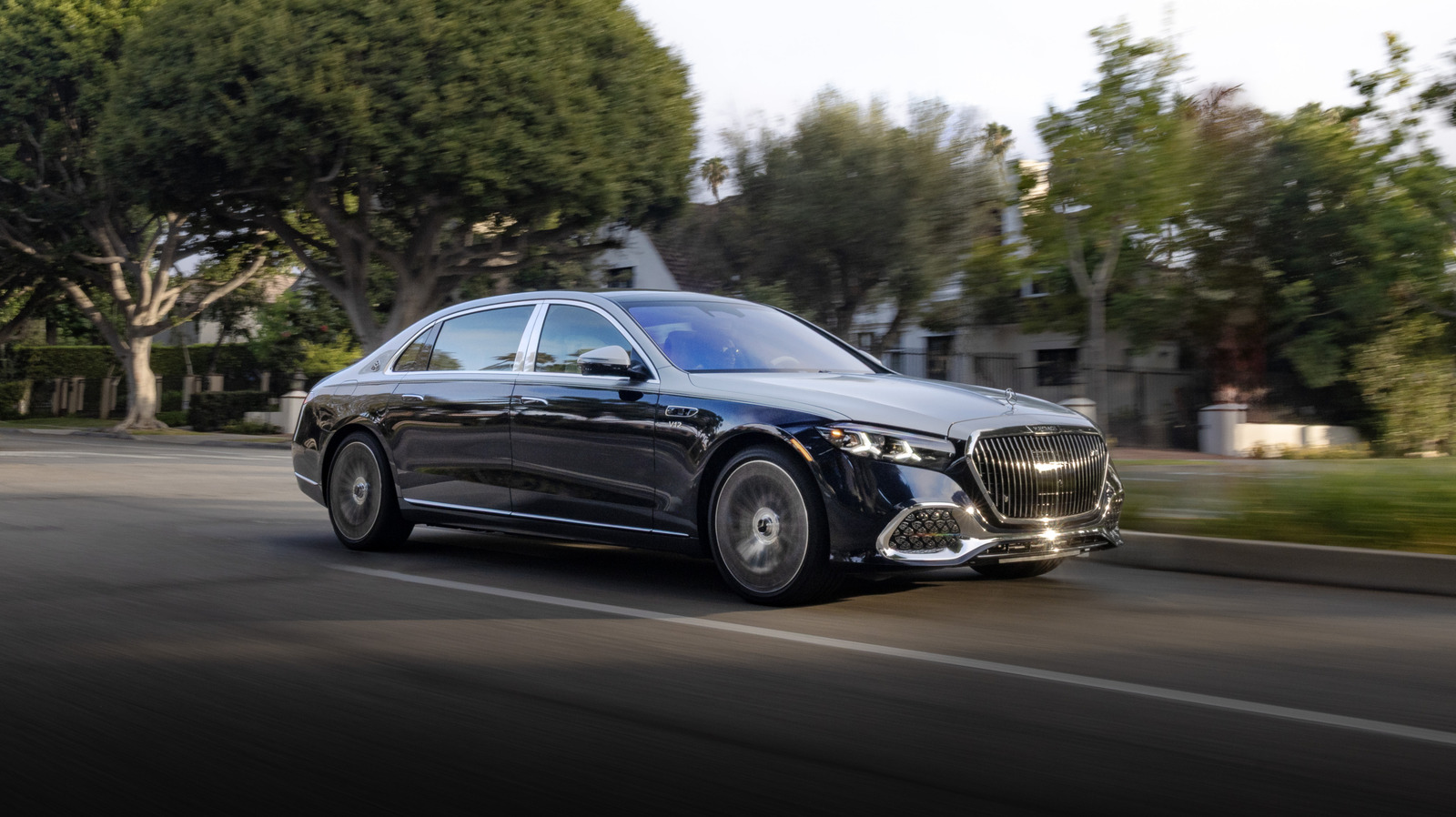
# The Birth of Mercedes-Maybach: Revival of a Legendary Marque
Mercedes-Benz revived the Maybach nameplate in 2015 with the introduction of the Mercedes-Maybach S-Class, marking the return of one of automotive history's most prestigious ultra-luxury brands. The decision to resurrect Maybach after more than a decade of absence reflected Mercedes' strategy to reclaim dominance in the stratospheric luxury segment dominated by ultra-wealthy clientele.
The original Maybach company, founded in 1909 by Wilhelm Maybach, built some of the world's finest automobiles before World War II. The marque disappeared from production in 1941. Mercedes-Benz acquired the Maybach brand in 1960 but only resurrected it for modern production in 2002, releasing the Maybach 57 and 62. Those vehicles failed to capture sufficient demand, and Mercedes discontinued the line in 2013, recognizing that standalone ultra-luxury marques struggled against the gravitational pull of the three-pointed star itself.
The 2015 Mercedes-Maybach S-Class strategy represented a fundamental shift. Rather than creating an entirely separate brand requiring its own dealer network and identity, Mercedes embedded Maybach as a sub-brand within its S-Class lineup. The S600 Maybach variant featured an extended wheelbase, more luxurious materials, and bespoke appointments that positioned it above standard S-Class models but under the Mercedes brand umbrella.
This approach worked. The Mercedes-Maybach S-Class found its audience among ultra-wealthy buyers in Asia, the Middle East, and Europe who craved exclusivity without sacrificing the prestige and service network of Mercedes-Benz itself. The elongated sedan offered up to 621 horsepower from a twin-turbocharged V12 engine, advanced autonomous driving features, and an interior rivaling private aircraft cabins in refinement.
Mercedes expanded the strategy beyond sedans. The Mercedes-Maybach GLS SUV launched in 2021, bringing ultra-luxury appointments to the high-riding segment that dominates among billionaire buyers globally. The brand also introduced the Mercedes-Maybach EQS in 2024, signaling that Maybach would anchor Mercedes' electric vehicle push at the luxury apex.
The 2015 resurrection succeeded where the 2002-2013 iteration failed because Mercedes recognized that today's ultra-wealthy buyers prize brand heritage and ecosystem integration over standalone exclusivity. Competitors like Rolls-Royce and Bentley maintain independent identities, but they operate within the BMW and Volkswagen groups respectively. Mercedes found that slotting Maybach as a premium tier within its existing portfolio generated stronger demand while reducing complexity.
Today, Mercedes-Maybach represents roughly 10-12 percent of S-Class sales globally, with disproportionate strength in China and the Gulf states. The nameplate generates substantial profit margins despite modest volume, exactly what Mercedes sought when it dusted off the Maybach nameplate nine years ago. The brand now stands as proof that automotive heritage, properly leveraged, can create new demand even in mature luxury markets.