Hyundai is restructuring its performance lineup to capture buyers between entry-level N-Line models and full-blown N vehicles. The automaker plans to introduce a rear-wheel-drive performance car by 2030 alongside a new mid-tier performance brand that will sit strategically between N-Line and full-N offerings.
The new RWD model will come standard with rear-wheel drive, with all-wheel drive available as an option. Beyond that detail, Hyundai has withheld specifications, pricing, and target segments. The company remains quiet on engine options, horsepower targets, and whether this car will be a sedan, coupe, or hatchback.
This move reflects Hyundai's broader strategy to dominate performance segments at multiple price points. N-Line currently serves as an accessible entry point with modest visual and handling upgrades. Full-N models like the i30 N and upcoming Ioniq 5 N deliver serious hardware: turbocharged engines, limited-slip differentials, and track-focused tuning. A middle tier suggests Hyundai sees room for profit between these extremes.
The timing matters. By 2030, electrification will dominate the industry, making conventionally powered RWD sports cars rarer and potentially more collectible. Hyundai's commitment to a pure combustion-engine performance car signals confidence in petrolhead demand despite the EV transition. Porsche, BMW, and Mercedes are all hedging bets with final-generation internal-combustion models before the ICE era closes. Hyundai follows that playbook.
The new mid-tier brand likely addresses a real market gap. Buyers want more than cosmetic changes and minor suspension tweaks but may not need full N-level costs or complexity. Think sharper styling, turbocharged engines with respectable output, sport-tuned suspensions, and performance brakes without extreme track capability. European competitors like BMW M340i models occupy this space profitably.
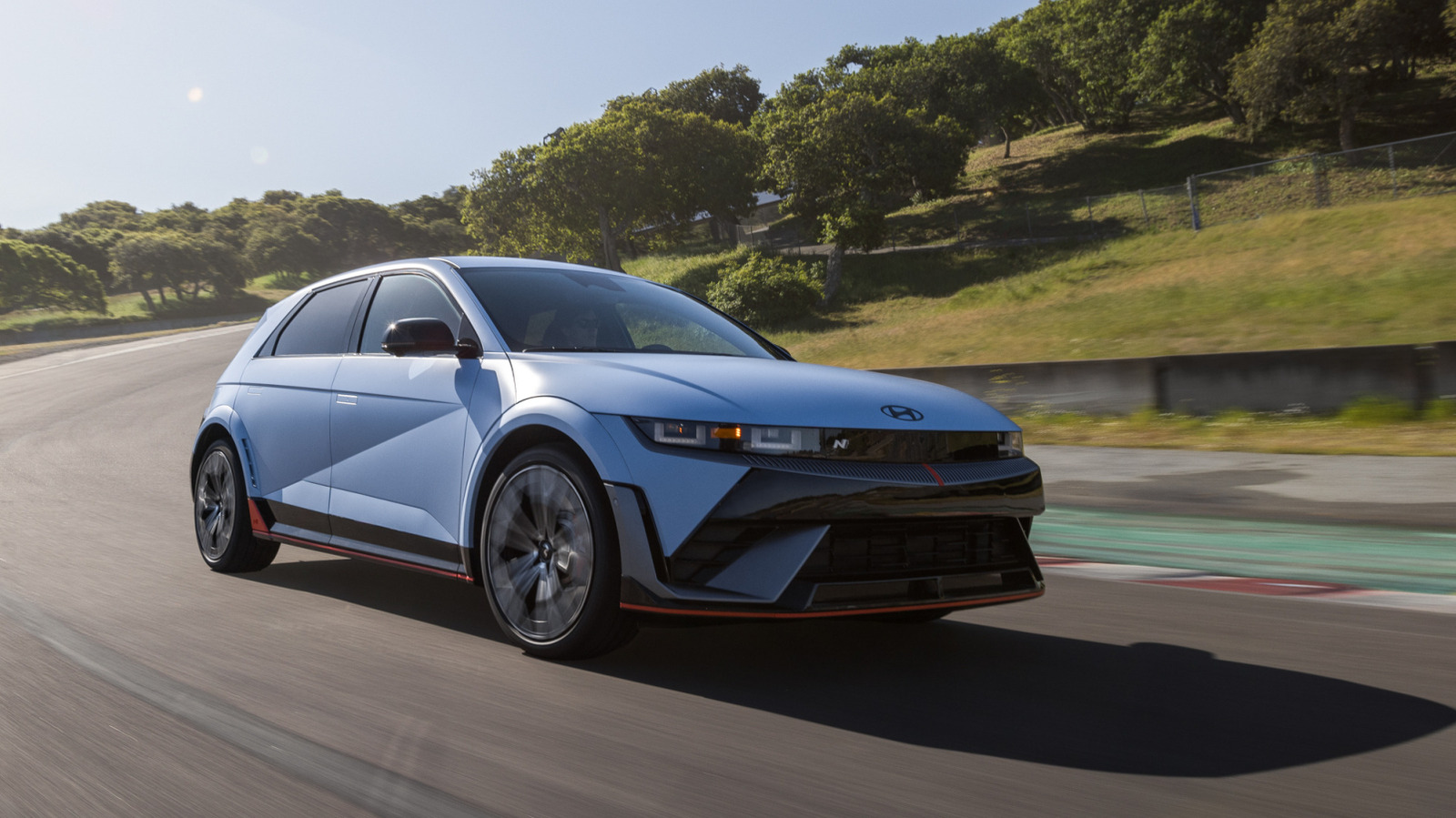
Hyundai's N division has matured rapidly. The brand launched the i30 N in 2017 as a hot hatch challenger to the Volkswagen Golf GTI. Since then, N models have expanded to the Elantra N sedan, Veloster N coupe, and most significantly, the Ioniq 5 N electric performance car. Each model improved dynamics and broadened appeal. The Ioniq 5 N proved electrified performance sells, with strong demand offsetting its six-figure price.
Launching a new RWD car in 2030 positions Hyundai to compete directly with upcoming BMW Z4 successors, potential new Nissan Z models, and whatever Toyota produces as the Supra evolves. The RWD platform also opens pathways for future models across Hyundai's lineup. A rear-wheel-drive architecture differs fundamentally from the front-drive bias that defines most Hyundai vehicles, requiring new engineering investments but unlocking product possibilities.
The mystery remains whether this 2030 car uses existing platforms or debuts a new RWD architecture. Hyundai could adapt the same structure shared with Kia and Genesis, or develop something proprietary. Engine options likely include a turbocharged four-cylinder as base power with a turbo V6 or hybrid system for higher trims.
The mid-tier performance brand lacks even a tentative launch window, suggesting longer development timelines. Hyundai may test market responses first, potentially using existing models as test beds before committing to dedicated hardware.
These announcements underscore Hyundai's determination to shed budget-brand perceptions. N performance and upscale Genesis luxury are the automaker's spearheads against established premium rivals. Performance franchises build brand equity and attract younger buyers willing to trade up. By 2030, Hyundai aims to own multiple performance tiers, not just the hot-hatch segment.