Consumer Reports and the EPA measure fuel economy through fundamentally different testing protocols, explaining why the gap between laboratory estimates and real-world results often frustrates drivers at the pump.
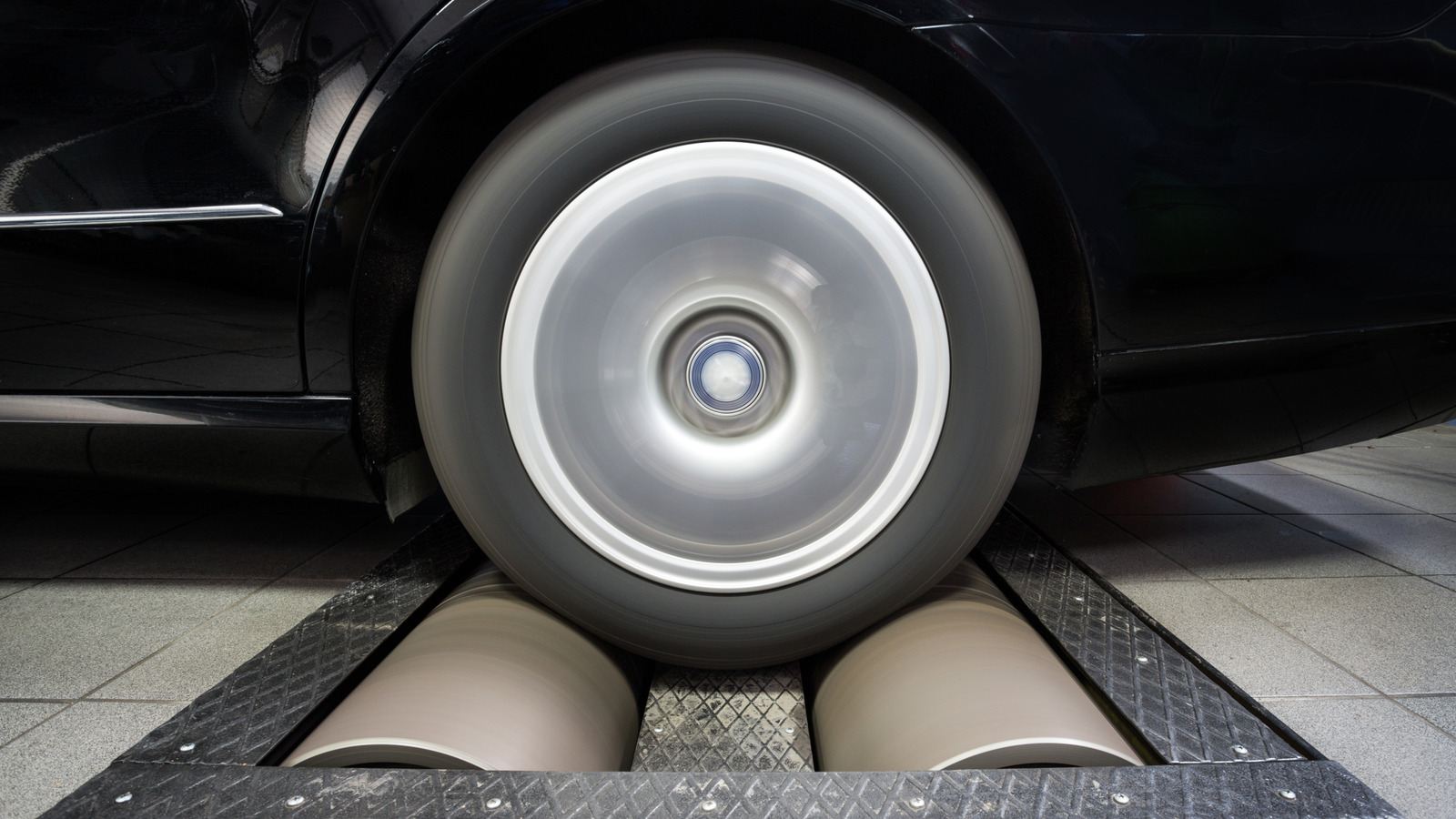
The EPA uses a standardized laboratory test conducted on a dynamometer, a machine that simulates driving conditions without moving the vehicle. The test includes city driving cycles, highway driving cycles, and air conditioning use, all performed at controlled temperatures around 68 degrees Fahrenheit. This controlled environment produces those official MPG figures you see on window stickers and manufacturer advertisements. The EPA's methodology prioritizes consistency and repeatability, making it easier to compare vehicles directly.
Consumer Reports takes a different approach. The testing organization conducts real-world driving tests on actual roads and highways, using actual Consumer Reports staff drivers operating vehicles under varying conditions. This means different ambient temperatures, traffic patterns, actual acceleration demands, and driving styles factor into their calculations. Consumer Reports also tests vehicles with different driving techniques, from aggressive acceleration to smooth, hypermiling-style driving. The organization accumulates data across multiple test runs and real-world conditions to arrive at fuel-economy estimates.
The practical result matters to consumers. EPA numbers typically appear optimistic compared to what average drivers experience. A sedan rated at 32 MPG highway by the EPA might achieve 28-29 MPG in Consumer Reports testing. This gap reflects the difference between laboratory perfection and the chaos of actual driving. Real drivers don't maintain constant speeds on level roads at moderate temperatures. They accelerate harder than EPA test cycles demand. They drive in cold weather, which reduces fuel economy. They carry cargo and passengers the EPA didn't account for.
Consumer Reports' methodology also reveals performance variation among individual vehicles. Two examples of the same model might produce slightly different fuel-economy results depending on condition, maintenance, and individual variance in manufacturing. This real-world variability disappears in EPA lab testing, where every vehicle theoretically performs identically.
The EPA updated its testing protocols in 2008 with the two-cycle method and later introduced additional adjustments, including air conditioning use and aggressive acceleration. These changes narrowed the gap between EPA estimates and actual results, but meaningful differences persist. Consumer Reports data often aligns more closely with what everyday drivers report achieving in their own vehicles.
Manufacturers and dealers rely heavily on EPA figures for marketing purposes. The official numbers carry legal weight and appear on all promotional materials. Consumer Reports publishes their fuel-economy data as independent validation, helping buyers understand what they might realistically expect. Savvy shoppers cross-reference both sources before purchasing a vehicle.
The bottom line remains straightforward. EPA numbers represent best-case laboratory conditions. Consumer Reports numbers reflect how these same vehicles perform when real people drive them under real conditions. Neither measurement is wrong. They simply measure different things. Drivers seeking the most realistic fuel-economy expectations should consider both sources, then acknowledge that their personal results will vary based on driving habits, climate, maintenance, and road conditions they encounter daily.