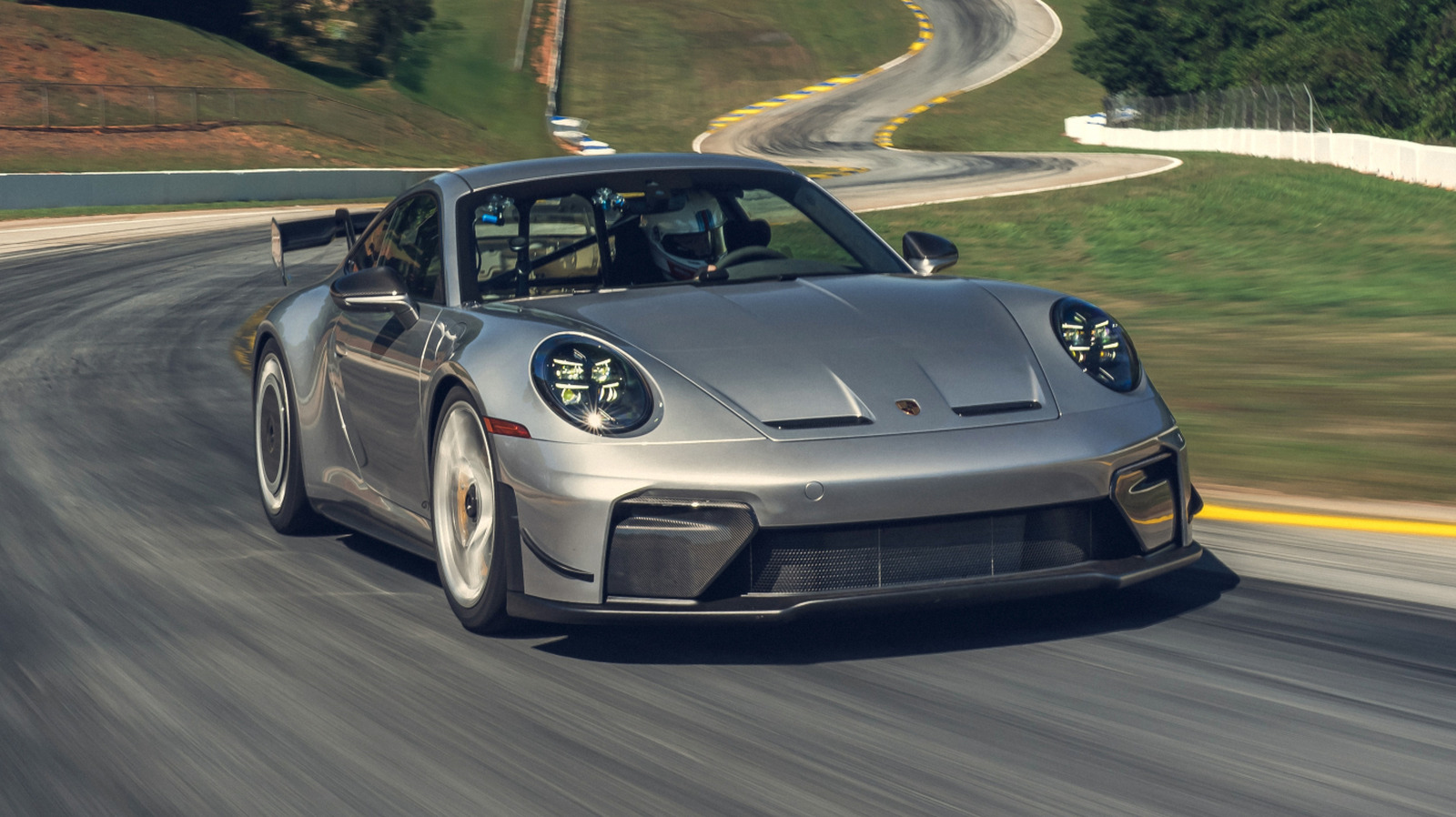
Porsche's reputation for value retention ranks among the strongest in the automotive industry, yet certain models in the Stuttgart brand's lineup face steeper depreciation curves than buyers expect. A recent analysis examining real-world ownership costs reveals which Porsche variants shed value fastest, challenging the assumption that all models from the German automaker preserve equity equally.
The Porsche brand consistently outperforms competitors in depreciation metrics. Models like the 911 and Boxster typically retain 50 to 60 percent of their original purchase price after five years of ownership. This strength derives from consistent demand, limited annual production, strong brand prestige, and the engineering reputation that Porsche built over seven decades. Buyers seeking used Porsches generally face tight supply, which bolsters resale values across the range.
However, depreciation doesn't affect all Porsche models uniformly. Certain variants experience faster value loss than the brand average. The Panamera sedan, Porsche's four-door entry, historically depreciates more aggressively than the iconic 911 or Cayman. Several factors drive this pattern. Panamera buyers often lease rather than purchase outright, flooding the used market with off-lease inventory. The sedan competes directly with German luxury rivals from BMW, Mercedes-Benz, and Audi, which increases price pressure in the secondary market. Additionally, Panamera depreciation intensifies because fewer buyers prioritize four-door Porsches compared to two-seat sports cars that define the brand's identity.
The Porsche Macan, the brand's compact crossover SUV, presents mixed results. Early Macan generations depreciated faster than recent iterations. The 2015 to 2018 model years faced significant value drops as newer generations arrived with updated interiors, infotainment systems, and powertrain options. Buyers shopping used Macans discovered that the gap between older and newer used examples narrowed sharply, eroding asking prices for earlier variants. The introduction of the all-electric Macan Electric further pressured resale values for previous generations powered by conventional engines.
The Porsche Cayenne, the brand's three-row SUV, shows more stable depreciation but still lags behind the 911 and Cayman. Like the Panamera, Cayenne ownership patterns favor leasing, which accelerates depreciation through higher used inventory. The Cayenne's broader appeal to practical buyers seeking family transportation rather than driving engagement also softens demand for used examples.
High-mileage Porsche 911s represent another depreciation surprise. While low-mileage examples command strong prices, 911s with 80,000 miles or more experience sharper value drops than equivalent mileage examples of competing sports cars. This reflects buyer preferences for lower-mileage Porsches given their longevity and the expectation that owners should drive them sparingly.
Color choices influence Porsche depreciation too. Standard colors like black, white, silver, and gray command better resale values than exotic hues. Buyers selecting uncommon Porsche colors face resale headwinds when selling privately or trading in vehicles.
For potential Porsche buyers, depreciation patterns warrant careful consideration. While the brand generally holds value well, shopping for specific models, generations, and specifications matters substantially. Seeking low-mileage examples in popular colors from strong model generations maximizes long-term equity preservation. Understanding which Porsches depreciate fastest helps buyers make informed decisions about ownership costs beyond the initial purchase price.