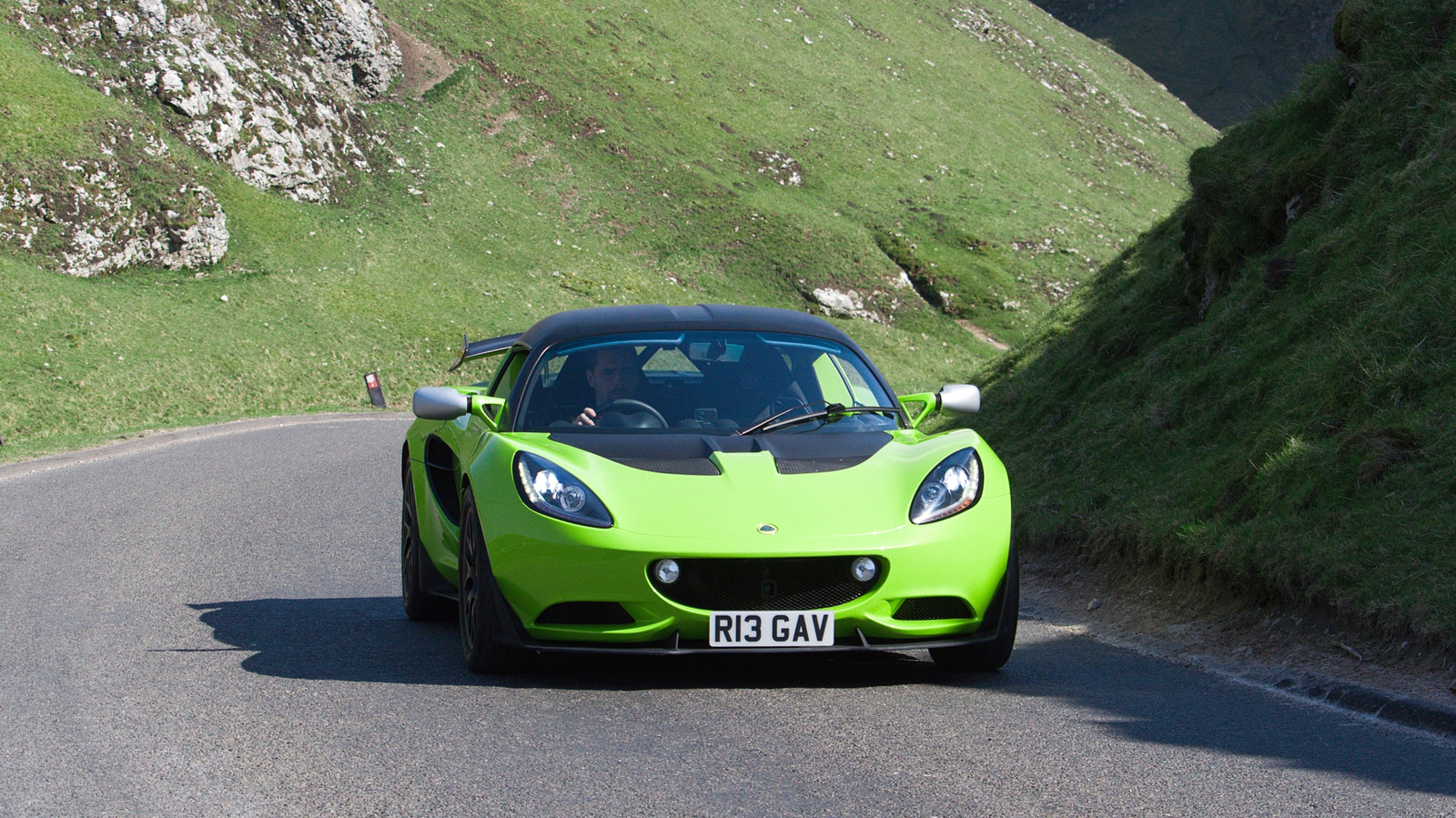
# The Case for Unconventional Taste in Car Ownership
A recent roundup of reader submissions reveals a refreshing shift in how car enthusiasts define quality and desirability. Rather than gravitating toward predictable luxury marques and sports cars, owners increasingly gravitate toward vehicles that signal discernment through differentiation rather than badge prestige.
The pattern here matters. When someone drives a Porsche 911, they're making a safe bet. Everyone understands what a 911 means. It's a culturally validated choice. But when an owner selects something genuinely unusual, they're broadcasting something different. They've done homework. They've developed convictions beyond marketing narratives and resale value spreadsheets.
The automotive industry has spent decades training consumers to conflate "good taste" with predictable luxury. Mercedes sedans, BMW coupes, Range Rovers. These cars work as status signals precisely because their meanings are fixed in the cultural consciousness. Buy one, and you communicate belonging to an established hierarchy.
Left-of-center choices disrupt that formula. An owner of a Citroën 2CV, a Saab 900, or a Volvo P1800 tells a different story. They value engineering philosophy over nameplate weight. They understand automotive history beyond the last five model years. They prioritize quirk and character over showroom newness.
This taste manifests across categories. A Jaguar E-Type Classic owner shows different judgment than a Tesla Model S owner, even if both spent similar money. A Lancia driver demonstrates commitment to a brand that requires passion and mechanical sympathy. A Datsun 240Z owner proves they recognize undervalued classics before hype catches up.
The shift reflects broader cultural change. Younger buyers especially reject the conspicuous consumption model their parents embraced. Social media has democratized car knowledge. Someone in rural Ohio can now access the same documentation, forums, and YouTube channels as someone in LA. Information asymmetry has collapsed. You cannot hide behind badges anymore.
Manufacturers notice. Subaru built an entire brand identity around "good taste" without pretense. Mazda leans into driving engagement over raw power. Mini courts creative buyers willing to personalize. Toyota's bZ4X appeals to environmentally conscious owners who want substance beneath the EV badge.
The truly interesting ownership choices involve tradeoffs. A Dacia Sandero owner accepts basic materials and modest performance to prioritize honest engineering and low cost. A Lancia Fulvia owner sacrifices reliability for mechanical soul and design heritage. These decisions reveal philosophy. They show what the owner actually values when forced to choose.
Industry consolidation has made this taste even rarer. When Fiat owned Lancia, when Toyota hadn't killed Scion, when Pontiac existed as a distinct brand, eccentricity came easier. Today, owning something genuinely different requires active hunting through used markets, import channels, or specialty dealers. It requires effort. That effort itself signals commitment.
The cars that instantly reveal good taste are rarely the newest or most expensive. They're the ones where the owner's choices diverged from the obvious path. They demonstrate self-knowledge and independence. In a mass market built on conformity, owning something different has become the truest luxury.