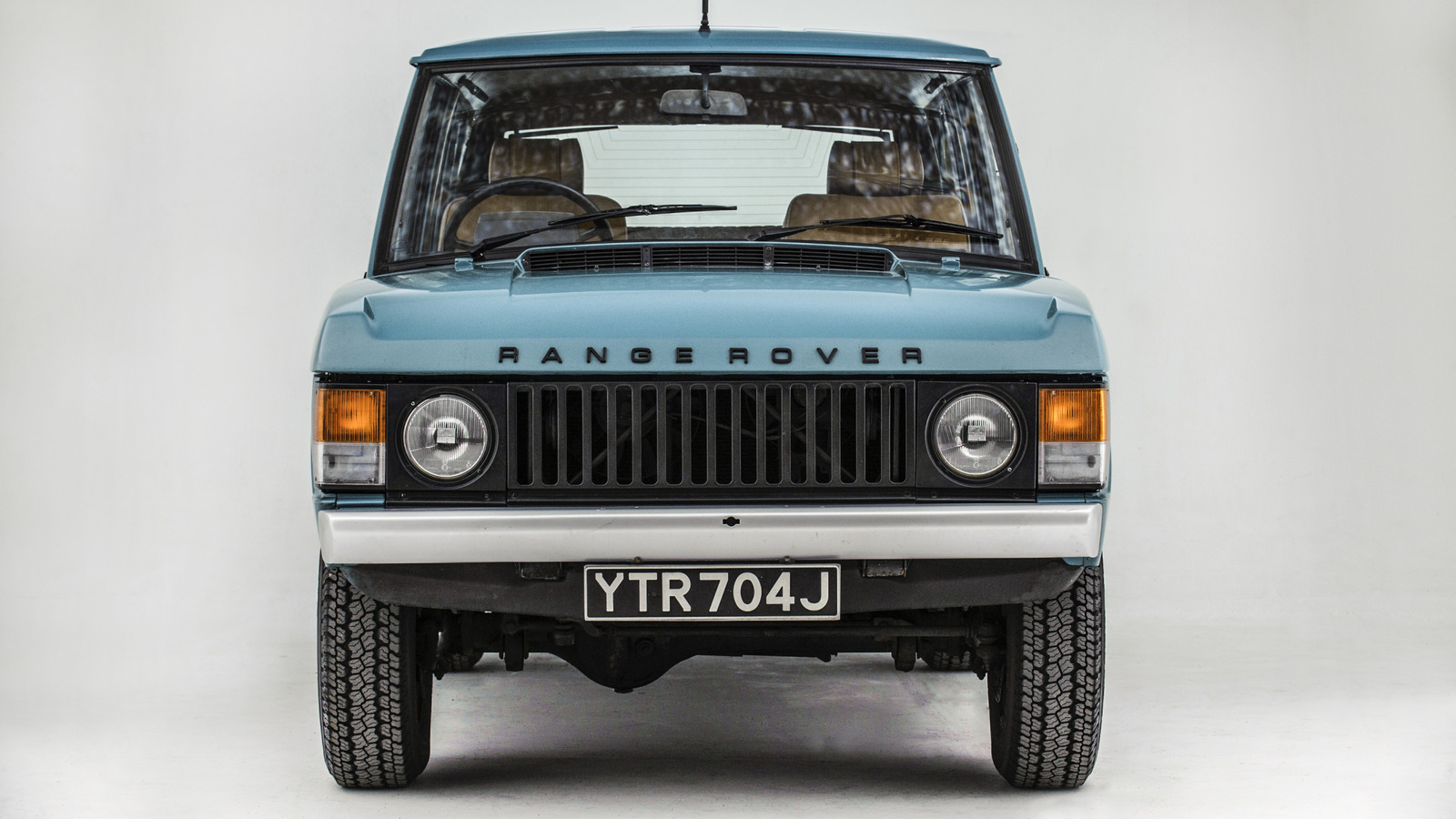
# Restoring Reliability to Classic Range Rovers: The Hard Truth
The Range Rover name carries prestige, but owning a classic example from the 1970s through 1990s requires realistic expectations about what restoration can and cannot fix. These vehicles suffer from systemic design and manufacturing flaws that no amount of money entirely resolves.
Classic Range Rovers fail predictably. Wiring harnesses corrode and short out. Electrical gremlins plague owners with random failures across lighting, gauges, and engine management systems. Rust penetrates the galvanized steel chassis, creating structural weakness that spreads faster than repairs can address it. Suspension components seize. Cooling systems leak. The interior trim deteriorates. These problems do not occur in isolation. They cluster together, creating a cascading effect where fixing one issue exposes three others.
The frame rot problem deserves specific attention. Range Rover chassis from this era used a design vulnerable to moisture entrapment. Water collects inside the frame rails and box sections, corroding from the inside outward. Surface-level rust treatment misses the real damage. By the time rust becomes visible on the exterior, structural integrity has already suffered. Professional frame restoration requires cutting out compromised sections and welding in new material. This work is expensive, time-consuming, and never restores the original strength.
Wiring presents another perennial headache. Early Range Rovers employed copper wiring without adequate shielding or corrosion resistance. Connectors oxidize. Insulation cracks. Replacement requires tracing each circuit through miles of harness hidden behind panels. Complete rewiring jobs cost thousands and consume weeks of labor. Partial repairs often fail within months as overlooked corroded sections activate.
Can owners achieve reliability? The answer is qualified yes, with caveats.
Professional resto-modders have proven that comprehensive rebuilds work. Complete disassembly, replacement of all corroded wiring, structural repair, engine reconditioning, and upgrade of weak points like cooling and electrical systems produce vehicles that run reliably. These restorations cost upward of 80,000 to 150,000 dollars depending on starting condition. The vehicle that emerges drives and functions like a properly maintained modern car, not a classic prone to frequent failures.
For owners unwilling to commit to this level of investment, partial reliability remains achievable through targeted maintenance. Regular inspection catches rust before it penetrates deep. Preventive cooling system overhauls avert overheating. Electrical repairs focused on known problem areas delay total failure. These vehicles will never be trouble-free, but they become manageable.
The reality confronting buyers: a classic Range Rover in original condition is not reliably restorable through casual weekend work. The restoration market has established this conclusively. Owners must choose between accepting frequent breakdowns and chronic unreliability, or investing restoration budgets that rival purchasing a used modern SUV. This explains why pristine restorations command premium prices while honest project examples sit for sale at realistic prices that reflect their true condition.
The glamour of Range Rover heritage appeals to romantics. The mechanical reality demands pragmatism.