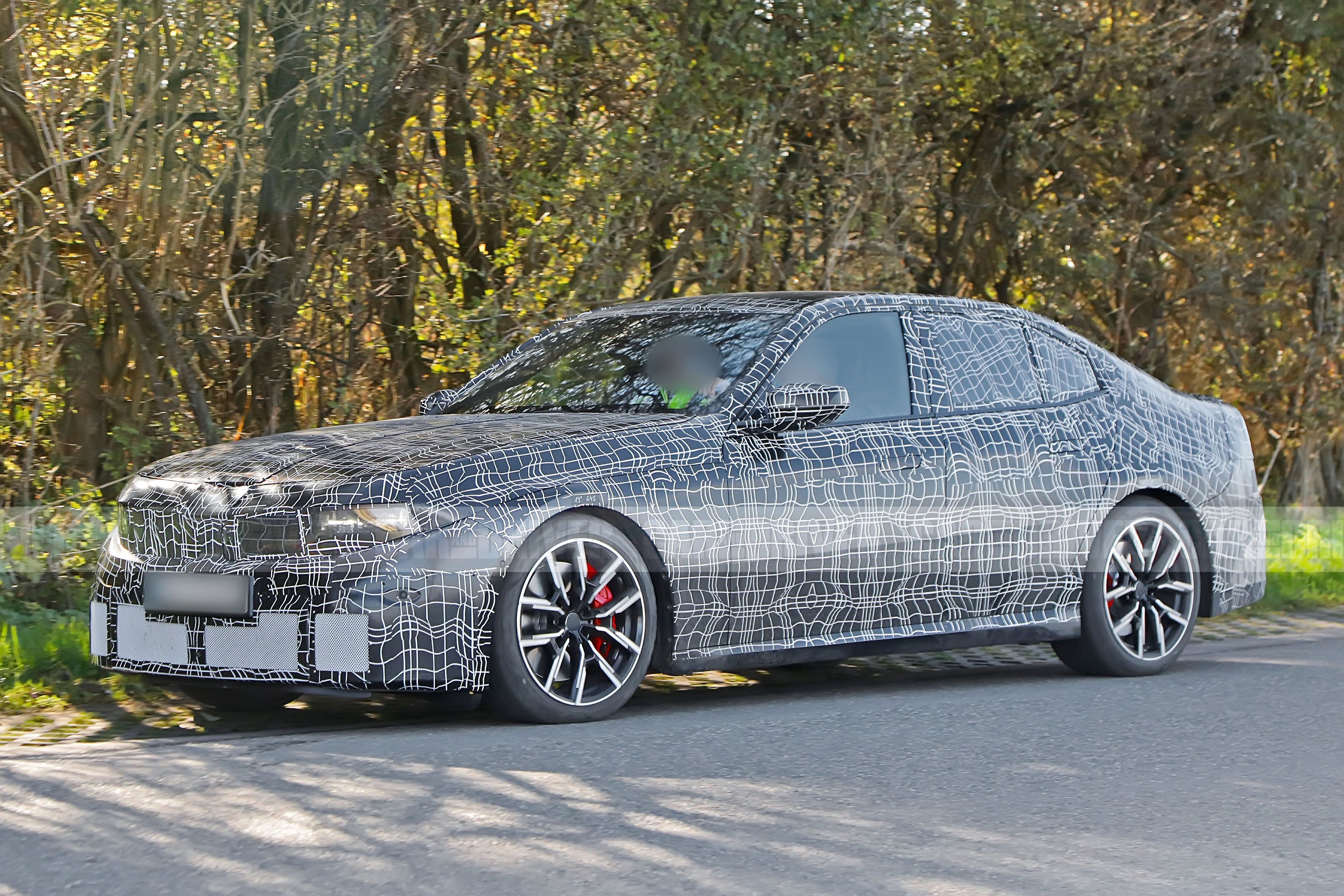
BMW readies a comprehensive redesign of its bread-and-butter sedan for 2027, marking the seventh generation of the 3-Series nameplate that has dominated the compact luxury segment since 1975. The Munich automaker plans a thorough overhaul that extends beyond cosmetic updates, touching engine architecture, platform technology, and infotainment systems.
The current G20 generation, launched in 2019, established BMW's modern design language with aggressive grille proportions and sharp body lines. The next iteration will push that aesthetic further. Spy photography and development reports indicate BMW engineers will refine proportions, likely offering a wider stance and slightly longer wheelbase to improve interior space. The front fascia will evolve the dual-kidney grille treatment, though BMW faces pressure to dial back proportions that drew criticism from traditionalists and competitors alike.
Platform evolution drives the technical story. BMW will employ an updated version of its CLAR architecture, the modular platform underpinning everything from the 3-Series to the 7-Series flagship. This next-generation CLAR platform promises weight reduction through increased use of aluminum and carbon fiber, offsetting the inevitable mass gains from electrification hardware. Engineers target sub-3400-pound curb weights for some gasoline variants.
Powertrain selection reflects the industry's hybrid pivot. The 2027 3-Series will offer turbocharged four-cylinder and six-cylinder engines paired with mild-hybrid systems, with a plug-in hybrid variant returning to the lineup. A fully electric i3 sedan variant remains under consideration, though BMW hasn't confirmed commitment. The 340i and 335i nomenclature will likely return, with outputs ranging from 250 horsepower in base four-cylinder models to 375 horsepower in top-tier six-cylinder versions.
Inside, the cabin undergoes digital transformation. BMW's iDrive 9 infotainment system, debuting on newer 7-Series models, will cascade into the 3-Series. Curved display technology combines instrument cluster and infotainment screen into one sweeping unit. Voice control systems improve, navigation gains real-time traffic integration, and smartphone integration expands.
Driver assistance technology expands across the board. Adaptive cruise control, lane-keeping assistance, and parking automation become standard or near-standard. BMW targets enhanced autonomous driving capabilities, though true Level 3 autonomy remains regulatory dependent.
The 2027 launch timing positions BMW competitively against the redesigned Mercedes-Benz C-Class and Audi A4. Both rivals prepare their own 2026-2027 refreshes, intensifying competition in a segment representing roughly 15 percent of global luxury car sales.
Pricing strategy remains unclear. BMW typically positions the 3-Series $5,000 to $8,000 above comparable Mercedes C-Class equipment, a premium rooted in handling dynamics and perceived brand strength. Electrification costs may compress that gap or reinforce it, depending on production volume and platform economics.
Production begins in late 2026 at Munich and San Diego facilities. North American availability follows in spring 2027. The 3-Series sedan remains BMW's volume anchor, and getting this generation right matters enormously for the brand's profitability and market perception during an accelerating transition to electric vehicles.