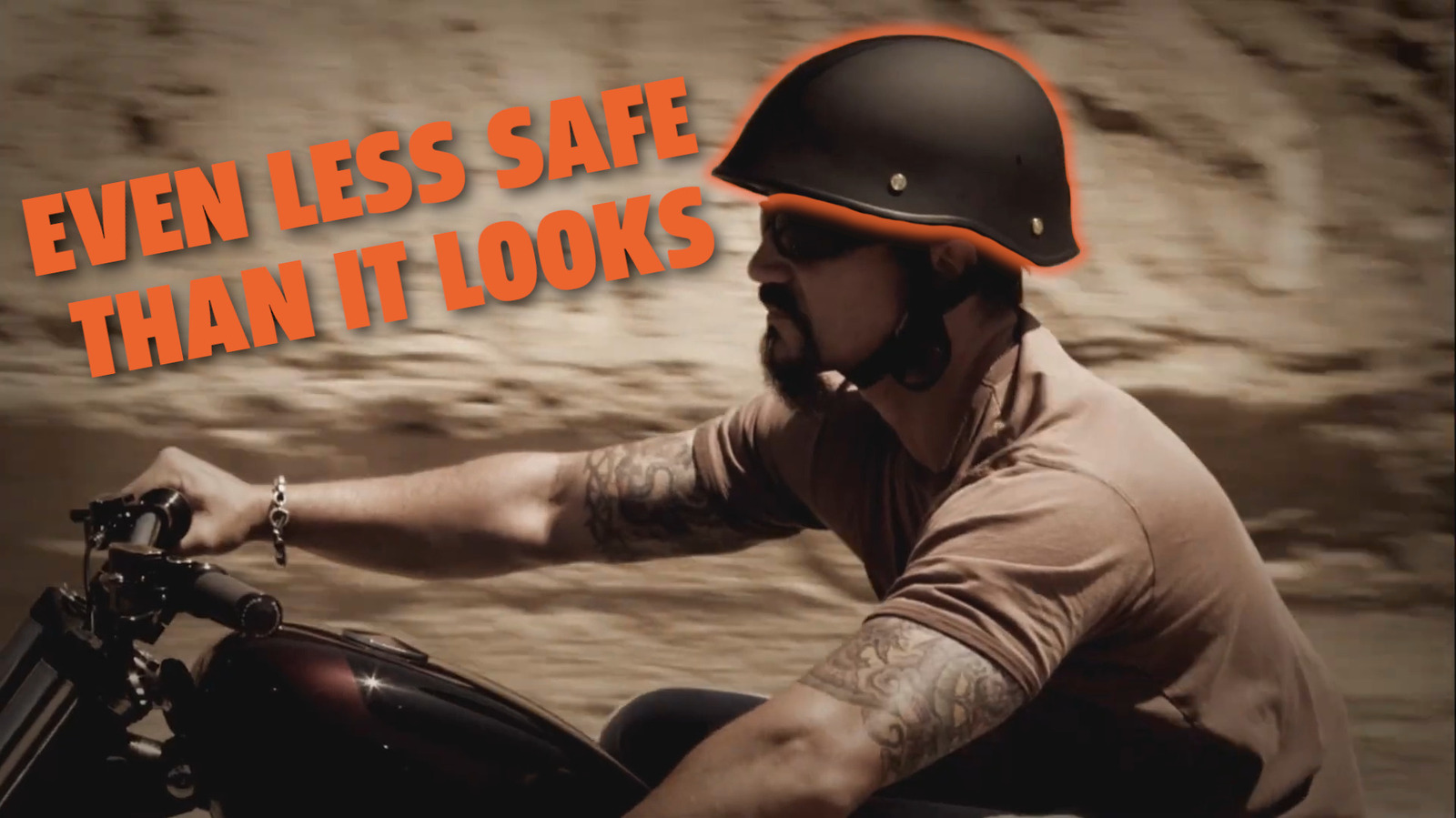
Bell Powersports issued a recall affecting more than 12 months of production for multiple half-helmet models that failed to meet DOT (Department of Transportation) safety standards. The recall covers specific production batches across several helmet lines, revealing a manufacturing defect that compromised structural integrity and impact protection.
The DOT standard, officially FMVSS 218, sets baseline safety requirements for motorcycle helmets sold in the United States. It covers impact absorption, retention system strength, and penetration resistance. The standard has long been criticized by safety advocates as inadequate compared to stricter international certifications like ECE 22.05 used in Europe. The fact that Bell helmets failed to clear even this lenient benchmark underscores a serious quality control failure within the manufacturing process.
Half-helmets, also called open-face helmets, provide less coverage than full-face designs. They expose the face, jaw, and upper head to impact. Riders choosing half-helmets typically prioritize ventilation, visibility, and style over maximum protection. However, those who do purchase them expect the minimal protection offered to function as advertised. A defective half-helmet provides almost no safety benefit whatsoever.
Bell did not immediately specify the exact nature of the manufacturing defect in early statements. Common issues in helmet recalls involve improper foam density in the impact-absorbing liner, inadequate adhesive bonding between shell and liner materials, or structural weaknesses in the retention strap system. Any of these failures renders a helmet unable to absorb crash forces or stay secured to the wearer's head during impact.
Bell instructed owners to stop using affected helmets immediately and contact the company for replacement or refund information. The company maintained that no injuries or accidents linked to the defect had been reported to its customer service department at the time of the recall announcement, though this absence of reported incidents does not diminish the safety risk.
This recall arrives during a period of heightened scrutiny around motorcycle safety equipment. Riders increasingly demand transparency about how helmets perform in real-world crashes, with many consulting independent testing data from organizations like the Motorcycle Safety Foundation and Sharp Helmets rating system. Bell faces competition from manufacturers like Shoei, AGV, and ICON, many of whom voluntarily pursue stricter certifications beyond DOT standards.
For motorcycle riders, the lesson remains straightforward: DOT certification represents a floor, not a ceiling, for helmet safety. Consumers shopping for helmets should research specific models using available crash test data and consider purchasing from manufacturers with established quality control records. Bell's reliance on DOT compliance as its primary assurance has proven insufficient in this case.
Riders affected by the recall should verify their helmet's production date and model number against Bell's published list. The company offered no timeline for when replacement inventory would become available, creating a temporary supply constraint for consumers needing immediate replacements.