# The Story Behind China's Ownership of London's Iconic Black Cab Maker
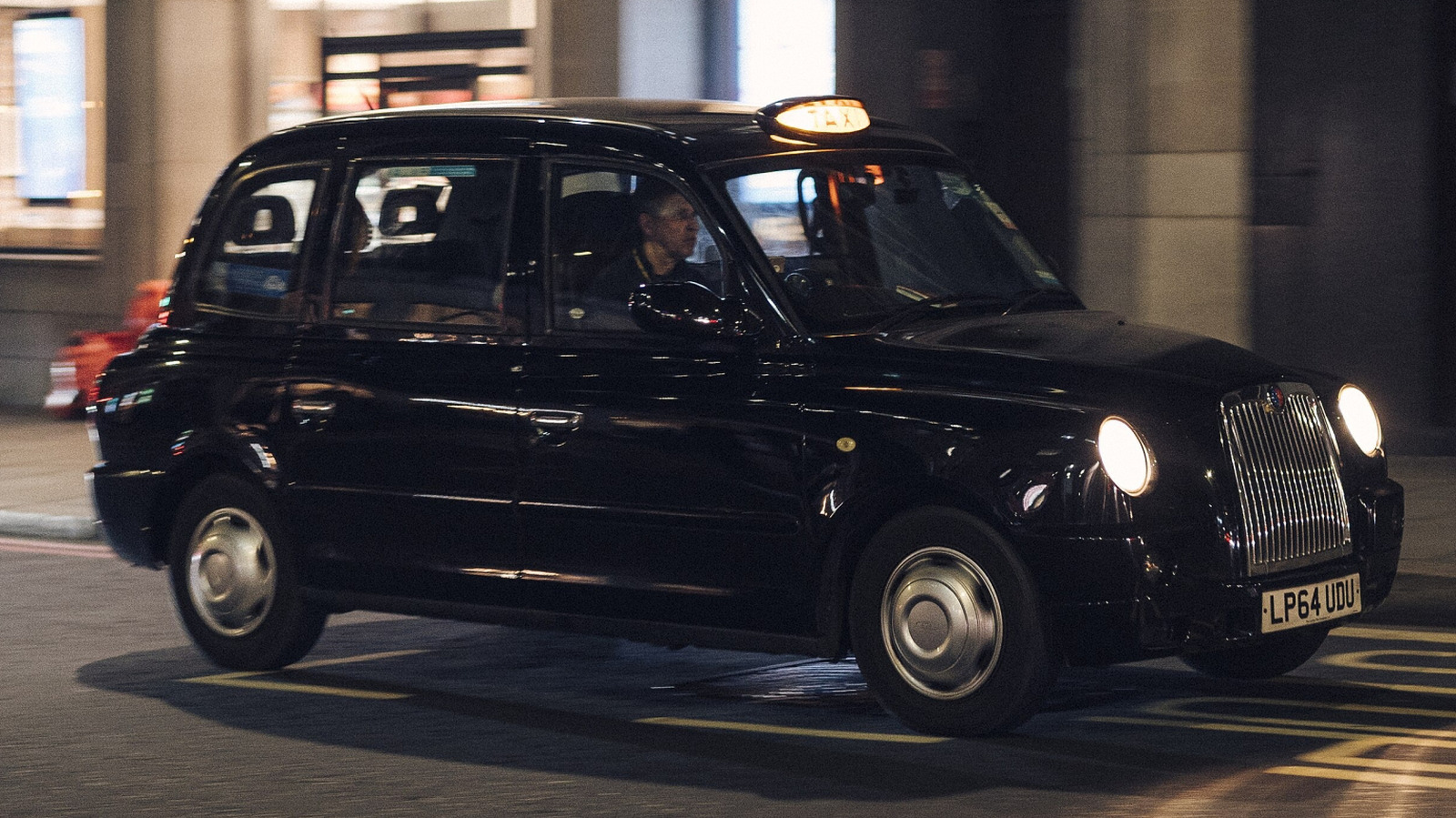
London's black cab, the TX model, remains one of the world's most recognizable vehicles. These boxy, high-roofed taxis still roll off the production line in Coventry, England, representing a piece of British automotive heritage stretching back decades. Yet the company that builds them is now owned by Geely, a Chinese automaker, creating an unusual chapter in the tale of British car manufacturing.
The TX's lineage traces to the classic Hackney carriage designs that dominated London streets for generations. The modern iteration evolved from the FX4, introduced in 1958, which set the standard for London cabs. That vehicle and its successors became objects of national pride, synonymous with Britain itself. Over time, the design remained largely conservative, prioritizing the high roof, roomy interior, and tight turning radius that London's narrow streets and traffic regulations demanded.
The manufacturer behind these cabs, LEVC (London Electric Vehicle Company), was acquired by Geely in 2013. The Chinese company, which also owns Sweden's Volvo and controls a stake in Daimler, saw value in the historic brand and its specialized tooling. Rather than relocate production to Asia, Geely maintained the Coventry factory, keeping jobs and manufacturing expertise in the UK while gaining access to London's cab market and the company's engineering pedigree.
This ownership structure reflects broader trends in global automotive consolidation. Chinese companies have aggressively pursued acquisitions of established Western brands over the past two decades, seeking technology, distribution networks, and brand equity. Geely's strategy differs from some competitors. The company invests in its holdings rather than hollowing them out. LEVC continued developing new versions of the TX, and in 2018 introduced an electric variant, the TX eléctrico, positioning the iconic cab for the EV transition.
London's regulatory environment demands cabs meet strict emissions standards. The capital's push toward zero-emission transport created both challenge and opportunity for LEVC. An electric TX addresses environmental mandates while leveraging the brand's heritage. The electric model takes longer to charge than conventional diesel predecessors, but it operates silently and produces zero tailpipe emissions, qualities that matter in dense urban environments.
The Coventry factory remains small compared to mass-market producers. London's black cab represents a niche product, sold primarily to fleets serving London and a handful of other cities worldwide. Production numbers stay modest, making economies of scale difficult. Yet the specialization works. The TX's unique requirements, regulatory compliance needs, and right-hand-drive configuration mean competitors struggle to enter the market.
Geely's ownership has proven pragmatic for LEVC. The Chinese parent provides capital for development and manufacturing improvements while respecting the brand's identity. This approach contrasts with cases where foreign acquirers stripped away heritage or shifted production entirely. The Coventry factory still builds the same vehicle that carries tourists and business travelers through London's streets, though now under Chinese ownership.
For buyers and drivers, this arrangement matters little. They care about reliability, comfort, and increasingly, environmental performance. The TX delivers on these fronts, electric model available. The ownership structure tells a story about modern automotive industry consolidation, where heritage brands operate under new corporate parents from across the globe. London's black cab endures, just as it has for generations, only now backed by Chinese capital and engineering resources.