# How a Dealership Sit-In Shaped Ford's Electric Pickup Legacy
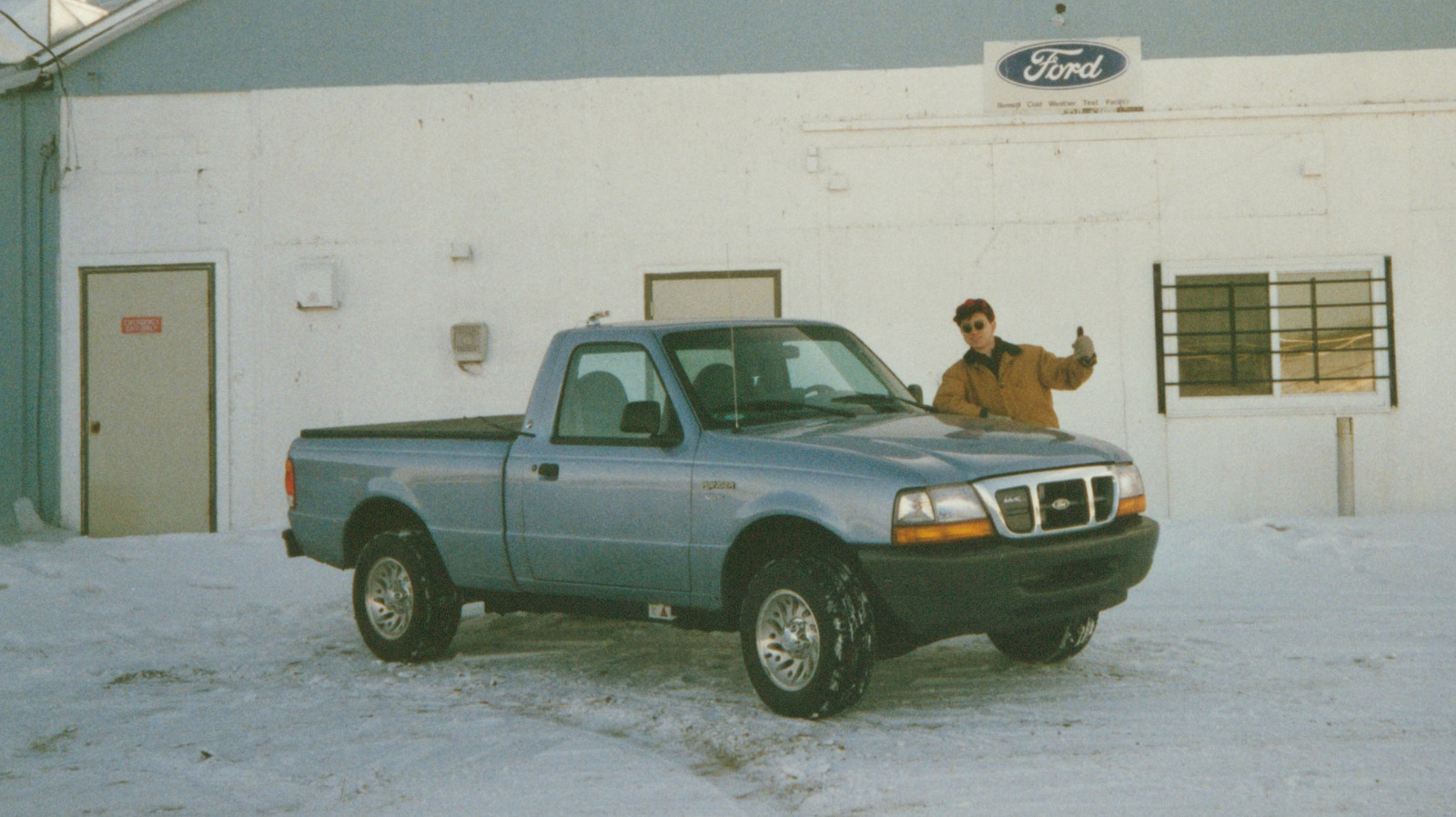
Ford's first electric pickup truck never made it to mass production, but its near-death experience reveals something telling about how legacy automakers navigate the EV transition. A customer sit-in at a California dealership became the unlikely catalyst that kept the battery-powered truck alive in some form, even as Ford ultimately shelved the original project.
The story centers on Ford's early electric pickup ambitions, which faced headwinds from multiple directions. Dealers worried about service revenue loss. The company struggled with battery supply chains. Skeptical Ford loyalists questioned whether an EV truck could deliver the towing capacity and range owners demanded. Rather than quietly abandon the vehicle, one California dealership's customer base staged a sit-in, essentially protesting Ford's retreat from electric truck development.
This grassroots pushback carried real weight. It signaled to Ford leadership that genuine demand existed beyond Tesla's Cybertruck hype. The sit-in demonstrated that early adopters and environmentally conscious truck buyers formed a constituency worth fighting for, even if the numbers looked small compared to F-150 diesel sales. Ford took notice.
That customer resistance directly influenced the company's strategy going forward. Instead of killing EV truck development entirely, Ford eventually committed resources to what would become the F-150 Lightning. The Lightning emerged as Ford's pragmatic answer to an EV truck market that was theoretically tiny but politically and culturally significant. It proved that American customers would buy electric trucks if they offered genuine capability and reasonable pricing.
The history matters because it shows how thin the line sits between commitment and cancellation in automotive development. Tesla faced zero dealership resistance to the Cybertruck because it had no dealers. Legacy automakers operate within a dealer network that fundamentally resists disruption. Dealers profit from service work on combustion engines. They own expensive real estate based on traditional business models. When Ford proposed an electric truck that threatened both revenue streams and inventory management, dealerships mobilized against it.
That California sit-in represented dealership customers rebelling against their own dealers' self-interest. It proved the market was willing to push back against institutional conservatism. Ford couldn't ignore the optics of customers literally occupying dealership space to demand access to EV technology.
By the time Ford revealed the F-150 Lightning, the company had learned critical lessons. It built the truck using a proven platform. It targeted early adopters willing to pay premium prices for first-mover status. It ensured the truck could tow and haul at levels comparable to gas-powered F-150s. It created a separate dealer certification program so dealers could actually profit from service.
The Ford Fathom, the modern electric SUV the headline references, arrives in a vastly different landscape. The market has evolved. Battery costs have dropped. Competition has intensified from Rivian, Tesla, and traditional automakers. Ford now operates with more confidence in EV demand because earlier protests and sit-ins proved customers genuinely wanted these vehicles.
That dealership occupation in California didn't save the original truck, but it saved the concept. It converted Ford's EV truck ambitions from a dead project into a strategic priority. Sometimes automotive history turns on dramatic market forces or technological breakthroughs. Sometimes it turns on customers literally sitting down and refusing to leave until the company listens.