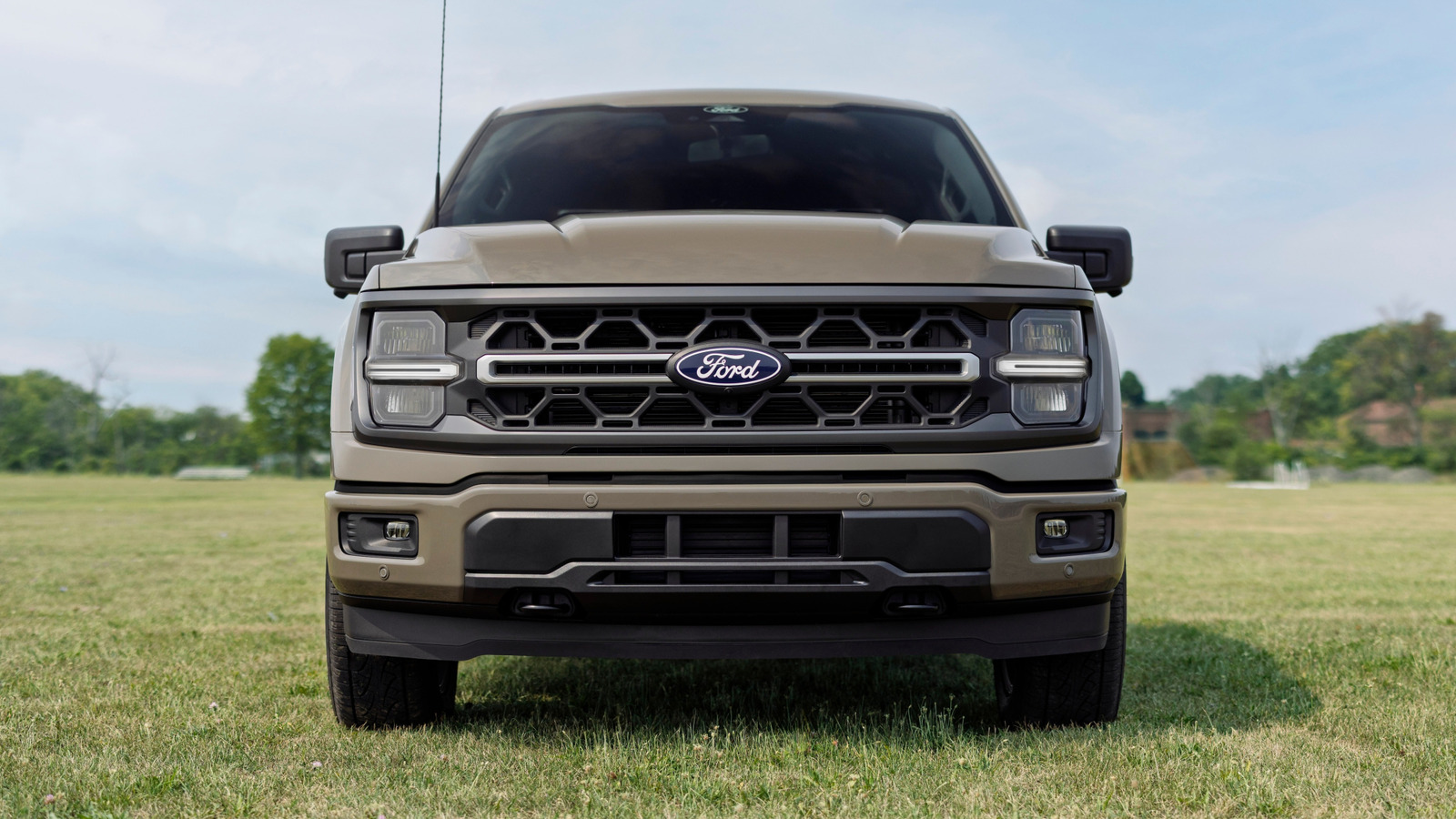
Ford is betting on V8 power for its next-generation F-150, expanding gasoline engine availability just as the industry accelerates toward electrification. The refreshed 2027 F-150 lineup adds the 5.0-liter naturally aspirated V8 to more trim levels, a move that signals Ford's confidence in internal combustion demand despite volatile fuel prices and tightening emissions regulations.
The 5.0-liter V8 previously occupied a narrow slice of the F-150 lineup, reserved mostly for higher-end configurations. Ford's decision to broaden availability means more buyers can access the engine across various trims, making V8 power more accessible without stepping into premium pricing tiers. This represents a direct counter to the industry trend of downsizing, turbocharging, and electrification that competitors like General Motors and Toyota have pursued.
The timing raises eyebrows. Gasoline prices exceed four dollars per gallon in many U.S. markets, and fuel economy matters when fill-ups cost $80 or more. The 5.0-liter generates respectable horsepower and torque, but it trades efficiency for raw power. A naturally aspirated V8 cannot match the fuel economy of Ford's turbocharged EcoBoost engines or hybrid options. Yet Ford sees market demand that justifies the engineering and production commitment.
Ford's truck strategy reflects deeper market realities. The F-150 dominates pickup sales in America, and pickup owners prioritize towing capacity, payload, and performance over fuel economy. Many buyers finance truck purchases based on capability, not running costs. The V8 delivers superior engine feel and responsiveness compared to turbo four and six-cylinder alternatives, attributes that resonate with enthusiasts and fleet operators alike.
Pricing adjustments across the 2027 lineup will determine how aggressively Ford markets V8 availability. If the company prices V8 models competitively relative to turbocharged competitors, it could attract cost-conscious buyers who value mechanical simplicity and traditional power delivery. If pricing climbs sharply, the V8 remains a boutique option for premium buyers.
The 2027 refresh arrives as Ford manages the transition toward electric trucks like the F-150 Lightning. The company isn't abandoning internal combustion but rather optimizing the gasoline lineup to maximize profit while demand persists. Hybrid F-150 models continue alongside conventional engines, offering buyers efficiency without full electrification. This portfolio approach hedges Ford's bets across powertrain preferences.
Competition shapes Ford's V8 strategy as well. General Motors offers the 6.2-liter V8 in Silverado HD models, while Ram provides V8 options across its 1500 and 2500 lineups. Expanding V8 availability keeps Ford competitive in the performance and capability segments where buyers expect gasoline power.
The F-150 remains America's best-selling vehicle for over four decades. Ford's commitment to V8 availability signals that the company sees no reason to surrender that dominance, even as electrification accelerates elsewhere. The refreshed model year maintains a traditional powertrain portfolio while gradually introducing electrified alternatives. This strategy acknowledges that the American pickup market runs deeper than efficiency metrics and regulatory compliance. Buyers want choices, performance, and proven technology, and Ford delivers exactly that.