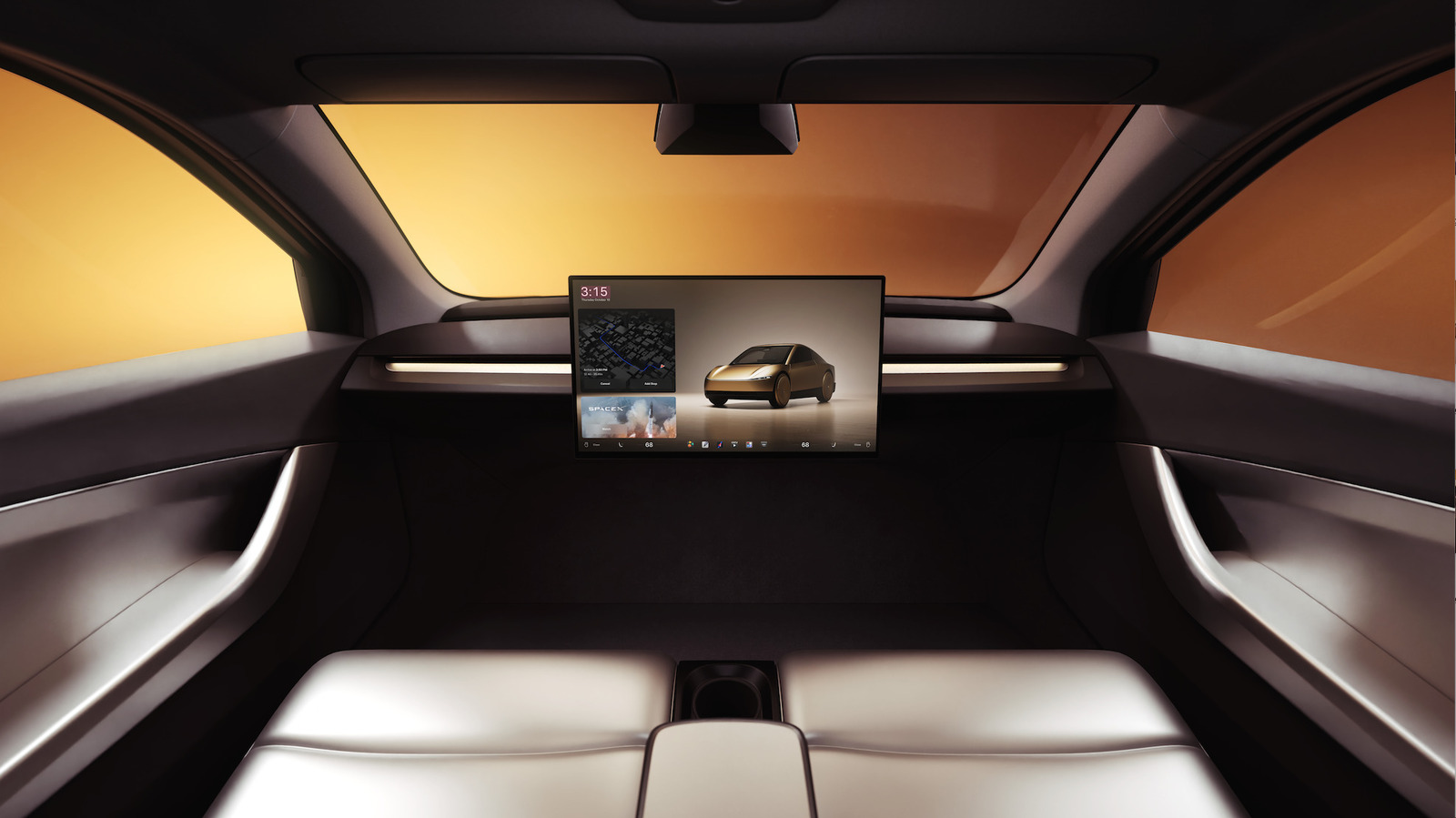
Tesla's touchscreen-only interface in the Cybercab creates a genuine operational problem for firefighters and emergency responders. The issue centers on a fundamental design choice that removes physical buttons entirely, forcing all vehicle controls through a central display. First responders operate under time pressure and in conditions that make touchscreen interaction unreliable or impossible.
Gloved hands represent the most obvious problem. Firefighters wear heavy protective gloves during emergency response. Touchscreens require bare skin or conductive materials to register input. Thick leather or rubber gloves simply do not work with capacitive touch technology. This forces responders to remove gloves, costing precious seconds in life-or-death situations and exposing hands to hazardous environments.
Sweaty and dirty hands compound the issue. Emergency scenes involve smoke, water, blood, and other contaminants. Moisture and grime degrade touchscreen responsiveness. A screen covered in soot or water may become unresponsive entirely. Physically pressing buttons works regardless of hand condition. Tesla's design creates a single point of failure with no backup.
Vehicle damage itself creates another layer of risk. A Cybercab involved in an accident may suffer cracked or non-functional glass. A compromised touchscreen leaves first responders unable to access door locks, trunk releases, or other critical functions needed to extract occupants or access the vehicle's interior. Traditional button layouts provide redundancy. They continue functioning even when surrounding panels are damaged.
This problem extends beyond fire response. Emergency medical technicians, police, and rescue workers all wear gloves and operate in messy conditions. The Cybercab's interface essentially locks them out of vehicle control during the moments they most need access.
Tesla chose the touchscreen approach to simplify manufacturing, reduce costs, and create a minimalist cabin aesthetic. These goals ignore the operational reality of emergency services. The company designed for ideal conditions, not the worst-case scenarios that first responders face every shift.
The automotive industry has generally moved toward hybrid control schemes. Physical buttons handle critical functions like window operation, door locks, and climate. Touchscreens supplement these controls with secondary features like entertainment and navigation. This approach balances modern technology with functional reliability.
Other manufacturers designing autonomous or semi-autonomous vehicles have recognized this issue. They include physical emergency controls specifically because regulators and safety officials demand redundancy. The National Highway Traffic Safety Administration has not yet mandated specific controls for autonomous taxis, but this Cybercab incident will likely influence future rulemaking.
Tesla faces a choice. The company can engineer physical buttons or capacitive buttons that work through gloves. It can redesign the interface to include voice commands as a primary control method. Or it can defend the current system and accept that first responders cannot reliably operate the vehicle during emergencies. Each path carries different costs and timeline implications.
The Cybercab represents Tesla's vision for the future of transportation. That vision collides with the practical needs of the people who respond when vehicles fail. Solving this problem before wider deployment makes both engineering and humanitarian sense. First responders deserve tools that function reliably under real-world conditions, not just in marketing videos.