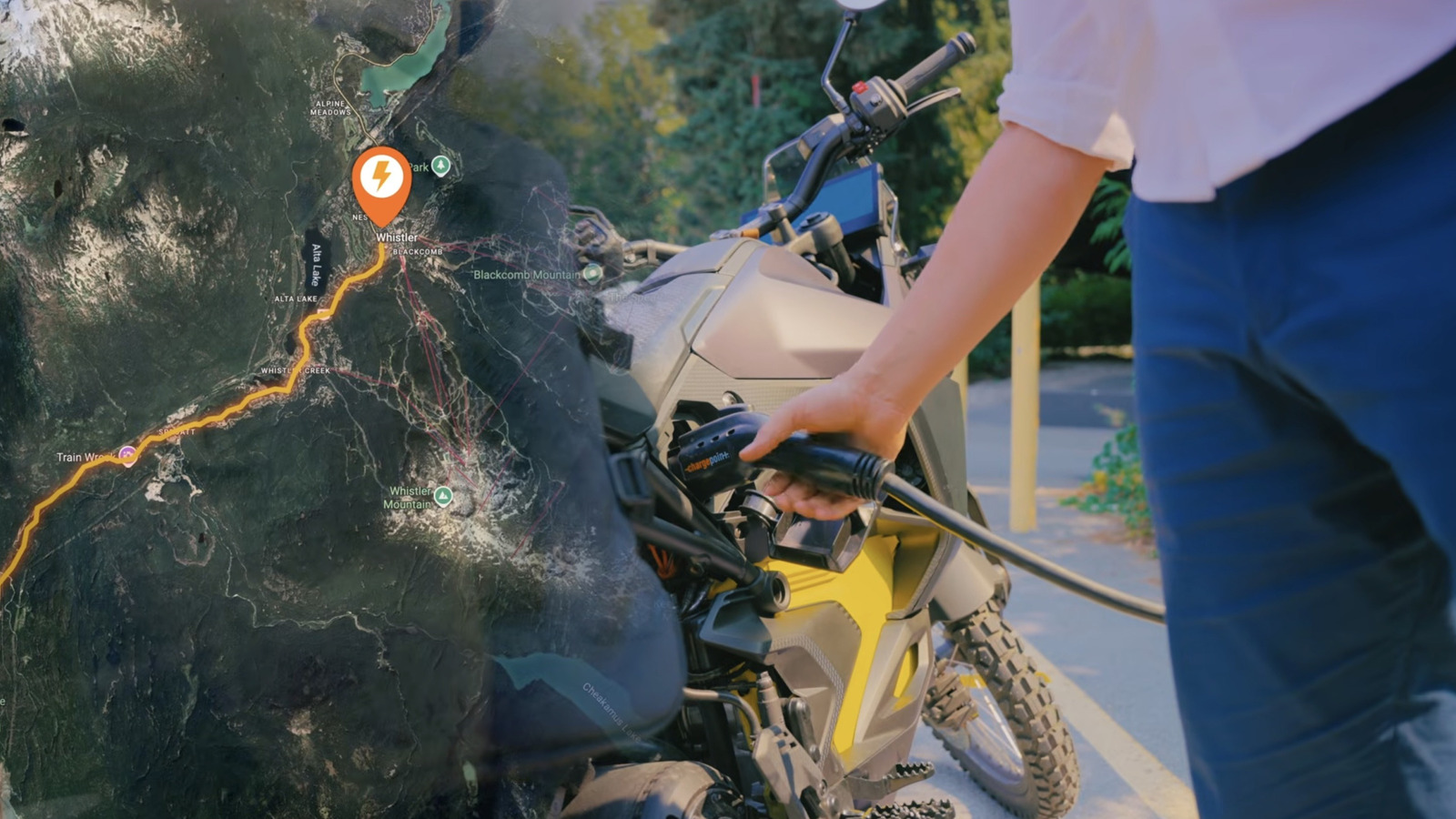
FortNine, the popular YouTube channel and Canadian motorcycle retailer, argues that electric motorcycles' long charging times and limited range represent not a dealbreaker but an advantage for riders willing to embrace a different travel philosophy.
The commentary stems from the reality that current EV motorcycles, particularly models with sub-100-mile range capabilities, require substantially longer charging periods than gasoline refueling. Where a conventional sport bike fills its tank in seconds, electric models need hours to reach full capacity even at fast-charging stations. This constraint forces riders to slow down, stop frequently, and interact with their surroundings in ways gasoline travel discourages.
FortNine's take inverts the typical criticism. Rather than framing extended charging as a limitation that makes road trips impractical, the channel positions it as an opportunity. Long charging windows become built-in rest periods. Riders discover local restaurants, shops, and communities they'd otherwise miss while rushing between fuel stops. A rider with a 60-mile or 80-mile electric motorcycle range must plan differently, map charging infrastructure, and accept that a 400-mile journey becomes a two-day adventure instead of a six-hour sprint.
This philosophy directly challenges how motorcyclists traditionally approach travel. The industry has long celebrated speed, range, and continuous momentum. Bigger tanks, faster refueling, and high-horsepower engines define the genre. Electric motorcycles invert those priorities entirely. The Harley-Davidson LiveWire, for example, offers around 140 miles of real-world range depending on riding conditions and temperature. Zero Motorcycles' SR/F tops out around 150 miles under optimal circumstances.
The argument carries weight in specific contexts. Weekend warriors riding locally or through scenic regions can recharge during lunch stops or overnight stays without functional penalty. Continental travel plans, delivery jobs, or commutes covering 200-plus miles daily remain problematic. Range anxiety persists as the primary barrier keeping EV motorcycles from mass adoption, particularly among riders accustomed to gasoline bikes' freedom.
Market data supports the niche positioning. EV motorcycle sales remain fractional compared to traditional powertrains. Harley-Davidson's LiveWire division, the brand's electric motorcycle arm, sells modestly despite Harley's massive brand equity. Zero Motorcycles, the category's sales leader in the United States, commands less than 2 percent of the overall motorcycle market. Most buyers still prioritize traditional gasoline bikes.
However, FortNine's perspective reflects a genuine shift in how some manufacturers and enthusiasts view electrified two-wheelers. Rather than competing head-to-head with gasoline motorcycles on range and speed, companies increasingly position electric bikes as category-defining machines serving distinct use cases. Commuters, short-distance recreational riders, and urban enthusiasts represent viable customer segments unconcerned with 300-mile range.
The charging-as-feature argument also gains credibility as battery technology improves. Future models with 200-plus-mile ranges and 30-minute rapid charging become genuinely competitive for moderate road trips. At that threshold, electric bikes approach functional parity with gasoline options for most real-world riding, though pure speed demons will always prefer conventional power.
FortNine's framing ultimately signals marketing maturity in the EV motorcycle space. Rather than defensive claims about emerging technology, the industry now leans into lifestyle positioning. An electric motorcycle demands intention, planning, and engagement with the riding experience itself. That appeals to a specific rider mentality regardless of powertrain preference.