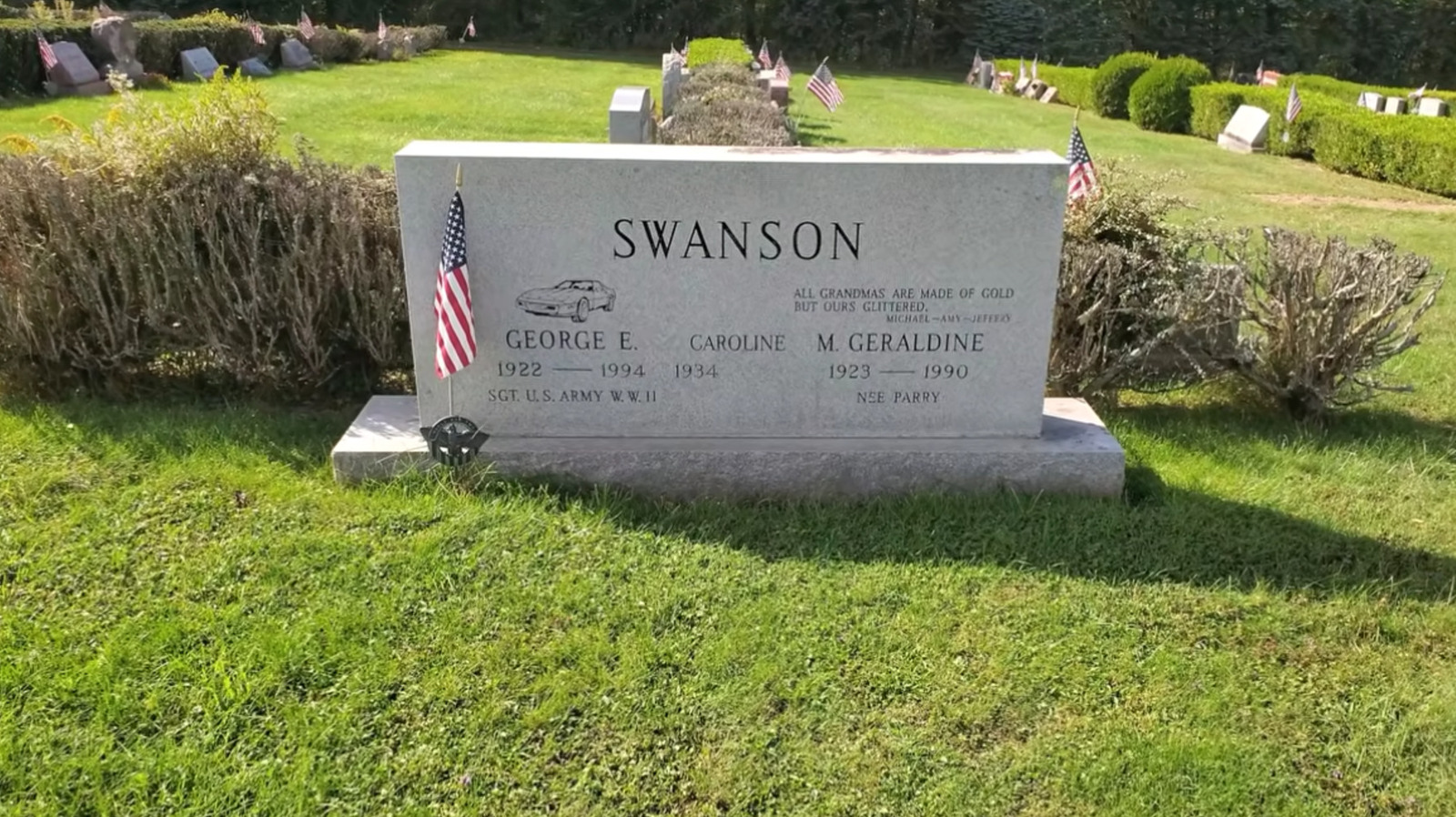
# A Final Ride: Man Buried Inside His Chevrolet Corvette
A Tennessee man's last wish became reality when cemetery workers used a crane to lower his Chevrolet Corvette into the ground, turning his beloved sports car into an unconventional final resting place. The burial required multiple cemetery plots to accommodate the vehicle's dimensions, transforming what would normally be a straightforward interment into an engineering challenge that demanded specialized equipment and careful coordination.
The logistics of burying someone inside a vehicle extend beyond simple nostalgia or eccentric preference. Estate planners, funeral directors, and cemetery administrators face genuine practical questions when clients make such requests. Plot allocation becomes complicated when a standard grave cannot contain the object. A Corvette, depending on generation, measures roughly 15 feet long and over 4 feet wide. Standard cemetery plots typically measure 3 feet by 8 feet. Accommodating a full vehicle requires consolidating multiple plots, a decision that involves financial considerations, regulatory compliance, and space management.
This Tennessee case reflects a broader trend among enthusiasts who view their cars as extensions of identity. The Chevrolet Corvette, America's iconic two-seater sports car, carries particularly strong emotional weight for owners. Production began in 1953, and for generations, owning a Corvette represented achievement, passion, and freedom. Corvette owners form tight communities built around model years, engine configurations, and racing heritage. For some, that connection transcends mortality.
The burial itself required crane operators experienced in unusual load-bearing situations. Cemetery equipment operators must understand weight distribution, soil stability, and the structural integrity of both the vehicle and the grave structure. The vehicle must be positioned carefully to prevent collapse or shifting that could damage surrounding plots or compromise the grave's integrity over time. These technical requirements push beyond standard burial protocols and demand specialized expertise.
State regulations vary on vehicle burials. Some jurisdictions prohibit the practice entirely, citing environmental concerns about fuel, oil, and battery degradation contaminating groundwater. Other states allow burials with specific restrictions, such as requirements that all fluids be drained from the vehicle before interment. Environmental impact assessments become necessary in regions with strict groundwater protection standards.
The financial implications are substantial. Multiple cemetery plots cost thousands of dollars depending on location. Adding crane services, the labor required for specialized burial protocols, and potential regulatory compliance work can push total costs into tens of thousands. This pricing puts such burials beyond reach for most families, making them a luxury option available only to those with significant resources.
Funeral homes increasingly encounter requests for non-traditional burials. Motorcycle burials, boat interments, and even aircraft fuselage burials have occurred across North America. These requests reflect how people want their final arrangements to reflect their life's passions and values. The funeral industry has adapted, developing protocols and partnerships with specialists to fulfill these wishes.
The Corvette burial raises questions about land use, environmental stewardship, and the economics of memorialization. As cremation rates climb and traditional burials decline, cemeteries face pressure to adapt and innovate. Some embrace unconventional burials as revenue opportunities. Others resist, citing historical practices and maintenance concerns.
For this Tennessee enthusiast, his Corvette became more than transportation. It became legacy, monument, and final statement combined into one burial.