# Tesla Cybercab Faces Regulatory Headwinds Over Driverless Architecture
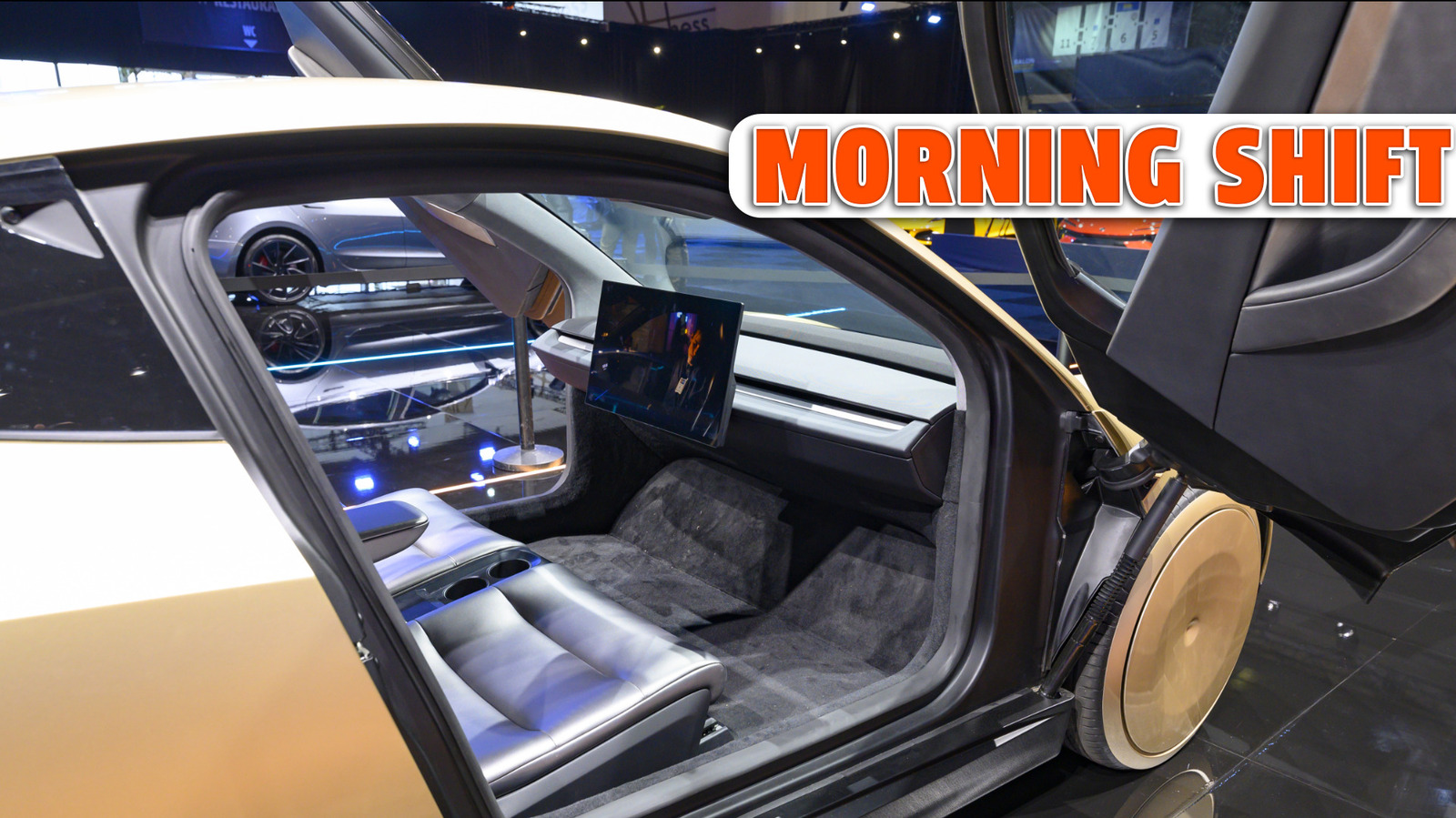
Tesla's highly publicized Cybercab initiative has run into immediate skepticism from regulatory bodies worldwide. The vehicle's elimination of traditional steering wheels and pedals, core to Tesla's autonomous vision, represents precisely the kind of design departure that puts regulators in a difficult position. Approval for truly driverless vehicles requires both technical proof and legal frameworks that most jurisdictions haven't finalized.
The Cybercab exists in a regulatory gray zone. Tesla designed it exclusively for autonomous operation, leaving no manual controls for human intervention. This creates liability questions regulators struggle to answer. When something goes wrong, who bears responsibility? The manufacturer? The software? The owner? Current automotive law in most territories assumes a licensed driver sits in control. The Cybercab upends that assumption entirely.
European authorities have expressed particular concern. The design violates existing safety standards that mandate steering wheels and brake pedals in all passenger vehicles. North American regulators move faster on autonomous approval, but even there, states like California require redundant safety systems and extensive testing data before allowing deployment. Tesla's aggressive timeline for Cybercab deployment clashes with the methodical pace of regulatory review.
Industry observers note the timing cuts both ways. Tesla pushed the Cybercab design partly to accelerate regulatory acceptance, banking on regulators' desire to appear innovation-friendly. The stripped-down cabin also reduces manufacturing costs and weight, improving operating economics for a robo-taxi fleet. Yet regulators see through this calculation. They refuse to rubber-stamp designs simply because manufacturers promise eventual safety. Waymo and Cruise have spent years building relationships with regulators, sharing data transparently. Tesla's historically confrontational approach toward oversight hasn't built the same trust.
Beyond Tesla's immediate challenge, the auto industry watches closely. McLaren confirmed plans for a UK-built SUV, betting that premium buyers want boutique manufacturing and bespoke capability. Separately, Nissan announced its own UK SUV program, pursuing a similar market. These parallel moves reflect post-Brexit positioning, with manufacturers hedging against supply chain disruption by building locally where they sell locally. Both projects signal confidence in UK automotive capability and labor costs, though neither project carries the regulatory complexity of autonomous vehicles.
Meanwhile, Bosch workers escalated appeals to the European Union regarding job security as the company transitions toward electric powertrains and autonomous systems. Bosch suppliers face existential pressure. Traditional fuel injection systems become obsolete under electrification. Autonomous vehicle platforms require fewer mechanical systems overall. Workers lobby for retraining programs and transition support, recognizing that regulatory approval of self-driving cars accelerates these job losses. EU regulators increasingly factor labor impact into industrial policy decisions.
The Cybercab debate encapsulates an automotive inflection point. Regulators must balance Tesla's innovation ambitions against genuine safety unknowns and established legal frameworks. Meanwhile, legacy suppliers face disruption from two directions simultaneously: electrification eliminates traditional powerplant components, while autonomy reduces the number of controllable mechanical systems required per vehicle. UK manufacturing investments and EU labor advocacy represent industry adaptation to these pressures.
Tesla's next move involves detailed regulatory submissions proving the Cybercab's safety architecture meets or exceeds existing standards. This technical battle unfolds separately from public posturing. Regulators won't budge on driverless approval without evidence, and Tesla's track record on regulatory cooperation gives them little margin for overstatement.