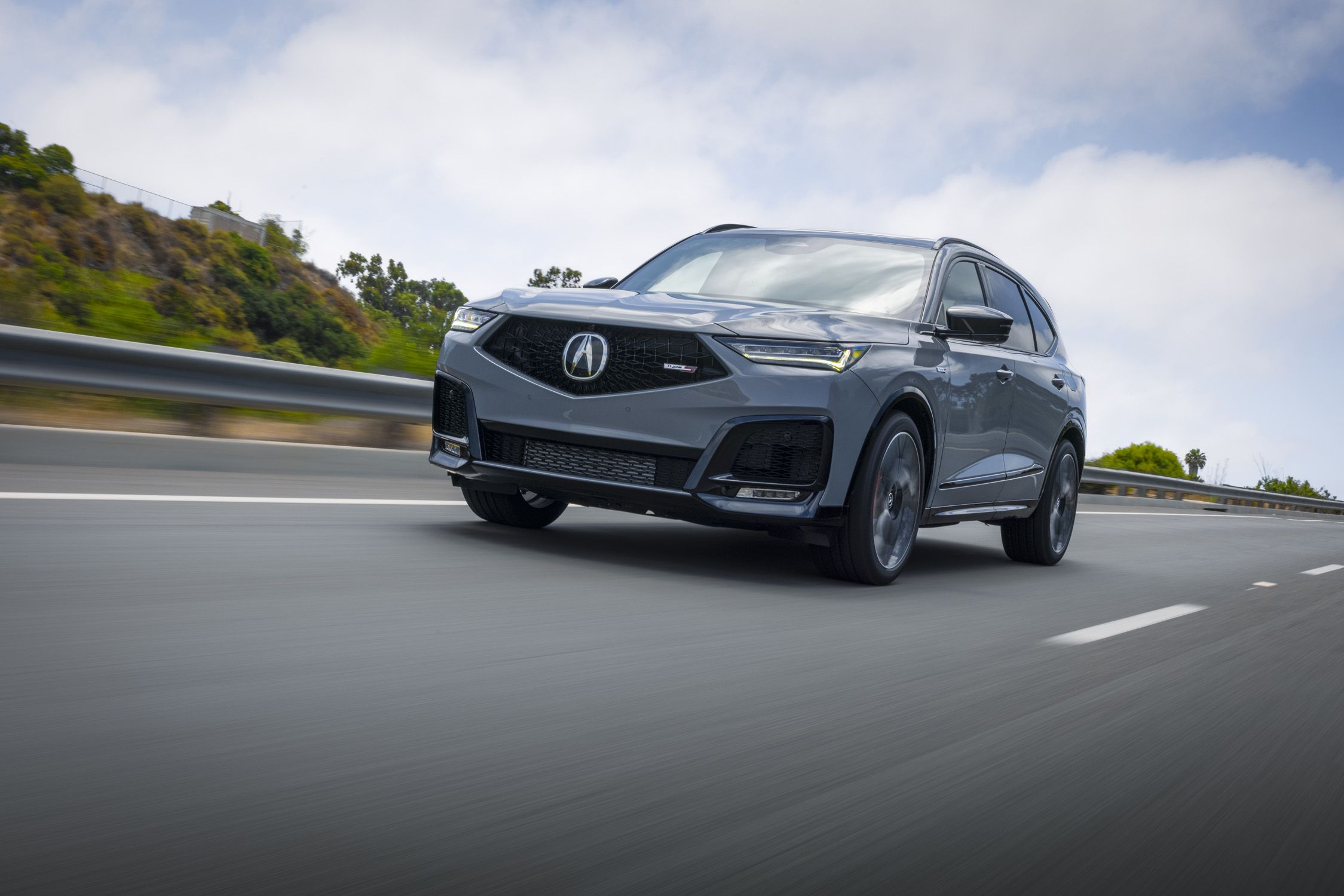
Acura will discontinue the MDX Type S performance variant after the 2026 model year, marking the end of a high-performance nameplate that carried significant brand weight in Honda's luxury division. The company plans to redirect Type S styling and features into the standard MDX lineup starting in 2027, effectively merging performance identity with the core model rather than maintaining it as a separate, premium tier.
The Type S badge carries deep heritage within Acura's portfolio. Originally appearing on the TSX and TL sedans during the 2000s, Type S denotes vehicles tuned for driver engagement, equipped with upgraded suspensions, more aggressive styling, and enhanced powertrains. The MDX Type S, introduced for the 2024 model year, represented one of Acura's few three-row performance vehicles, offering a supercharged 3.5-liter V-6 producing 355 horsepower paired with Super Handling All-Wheel Drive (SH-AWD). It attracted buyers willing to spend significantly more for a family SUV with sport-focused credentials.
The decision reflects broader industry consolidation in the three-row luxury SUV segment. Competitors including BMW's X5 M50i and Mercedes-AMG GLE53 command premium pricing for performance variants, but demand data apparently convinced Acura that maintaining a separately badged Type S model no longer justified the investment. Luxury brands increasingly leverage styling packages, suspension options, and powertrain choices within a single nameplate rather than creating distinct trim hierarchies.
Acura's pivot matters because it signals the company's strategy shift toward integrated performance rather than isolated performance variants. By applying Type S features to the base V-6 MDX in 2027, the brand preserves its performance DNA while simplifying the product lineup and production complexity. Customers won't lose access to sportier styling, suspension tuning, or premium features, but they'll purchase them as part of a redesigned MDX package rather than as a distinct sub-model.
Details on the 2027 MDX remain scarce. Acura hasn't confirmed powertrain specifics, whether the supercharged engine continues, or how SH-AWD integrates into the new structure. The company hasn't disclosed pricing strategy, either, leaving questions about whether consolidating Type S features into the base model will raise entry prices or maintain current positioning.
The luxury SUV market continues rewarding brands that balance practicality with aspiration. Honda and Acura recognize this dynamic. Rather than fighting for performance-focused three-row buyers with a dedicated Type S badge, Acura opts to infuse performance character throughout the model. This approach mirrors Mercedes-Benz's recent strategy with the GLE, where AMG styling and tuning permeate multiple trim levels without requiring separate nameplate segregation.
For dealers and existing owners, the transition presents mixed implications. Used MDX Type S models will likely command collector interest as the last dedicated performance variant. Dealerships lose clear performance positioning but gain flexibility in selling sportier styling to a broader customer base. Future buyers will access Type S DNA without committing to a premium performance-specific purchase.
Acura faces competitive pressure from Infiniti's QX80 and Lexus's LX, both emphasizing luxury amenities and family-friendly features over performance thrills. The decision to fold Type S into the mainstream MDX reflects that reality. Performance credibility matters, but three-row family SUV buyers prioritize versatility, comfort, and technology integration. Acura apparently concluded that performance styling enhances the base product more effectively than maintaining a separate, expensive variant.