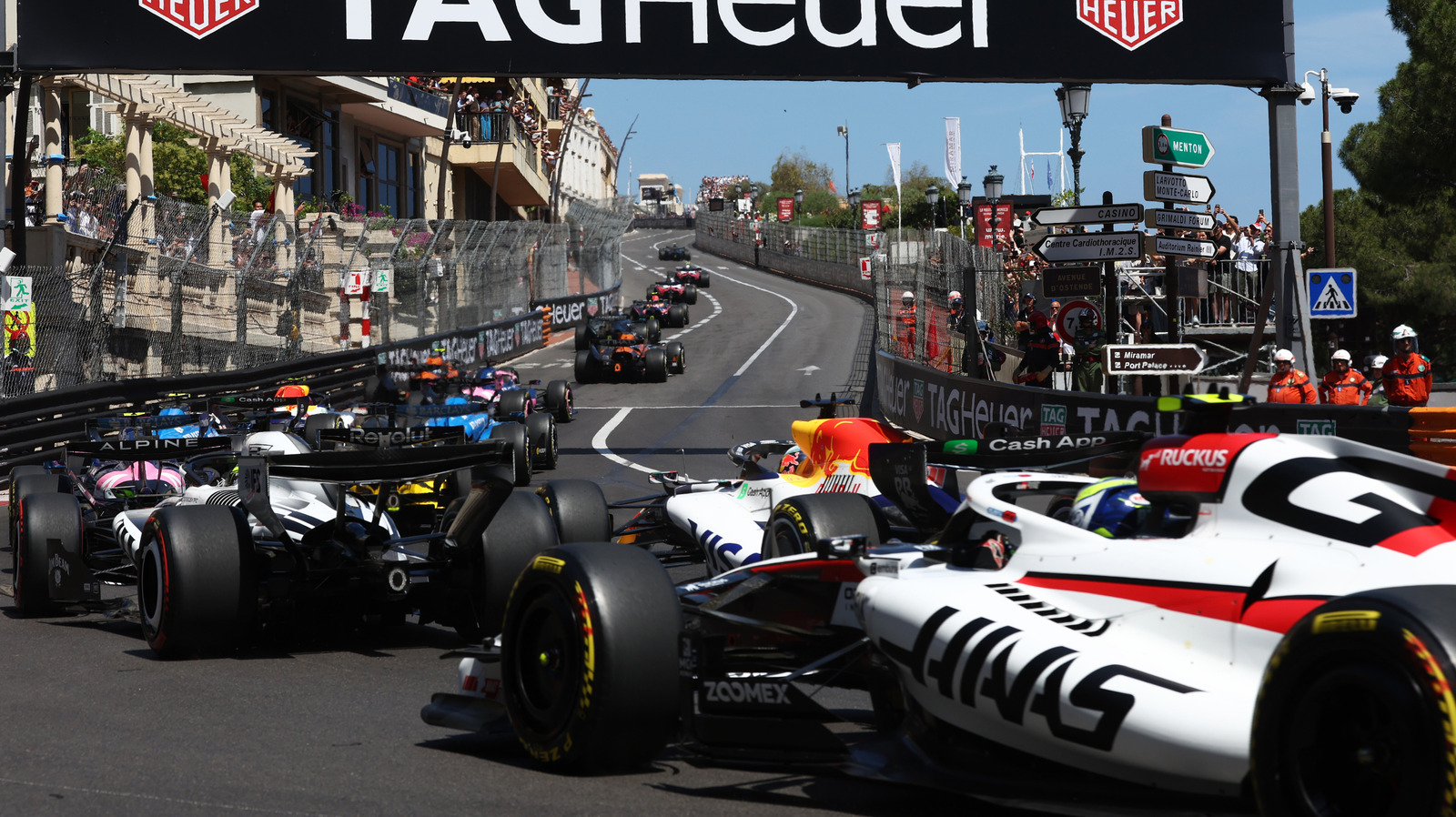
Formula 1 officially expands its sprint race format to 10 rounds across the 2027 season, with the glamorous Monaco Grand Prix becoming an unlikely addition to the packed schedule. The decision marks the series' most aggressive push yet to maximize entertainment value and broadcast revenue while testing driver endurance across a growing calendar.
Monaco joins established sprint venues like Miami and Austin on the expanded roster. Adding a sprint to racing's most prestigious street circuit creates immediate operational complexity. The narrow confines of the Principality leave minimal margin for error during qualifying and main race runs, let alone compressed sprint procedures. Setup changes between sessions become critical on a track where single-meter positioning differences determine lap times. Crash risk intensifies when drivers push harder in shorter, higher-stakes contests where points distribution remains steep.
The sprint expansion reflects F1's strategic pivot toward shorter, more digestible content for younger audiences and streaming platforms. Each sprint round generates additional broadcast windows, practice sessions, and narrative tension. Teams and drivers adapt to fresh championship dynamics. A driver trailing in points can gain ground quickly through a 100-kilometer sprint result. Unpredictable weather windows on Saturday compress decision-making. Tire strategies collapse into simplified win-at-all-costs approaches rather than long-game conservation.
Ten sprint rounds by 2027 represents a 67 percent increase from the current six-race sprint calendar. The format now saturates premium race weekends beyond experimental status. Teams must budget additional preparation resources, spare parts allocation, and driver energy management. Mechanics face heightened fatigue across longer weekends with compressed turnaround windows between sessions.
Monaco's addition raises legitimate safety concerns that transcend typical street circuit hazards. The barrier-lined street demands perfection during every lap. Driver mistakes cascade into mechanical damage and marshaling challenges. Sprint races compress emotional volatility. Tired drivers make riskier decisions late in shortened races chasing positions unavailable during traditional race distances. The Armco doesn't forgive miscalculation.
FIA and Liberty Media justify sprint expansion through viewership data. The format generates engagement spikes, particularly among audiences outside traditional racing demographics. Social media metrics favor sprint chaos and unpredictability over processional grand prix affairs. Casual fans digest shorter racing blocks more readily than four-hour race day commitments.
The competitive math shifts dramatically across a ten-sprint season. Drivers normally solid on Sunday underperform in Saturday's higher-risk environment. Conversely, aggressive drivers exploiting sprint opportunities accumulate surprising point totals. Constructor championships become less predictable. Points spread across more vehicles rather than concentration among top three finishers.
Logistically, Monaco's hosting infrastructure requires adaptation. FIA must coordinate additional qualifying sessions, briefings, and driver debriefs. Television production complexity increases when covering two distinct races across the weekend. Sponsors demand adjusted activation schedules across expanded programming.
The broader industry trend accelerates: racing series worldwide compress calendars into content-dense weekends. IndyCar experiments with double-header formats. MotoGP explores similar expansion possibilities. Formula 1 leads this charge with concrete commitments and enforceable rules.
By 2027, drivers will contest 24 grand prix races plus 10 sprint rounds. That totals 34 competitive racing opportunities annually. The demands on driver physical and mental reserves intensify substantially. Burnout risks rise even among elite athletes conditioned for demanding schedules.
Monaco's sprint inclusion confirms F1's commitment to commercial growth over traditional racing nostalgia. The decision stands.