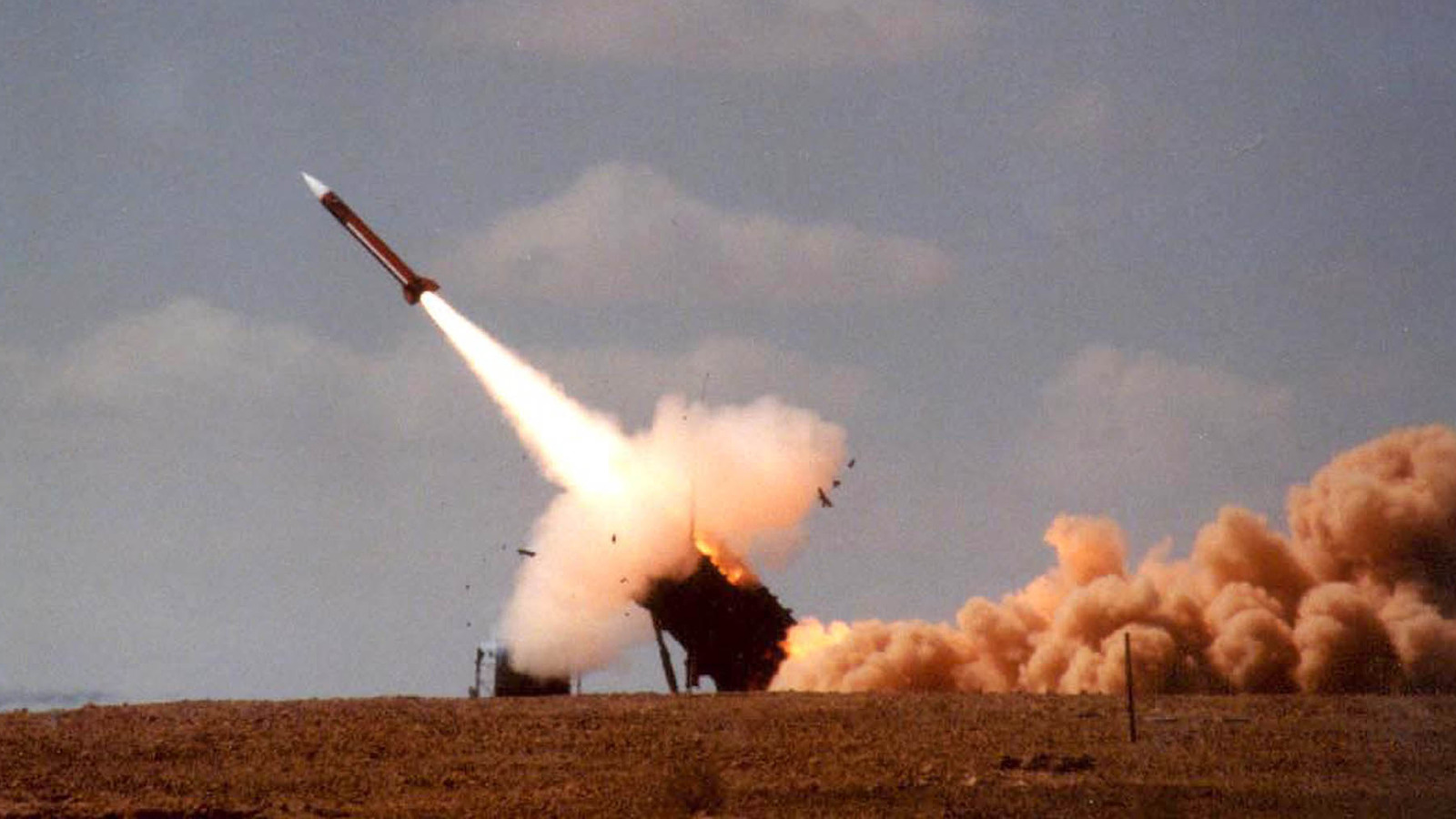
General Motors enters defense manufacturing with a new contract to produce components for Lockheed Martin's Patriot missile systems. The move reflects Detroit's broader pivot toward defense work as the automotive industry confronts slowing EV demand and seeks alternative revenue streams.
GM will manufacture precision parts for the air defense system, supporting U.S. and allied nations' munitions stockpiles. The company joins a growing roster of traditional automakers diversifying into weapons production. Ford, Stellantis, and others have similarly expanded defense contracts over the past two years as geopolitical tensions rise and military budgets increase.
The Patriot missile system remains one of NATO's most critical air defense platforms. Lockheed Martin, the prime contractor, relies on suppliers across multiple industries to meet production targets. GM's manufacturing expertise in precision engineering, supply chain management, and high-volume production makes the company valuable to defense contractors facing unprecedented demand.
Patriot systems have seen renewed interest following Russia's invasion of Ukraine and widespread deployment to allied nations. The U.S. has shipped dozens of units to Kyiv and commitments to Poland, Romania, and other Eastern European countries have strained existing production capacity. Pentagon officials have publicly stated that munitions production cannot keep pace with current global demand.
For GM, the contract diversifies revenue beyond struggling passenger vehicle sales. The automaker reported flat sales growth in 2024 and faces mounting pressure from Tesla and Chinese EV makers. Defense work offers stable, long-term contracts with predictable margins. Unlike consumer vehicles, military parts face minimal price competition and demand remains inelastic.
GM's foray into Patriot production represents a calculated business decision rather than patriotic posturing. The automotive industry has historically supported defense efforts, and modern carmakers possess manufacturing capabilities that weapons suppliers need. Precision metalworking, electronics integration, and quality control systems transfer directly from vehicle production to missile components.
Other automakers have already established defense contracts. General Dynamics works with multiple suppliers on ammunition production. Textron supplies components for various military systems. Ford has expanded its defense footprint significantly. The trend accelerates as traditional defense contractors struggle to meet demand without expanding their own factories.
GM did not disclose financial terms or production volumes. Lockheed Martin supplies ammunition and systems to dozens of countries, creating a global market for component production. The contract's duration and scale remain unclear from available information.
The automotive industry's defense pivot carries geopolitical weight. As Western nations increase military spending, carmakers with manufacturing scale and precision capabilities become essential partners. GM's investment in this sector signals confidence that defense contracts will remain viable revenue sources for years.
This shift also reflects changing business models in automotive manufacturing. As EV production consolidates and competition intensifies, diversification into defense work insulates companies from consumer market volatility. Whether this trend becomes permanent or temporary depends on future geopolitical conditions and consumer demand recovery.