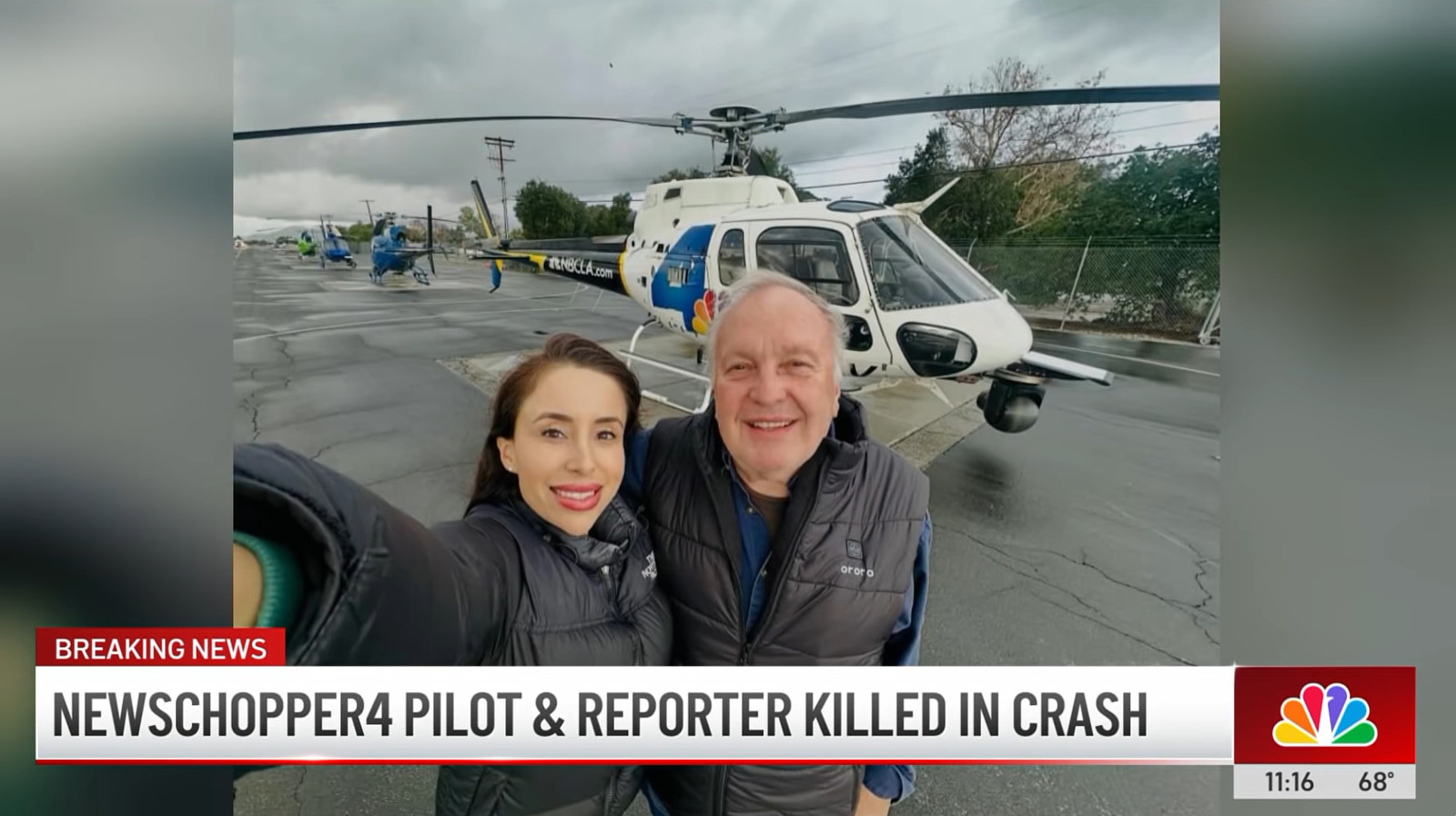
A news helicopter crashed while covering a fatal bus accident, killing three people aboard the aircraft. The helicopter lost altitude rapidly, with the live feed cutting out seconds before impact, according to reports from the scene.
The incident underscores ongoing safety concerns in helicopter operations, particularly during news gathering missions. News organizations routinely deploy helicopters for traffic reporting, breaking news coverage, and accident documentation. These operations carry inherent risks that differ markedly from commercial aviation or standard helicopter tours.
Helicopter crashes during news operations represent a persistent hazard in the industry. Pilots operating news helicopters frequently work under time pressure, tight budgets, and challenging weather conditions. The need to get footage quickly and stay on station to capture developing events creates operational pressures that can compromise safety margins. Weather deterioration, reduced visibility, and mechanical failures pose constant threats.
The Federal Aviation Administration regulates commercial helicopter operations under Part 135 rules, which govern aircraft used for hire or reward. News helicopters fall under this category. Operators must maintain certifications, undergo regular inspections, and pilots must meet experience and medical standards. However, the pace of news operations and financial constraints at some news organizations can create tension between regulatory compliance and operational demands.
This crash adds to a troubling history of helicopter accidents during news gathering. The industry has experienced several high-profile crashes in recent years, prompting renewed discussions about operational safety standards, pilot training, and weather decision-making protocols. News organizations balance the competitive pressure to cover breaking events against the genuine risks their crews face.
Investigators will examine multiple factors in this accident. Mechanical failure, pilot error, weather conditions, maintenance records, and operational procedures will all come under scrutiny. The FAA and National Transportation Safety Board (NTSB) typically conduct joint investigations into civilian helicopter crashes, analyzing wreckage, maintenance logs, pilot qualifications, and communications records.
The loss of video feed before impact suggests either communication failure or catastrophic structural damage. Either scenario indicates the helicopter encountered conditions beyond its operational envelope or experienced a systems failure that rendered it uncontrollable within seconds.
News organizations employing helicopter services must weigh the competitive advantage of aerial coverage against crew safety. Some outlets have reduced helicopter operations or shifted toward drone footage for less critical assignments. Others maintain active helicopter programs but implement stricter weather minimums and operational limitations than regulatory minimums require.
The three fatalities aboard the news helicopter likely included pilot, co-pilot, and camera operator or journalist. These crew members accepted occupational risks when they entered aviation and broadcast journalism, but that acceptance does not diminish the tragedy of preventable accidents.
This crash reinforces that no news story justifies operations that push aircraft and crews beyond safe limits. The industry faces pressure to improve safety protocols, enhance pilot training specifically for news operations, and implement decision-making frameworks that prioritize crew survival over getting the shot.