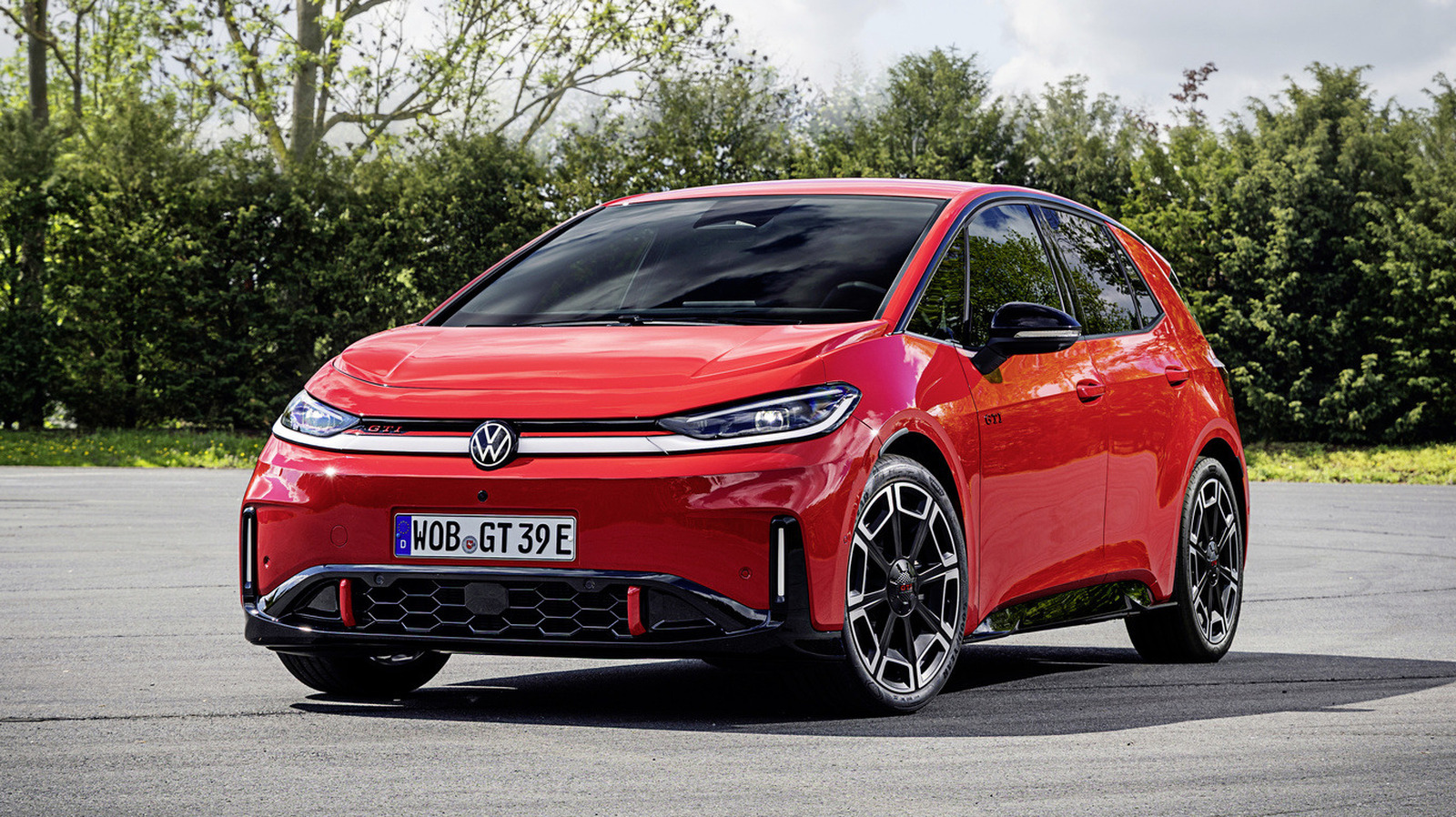
Volkswagen has finally delivered the electric hot hatch enthusiasts have been waiting for. The new ID 3 GTI combines the heritage of the iconic GTI nameplate with genuine performance credentials and the styling cues that make GTI models instantly recognizable.
The ID 3 GTI sits on the facelifted ID 3 Neo platform and delivers 322 horsepower from its rear-wheel-drive electric motor. That translates to a zero-to-62 mph sprint in 5.6 seconds, making it genuinely quick in real-world driving. For context, that's faster than the current Golf GTI, which manages the same sprint in 6.1 seconds. Volkswagen clearly engineered this car to justify the GTI badge, not simply slap it on an ordinary EV.
The styling follows GTI tradition precisely. Plaid seat upholstery returns as the signature interior touch, a nod to classic GTI models dating back decades. The exterior wears the typical GTI visual language. Red accents, a sportier bumper design, and distinctive badging separate this model from the standard ID 3 lineup. Volkswagen understands that GTI buyers want their performance cars to look the part.
This move represents a significant shift in how legacy automakers approach electric performance. Rather than creating a standalone EV platform and bolting a performance badge onto it, Volkswagen took an existing EV platform (the MEB underpinning) and engineered genuine speed into it. The rear-wheel-drive layout supports that intent, offering the handling characteristics enthusiasts expect from a driver-focused vehicle.
The ID 3 GTI launches in a market where electric hot hatches remain relatively rare. The Hyundai Ioniq 5 N and the Kia EV6 GT offer comparable performance but target different segments. Neither carries the weight of history that the GTI name brings. For Volkswagen, resurrecting the GTI nameplate for electric vehicles signals confidence that performance EVs can appeal to traditional car enthusiasts.
Pricing and full specification details remain fluid. European markets will get first access, following Volkswagen's typical rollout pattern for ID series vehicles. North American availability remains uncertain, as Volkswagen has proven hesitant to bring the ID 3 to the U.S. market, preferring instead to focus on larger ID.4 and upcoming ID.7 models for American customers.
This car matters because it demonstrates that electrification doesn't require sacrificing the visceral appeal of a hot hatch. Five-point-six seconds to 62 mph delivers real acceleration that drivers feel. The rear-wheel-drive configuration provides the agility that GTI buyers have come to expect. Plaid seats aren't just nostalgia, they're a signal that Volkswagen takes the GTI tradition seriously.
The ID 3 GTI also pressures rivals to deliver genuine performance rather than relying on electric torque alone. Hyundai and Kia can't ignore what Volkswagen accomplished here. Traditional automakers finally possess the tools and platform flexibility to build electric cars that satisfy both performance metrics and emotional engagement. The GTI nameplate proved its staying power once again.