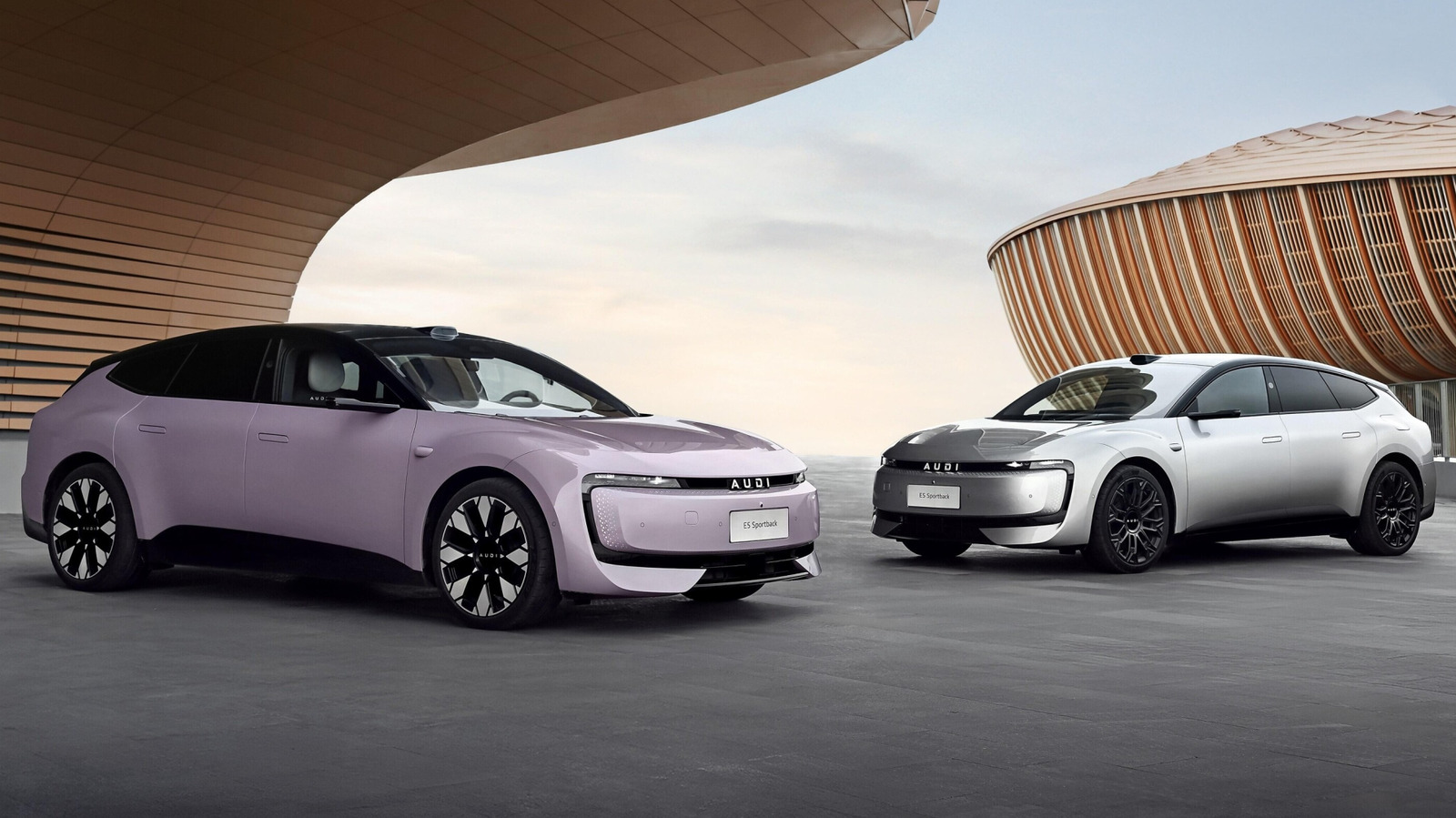
# Audi's Trademark War Against Chinese EV Startup Creates European Import Chaos
Audi is taking aggressive legal action to block a Chinese electric vehicle startup from selling cars under the AUDI brand in Europe, sparking a complex trademark dispute that highlights the growing tensions between legacy automakers and emerging EV competitors fighting for market share.
The German luxury marque filed suit to prevent another company from importing vehicles branded as AUDI into European markets. The lawsuit centers on trademark rights and brand protection, a common battleground as smaller manufacturers attempt to leverage established nameplate recognition or similar branding to gain traction in crowded segments.
This case represents more than a simple corporate squabble. It reflects the reality facing traditional automakers as they defend global brand equity against aggressive newcomers. Audi, part of the Volkswagen Group, has spent decades building brand prestige and consumer trust under its four-ring logo. When competitors attempt to use similar naming conventions or branding strategies, even if technically distinct, legacy automakers view the move as opportunistic brand dilution.
The dispute also underscores the fragmented nature of global trademark law. Rights established in one jurisdiction do not automatically transfer elsewhere. A company might secure AUDI-related trademarks in China, India, or Southeast Asia, but those protections mean nothing in Europe, where Audi AG holds firmly established trademark claims built over generations. This creates opportunities for companies to register similar names in different regions, then attempt expansion into protected markets where conflicts emerge.
For consumers and dealers, these legal battles create uncertainty. Importation bans delay product launches. Retailers must verify trademark clearance before committing to inventory. Financing arrangements hang in limbo during court proceedings. Even if the startup ultimately prevails, the legal costs and timeline delays diminish the competitive advantage that attracted them to the brand in the first place.
The case also reflects broader competitive dynamics in the EV space. Chinese manufacturers have accelerated global expansion, bringing lower-cost electric vehicles to international markets with increasing sophistication. Legacy automakers face margin pressure and must defend premium positioning. Audi's aggressive legal stance signals it will not tolerate brand confusion or perceived free-riding on established reputation.
Trademark disputes typically hinge on evidence of consumer confusion and bad faith. Courts examine whether the defendant's branding creates genuine risk that consumers mistake one product for another. They also consider whether the startup deliberately chose similar branding to capitalize on established recognition. Audi will need to demonstrate that AUDI-branded imports would confuse European buyers into thinking the vehicles carry Audi Group's engineering and warranty protections.
This particular dispute leaves automotive observers tangled in definitional knots. Without clear information about the competing brand's exact naming convention and visual identity, the precise legal merits remain opaque. What seems obvious to trademark lawyers often confuses casual observers who cannot distinguish between legitimate brand protection and overreach by entrenched players.
The outcome will likely establish precedent for how European regulators view Chinese EV makers' market entry strategies. If Audi succeeds, other established brands may file similar suits. If the startup prevails, it opens doors for more aggressive naming strategies from competitors entering premium segments.