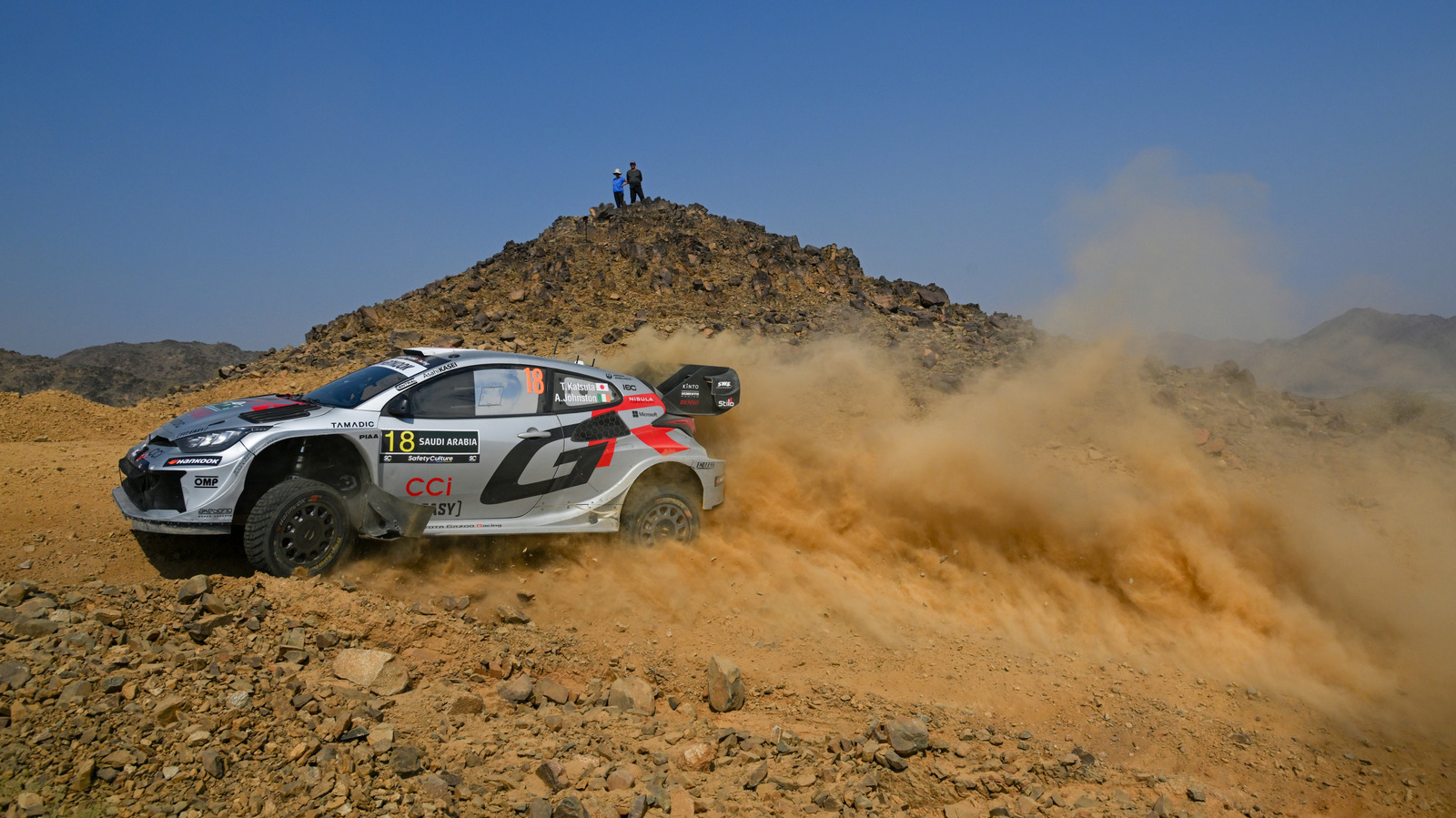
The World Rally Championship cancelled its season finale in Saudi Arabia, moving the final round to Italy instead. This decision marks another retreat from Middle Eastern motorsport investment after initial commitment to expand the calendar eastward.
The WRC had planned to conclude its 2024 season in Saudi Arabia as part of a broader strategic push to establish the championship in new markets with substantial financial backing. Saudi Arabia has aggressively pursued motorsport events over the past five years, hosting Formula 1 races, hosting WWE events, and investing heavily in sports tourism. The kingdom's Public Investment Fund has poured billions into sports franchises and events globally, making it an attractive destination for major series.
This cancellation reveals the complexity of expanding motorsport into unfamiliar territories. Initial enthusiasm from Gulf-backed organizers often collides with logistical challenges, regulatory hurdles, and safety concerns. The WRC's shift to Italy reflects a retreat to familiar ground. Italy has hosted rally events for decades and possesses the infrastructure, local expertise, and spectator base to execute a world-championship-caliber event reliably. The Italian round will serve as a legitimate conclusion to the season rather than an experimental expansion play.
The timing matters. Rallying relies on specific weather conditions, established road networks, and experienced local marshalling infrastructure. Saudi Arabia's rally infrastructure exists but remains nascent compared to European standards. Any scheduling disruption cascades through logistics, television broadcasting agreements, and driver preparations. Moving to Italy eliminates those variables.
Other motorsport series face similar pressures. Formula 1 committed to a Saudi race through 2034 despite ongoing concerns about safety and infrastructure. IndyCar tested street racing in Saudi Arabia. Esports leagues pursue Middle Eastern backing. The WRC's decision shows where the organization draws its line. A season-ending rally demands execution perfection. Italy delivers that reliability. Saudi Arabia, regardless of financial incentive, could not guarantee it.
The cancellation also reflects shifting sponsorship dynamics within rallying. Teams, drivers, and manufacturers budget around confirmed venues. A last-minute shift requires coordination across dozens of teams operating on tight margins. The decision to move to Italy likely came after cost-benefit analysis showed the financial risk of a failed Saudi event outweighed the investment appeal.
For Saudi Arabia's sports ambitions, this represents a setback but not a permanent door closure. Motorsport expansion into new regions follows a pattern. Initial announcements draw skepticism. Execution issues force recalibration. Eventually, successful models emerge. The kingdom will likely pursue other rally opportunities, but the WRC's decision signals that major championships demand operational certainty above promotional potential.
Italy benefits from hosting the season finale. Rally fans pack Italian events. Manufacturers treat the final round as a testing ground for next-season development. Drivers fight for championship points on familiar terrain. The WRC chose substance over speculation, and Italy's rally heritage ensures fans and competitors get the conclusion the season deserves.