# American Airlines Braces for $1 Billion Fuel Surcharge as Middle East Tensions Drive Up Costs
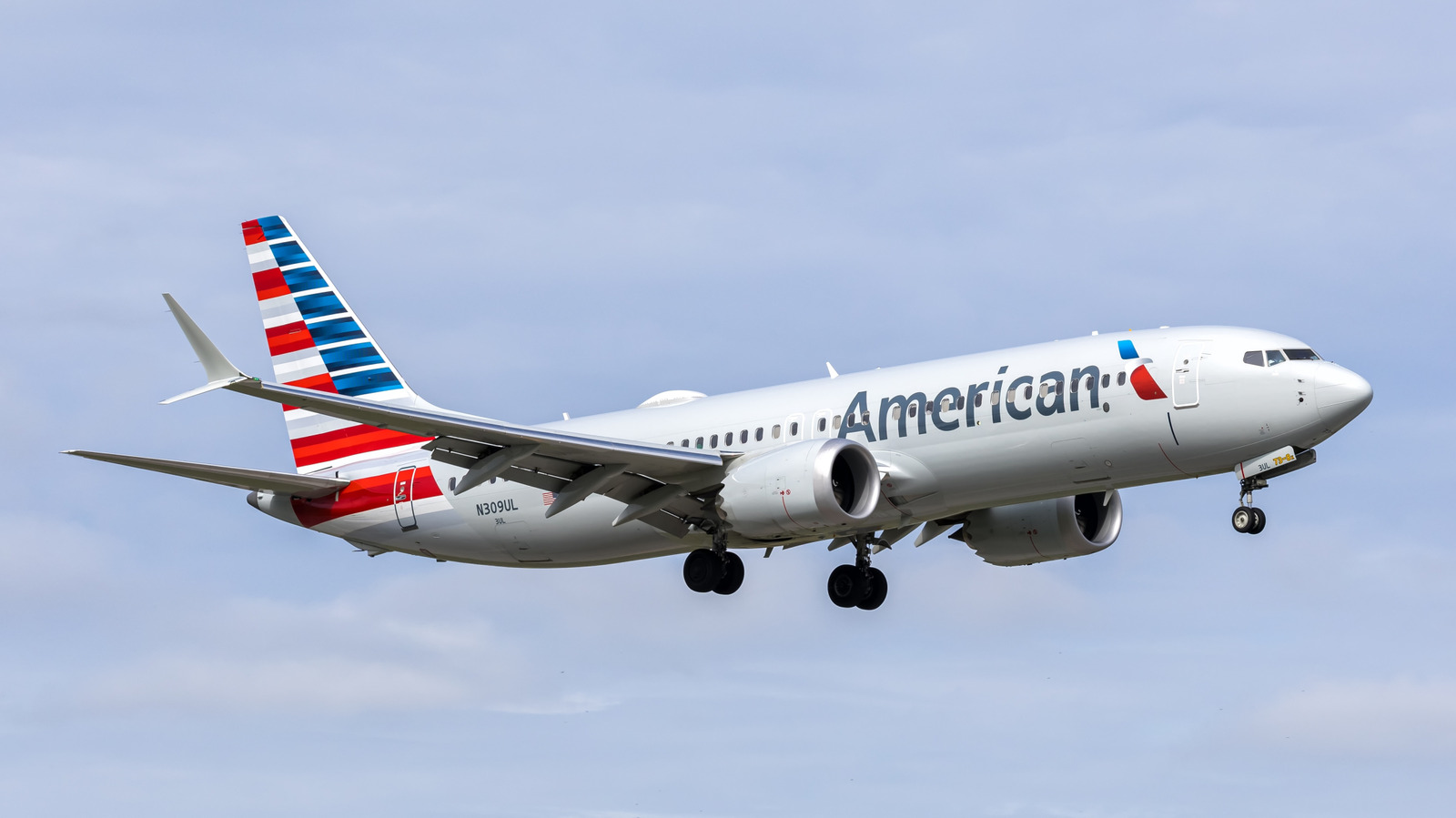
American Airlines faces an unexpected $1 billion hit to operating costs due to geopolitical tensions in the Middle East driving crude oil prices higher. The carrier now expects elevated fuel expenses that will ripple through the entire airline industry, forcing difficult choices between absorbing losses or passing costs directly to consumers.
The airline has already begun tactical responses. American is preemptively canceling select flights to reduce fuel consumption and minimize exposure to volatile pricing. This approach reflects the brutal math airlines face when energy costs spike beyond forecasted budgets. Fuel represents one of the largest operating expenses for any carrier, typically running 25 to 35 percent of total costs depending on market conditions and operational efficiency.
The $1 billion projection underscores how quickly external shocks devastate airline economics. Unlike automotive manufacturers that can adjust production volumes or retailers that can defer inventory purchases, airlines operate on thin margins with fixed route networks and contracted seat capacity. When fuel costs jump 15, 20, or 30 percent across a fleet of hundreds of aircraft, the math turns brutal fast.
American Airlines operates roughly 900 aircraft serving thousands of daily flights. Even modest per-gallon increases compound into staggering totals. A Boeing 777 burns approximately 9,000 gallons per hour of flight. A single transatlantic flight consumes 60,000 gallons or more. Scale that across a global network, and sudden price spikes create immediate balance sheet damage.
The airline's cancellation strategy represents triage, not solution. Cutting flights reduces fuel burn but sacrifices revenue. Fewer seats sold means lost ticket income, which partially offsets fuel savings. The real answer, carriers know, involves revenue management. Higher ticket prices follow fuel cost increases with near certainty.
Delta Air Lines, United Airlines, and Southwest Airlines face identical pressures. The industry has already signaled intent to implement fuel surcharges and base fare increases during the next scheduling cycle. This follows historical patterns. The 2022 energy crisis triggered sustained price increases across all carriers as crude remained elevated for months.
American's situation reflects broader airline vulnerability to geopolitical events. Supply chain disruptions, political instability, or military conflict in oil-producing regions immediately threaten carrier profitability. The industry cannot easily hedge against sustained price increases without constraining growth or accepting lower returns.
Passengers will notice the impact within weeks. American, Delta, and United all monitor competitor pricing closely and adjust fares in real-time through yield management systems. Once one major carrier increases prices, others follow rapidly to capture equivalent revenue per passenger. Business travelers have limited flexibility on routes and schedules, making them prime targets for price increases. Leisure travelers face tougher choices between flying and alternative transportation.
The $1 billion burden also pressures capital expenditures and shareholder returns. Airlines already committed to aircraft orders, maintenance schedules, and debt service find less room for fleet modernization or dividend payments. Investors watching fuel cost escalation may demand higher returns, pressuring stock valuations.
Recovery depends on crude prices normalizing. If Middle East tensions ease and global supply stabilizes, airlines recapture margin over coming quarters. If conflict expands or sanctions tighten, the $1 billion projection could prove optimistic. American's cancellations buy time but solve nothing long-term. Higher ticket prices remain inevitable.