# Reverse Battery Connection: What Actually Happens When You Hook It Up Backwards
Connecting a car battery backwards ranks among the quickest ways to inflict serious damage on an automobile. The consequences extend far beyond a simple no-start condition, potentially destroying multiple electrical systems and components in seconds.
When you connect battery terminals in reverse, positive to negative and negative to positive, current flows backwards through the vehicle's entire electrical architecture. This inversion overwhelms circuits designed to handle power in one direction only. The alternator, which typically charges the battery while the engine runs, suddenly receives reverse polarity current. This forces the alternator to act as a motor drawing current rather than supplying it, generating extreme heat inside the unit. Most alternators fail catastrophically within moments, with internal windings burning out and diodes becoming permanently damaged.
The engine control module takes immediate damage. Modern vehicles rely on sophisticated computer systems to manage fuel injection, ignition timing, emissions control, and transmission shifts. These modules contain microchips and capacitors engineered for specific voltage polarity. Reverse current causes instant failure in semiconductor components. Even if the module survives the initial surge, data corruption becomes likely, forcing expensive replacement rather than simple repair.
Every fuse in the vehicle's electrical panel sees its rated protection rendered useless. Fuses protect components by melting when current exceeds safe levels, but reverse polarity bypasses this safety mechanism. Current rushes directly to protected components before fuse elements can react. Dashboard lights, power windows, seat motors, and entertainment systems burn out simultaneously. The wiring harness itself can overheat and melt insulation, creating short circuits throughout the vehicle.
Battery chargers and jump-starting systems also suffer damage. If you use a charger connected to reversed terminals, the charger itself explodes or catches fire. Jump-starting another vehicle with backwards connections creates a dangerous situation. The donor vehicle's electrical system becomes exposed to the same reverse current, potentially damaging its alternator and control modules.
The damage occurs so rapidly that drivers often cannot prevent it. Once reversed terminals make contact, destruction begins immediately. Some vehicles shut down nearly all systems so quickly that the owner might not realize what happened until attempting restart. Others continue operating briefly while damage compounds invisibly, with systems failing minutes or hours later.
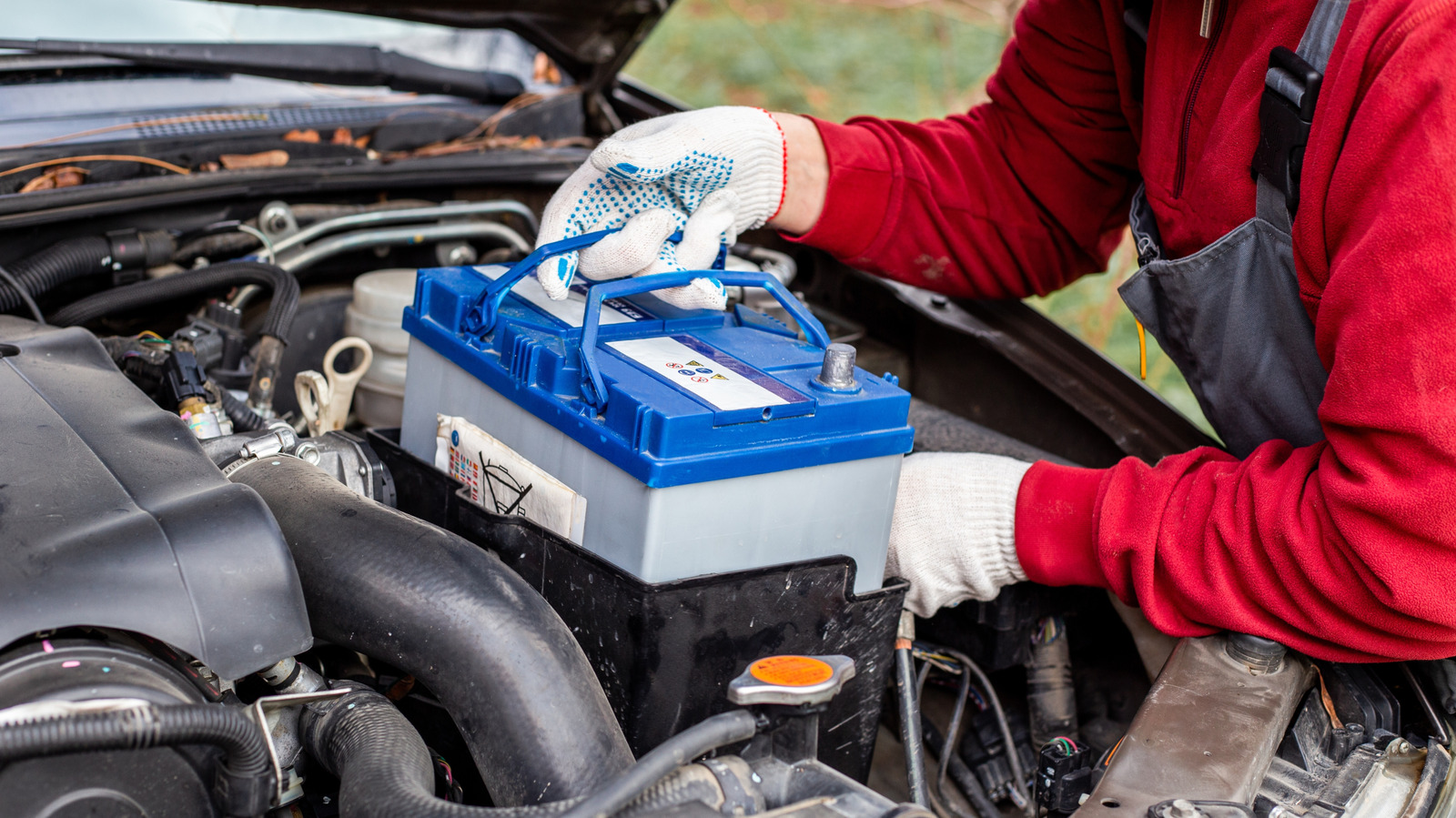
Prevention requires vigilance during battery replacement or jump-starting. Battery terminals follow standard color coding. Red always marks positive, black always marks negative. Most modern vehicles place warning labels on battery covers instructing proper connection sequence. Jump-starting protocol demands connecting positive first, then negative to ground on the vehicle receiving power. Disconnection reverses this order.
Professional technicians and experienced mechanics rarely make this mistake. The error occurs most often among DIY enthusiasts attempting quick repairs or jumps without proper attention. A few seconds of carelessness costs thousands in electrical system repairs.
Some vehicles recover partially with component replacement. Others suffer totaled electrical systems requiring extensive rewiring and reprogramming. The safest approach remains getting a professional to handle any battery work. The money saved from DIY installation vanishes instantly when reversed polarity destroys the engine computer, alternator, and wiring harness.