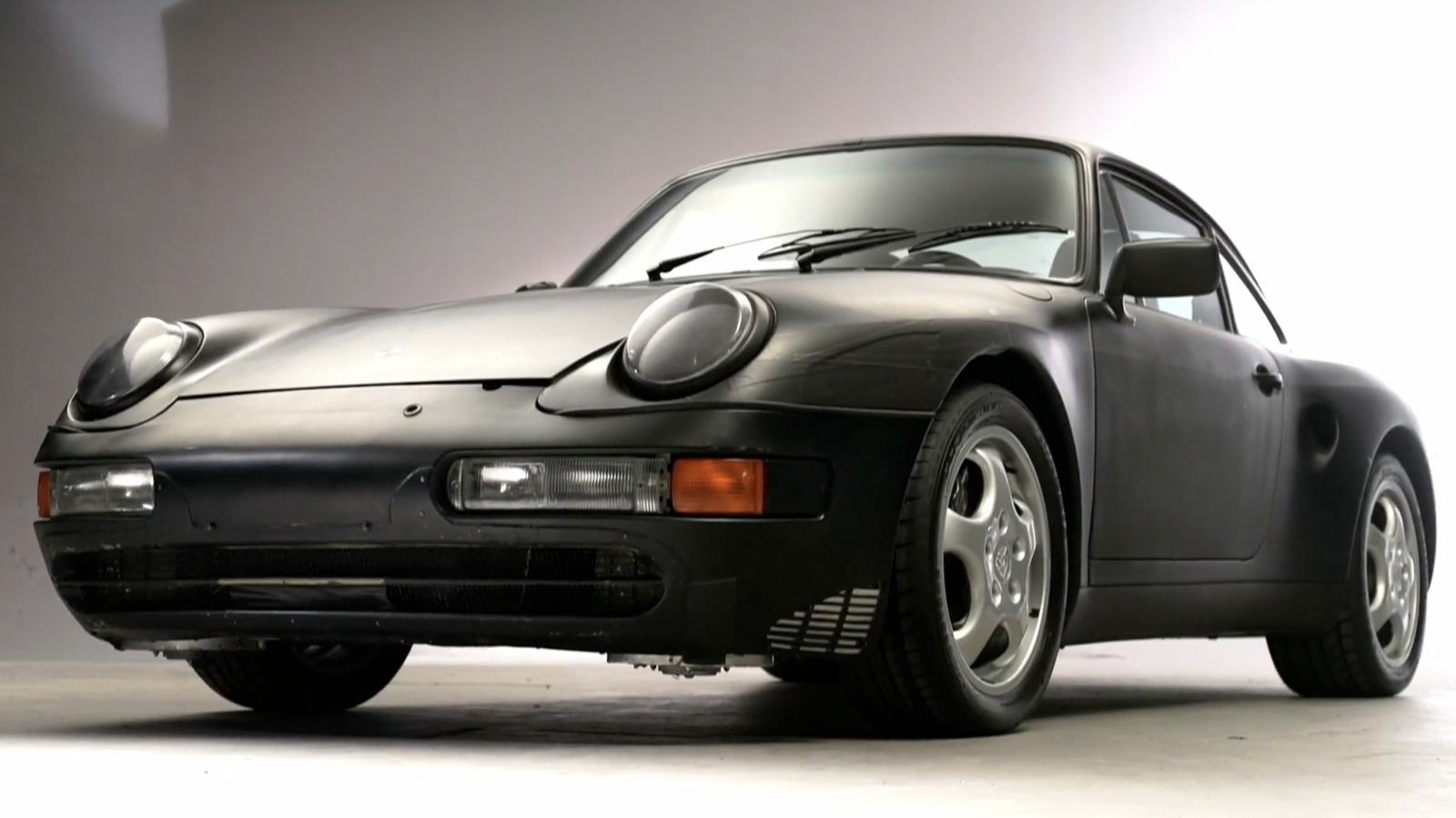
Porsche's engineering culture centers on the horizontally-opposed six-cylinder engine. Since the original 911 debuted in 1963, the model line has remained almost entirely faithful to that layout. Yet buried in Porsche's archives sits a single factory-built prototype that breaks this cardinal rule: an eight-cylinder 911.
The existence of this V8 prototype reveals something about how automakers approach engine development and platform flexibility. Porsche engineers explored the V8 configuration at some point in the model's history, likely during periods when displacement regulations shifted or performance demands escalated. Rather than shelve the experiment entirely, the company preserved it in their museum collection.
This experimental 911 represents a road not taken. Porsche could have chased larger-displacement power through a V8 configuration, following the path other supercar manufacturers took. Instead, the brand doubled down on six-cylinder engineering, eventually adding turbocharging to achieve performance targets. The 911 Turbo debuted in 1975 with a turbocharged 3.0-liter six, and successive generations have built on that forced-induction architecture.
The decision to stick with six cylinders shaped Porsche's identity. The high-revving, naturally-aspirated six-cylinder 911 S became the benchmark for sports car engineering. When Porsche finally introduced a V8, it arrived in the Cayenne SUV in 2002, a different vehicle entirely. The 911 remained loyal to its six-cylinder roots, even as competitors embraced V8 power for flagships.
By the 1990s, Porsche had turbo technology mastered. The 993 Turbo packed 3.6 liters and 450 horsepower. More displacement came through increased cylinder bore and stroke, not additional cylinders. This approach allowed engineers to refine a proven architecture across decades rather than reinvent it repeatedly.
The V8 prototype, now safely housed in the museum, serves as industrial archaeology. It documents that Porsche explored options but consciously chose continuity over chasing horsepower through cylinder count. That restraint reflects engineering philosophy: make fewer things do more work.
Today's 911 carries 3.0-liter twin-turbo sixes producing up to 518 horsepower in the Turbo S configuration. The engine displaces less than half the volume of some competitors' V8s yet delivers comparable output. That efficiency gap, refined over six decades, flows directly from Porsche's commitment to the six-cylinder formula.
The hidden V8 prototype raises questions about what else Porsche tested behind closed doors. Water-cooled engines arrived in 1998 with the 996 generation, shocking purists who feared the end of air-cooling tradition. Yet that transition happened publicly. The V8 experiment apparently never warranted serious development, making it a true museum curiosity rather than a near-production item.
Porsche's restraint paid dividends. The 911 Turbo S remains the most powerful naturally-designed 911 variant ever sold to customers, yet it retains the six-cylinder character that owners expect. That consistency matters in a market where heritage and tradition drive purchasing decisions among the wealthy enthusiasts who buy new 911s.