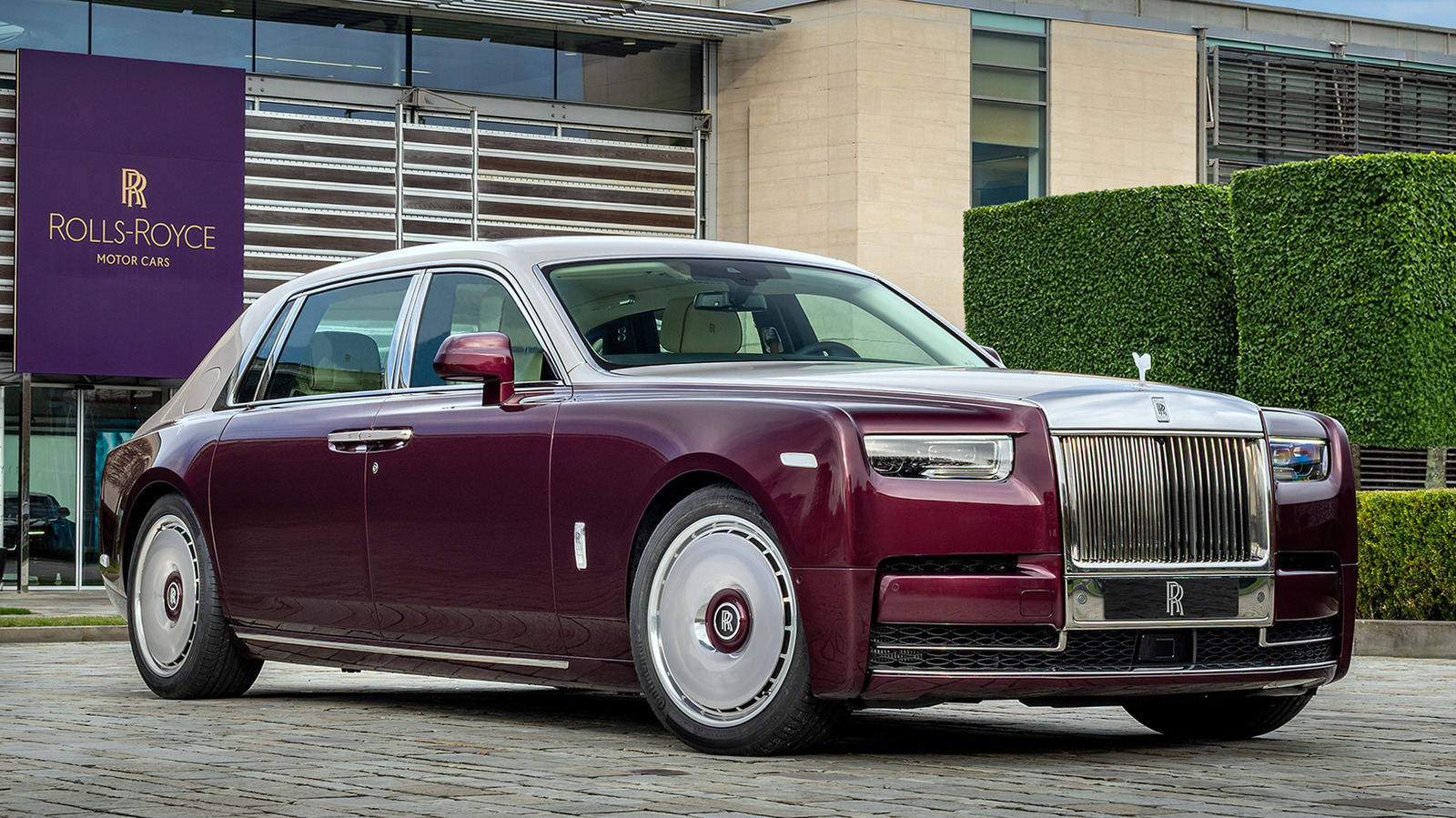
Rolls-Royce has delivered a new Phantom with a bespoke art installation that transforms the door panel into a living canvas of iridescent design. The luxury automaker commissioned a hummingbird motif constructed entirely from fifty-three individual pieces of abalone shell and mother-of-pearl, with eighteen pieces alone comprising the creature's wings.
This level of customization reflects the core business model of modern Rolls-Royce ownership. The Ghost, Phantom, and Cullinan models represent the final frontier of personalization in automotive design, where specification options extend far beyond paint color and wheel diameter. Rolls-Royce's Bespoke division has built its reputation on delivering one-off artistic statements that justify six-figure and seven-figure price tags to ultra-high-net-worth clientele.
The abalone shell work demonstrates craftsmanship rarely seen outside of fine jewelry and watchmaking. Abalone, harvested from mollusk shells, produces a lustrous, color-shifting iridescence that intensifies under light. Each piece required hand-selection, cutting, and placement to achieve the desired visual effect. The wings alone demanded precision execution, as the eighteen individual shell fragments had to align seamlessly to suggest movement and feather texture.
Rolls-Royce does not publish pricing for individual bespoke components, but similar shell-inlay and marquetry work on competitor vehicles commands five-figure premiums. The Phantom's door panel placement means this art appears every time the owner enters or exits the vehicle, transforming a utilitarian interface into a rotating gallery piece.
This commissioning signals continued demand for object-based luxury in a world increasingly focused on digital features and autonomous capability. While competitors like Mercedes-Benz AMG and Bentley chase electric powertrains and software integration, Rolls-Royce doubles down on analog craftsmanship. The company released the Phantom as an internal-combustion model in 2017, abandoning the previous generation's hybrid architecture. The current lineup runs a 6.75-liter twin-turbocharged V12 producing 563 horsepower, positioned as an engine designed for power delivery rather than efficiency metrics.
The hummingbird Phantom arrives as Rolls-Royce navigates its transition toward electrification. The automaker announced plans for a fully electric Rolls-Royce by 2030, but current production remains firmly combustion-powered. This particular car represents the twilight of that era, a moment when the brand still privileges handcraft, natural materials, and irreproducible artistry over technological novelty.
For collectors paying north of $400,000 for a Phantom, this abalone installation justifies the asking price in ways a heated seat button never could. It proves that some customers will always reward shops that treat automobiles as moving sculpture rather than rolling computers.