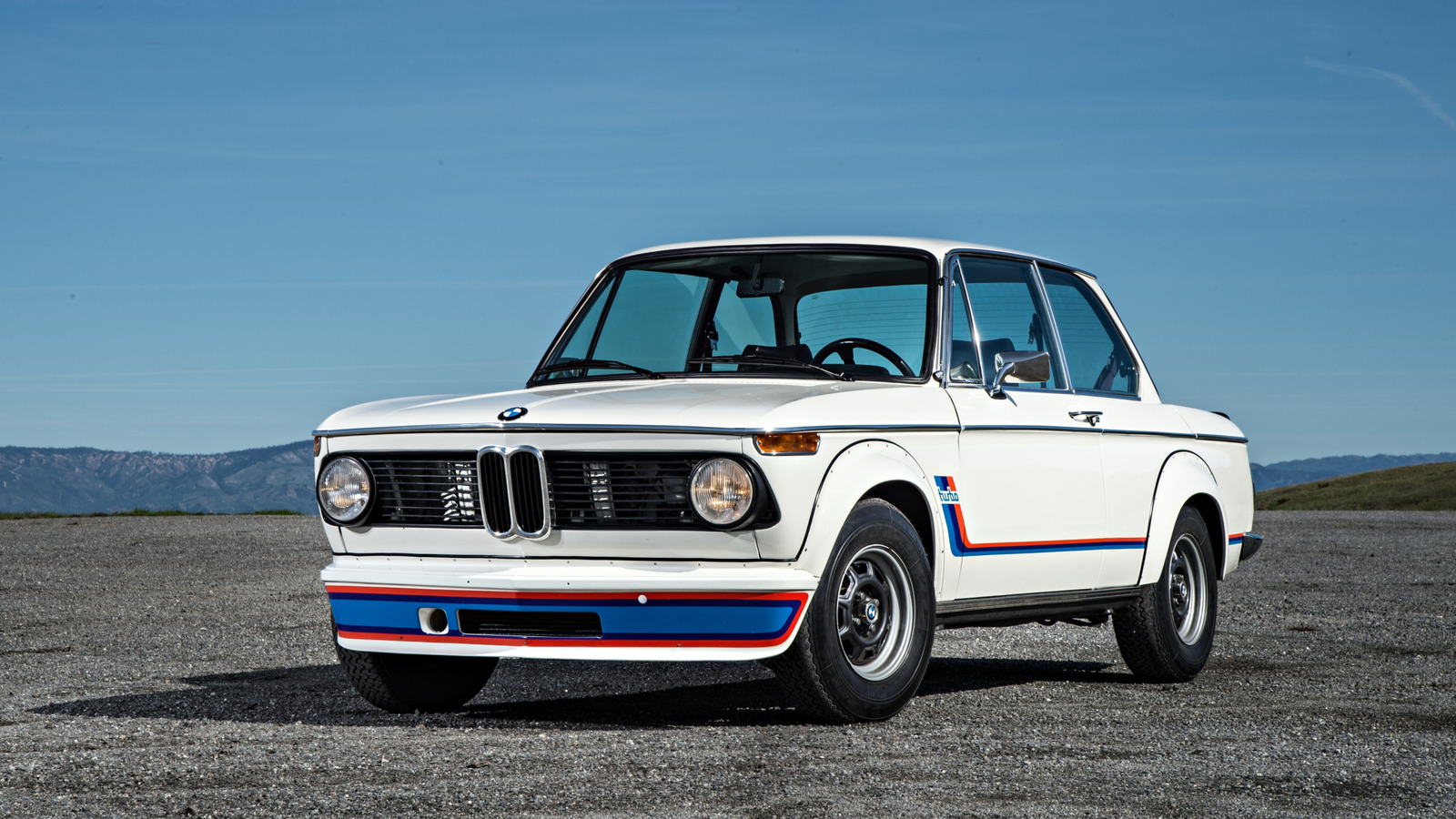
The 1970s automotive market operated under completely different pressures than today's landscape, and the gap between what sold then and what enthusiasts revere now reveals how profoundly a single crisis can reshape an industry's entire trajectory.
The 1973 oil embargo hit American manufacturers like a sledgehammer. Suddenly, gas-guzzling muscle cars and land yachts became liabilities. Buyers fled to fuel-efficient imports and compact domestics. Models that dealers struggled to move in 1974 and 1975 are now sought-after collectibles. Conversely, the practical, forgettable appliances that dominated showrooms have largely vanished from memory. Time and nostalgia have completely inverted the market's original verdict on countless vehicles from that decade.
Several now-iconic cars faced dismal sales when new. The Plymouth Road Runner and Dodge Super Bee, descendants of the high-horsepower muscle car craze, couldn't find buyers as OPEC oil restrictions choked demand for performance. Pontiac's Firebird Trans Am struggled initially despite becoming a cultural icon through its appearance in "Smokey and the Bandit" and subsequent television features. The Chevrolet Vega, designed as a fuel-efficient Japanese fighter, suffered quality problems that tanked its reputation upon launch, yet preserved examples now attract serious collectors willing to overlook its original shortcomings.
The Oldsmobile Diesel Cutlass Supreme seemed brilliant on paper. With OPEC holding global oil supplies hostage, a diesel engine delivering superior fuel economy appeared to be the future. Buyers lined up. Yet diesel engines proved temperamental, suffered from cold-start issues in winter climates, and developed reliability problems that persisted across model years. What looked like a smart purchase in 1978 became a regrettable decision by 1985. These cars are not experiencing collector resurgence.
Similarly, the Ford Pinto and AMC Gremlin sold in respectable numbers during their production runs. Both were front-wheel-drive compacts engineered to battle imports. They were affordable, practical transportation. Nothing more. Nothing distinguished them aesthetically or mechanically. They've aged into complete anonymity. No one restores them. No one hunts for them at auctions.
The Honda Civic and Toyota Corolla dominated sales charts throughout the '70s and into the '80s because they were reliable, efficient, and unpretentious. They were the cars people actually needed, not cars they yearned for. That practicality paradoxically guarantees their disappearance from the collector market. When a car was purchased by millions and served its purpose faithfully for a decade before being scrapped, no emotional attachment develops. The supply was vast, the demand today is minimal.
Inflation and shifting consumer priorities mean the collector market operates on entirely different logic than the original market. The 1973 crisis permanently altered what buyers valued, and it altered what history decided to preserve. Cars that seemed worthless in showrooms became valuable; bestsellers became forgotten. The modern collector car hobby didn't exist in the 1970s. Today's enthusiasts select based on style, rarity, and cultural impact rather than the practical considerations that drove sales fifty years ago. The decade that gas lines and economic uncertainty shaped produced a generation of vehicles whose reputations have been completely rewritten by time.