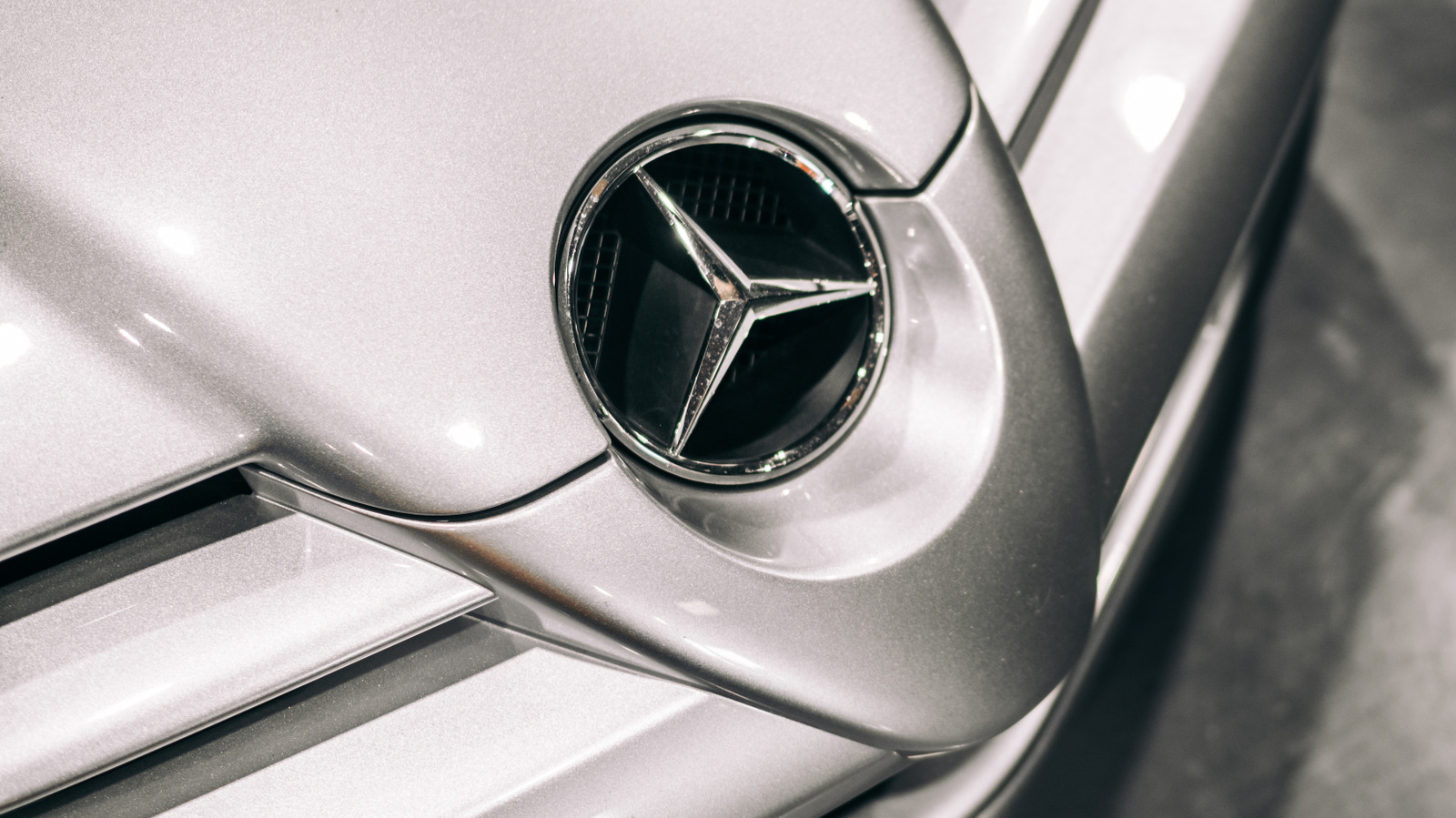
Mercedes-Benz has built a roster of genuinely quick vehicles outside its famous AMG performance division, and these overlooked machines prove speed doesn't always require the three-pointed star's most exclusive badge.
The 190E 2.5-16 Evolution deserves top billing here. Built between 1989 and 1991, this four-door saloon paired a 2.5-liter 16-valve engine producing 235 horsepower with advanced engineering that predated AMG's dominance in the speed game. Mercedes created the Evolution specifically to homologate a race car, and the road version delivered genuine performance credentials. Its 0-60 time of under seven seconds felt revolutionary for a family sedan in that era, and the engineering sophistication set benchmarks that forced the industry to pay attention.
The C111-II concept car represents another beast entirely. This 1970s experimental wedge came equipped with a turbo-diesel V8 that produced 230 horsepower and set 23 world speed records. Though never sold to customers, the C111-II proved Mercedes could push boundaries in performance without needing AMG's motorsport heritage. The car's low slung design and mid-engine configuration created a supercar profile that challenged conventional thinking about what a Mercedes could be.
The W124 E36 AMG, often mistaken for an AMG product due to its racing pedigree, actually wore different badging in some markets. This mid-1990s E-Class variant pumped out 322 horsepower from a 3.6-liter V6 and represented serious muscle before AMG fully consolidated its power division branding strategy. The car dominated touring car racing and proved that Mercedes performance engineering existed in pockets throughout the company's structure.
Mercedes' 300SL Gullwing from 1954 represented a different era of performance. The 3.0-liter straight-six produced 215 horsepower and held the title of the world's fastest production car when it debuted. No AMG badge adorned this aircraft-inspired machine because AMG didn't exist yet, but the engineering and raw speed established Mercedes as a performance player decades before the tuning shop became a division.
The 540K Special Roadster from the 1930s rounds out the list. This pre-war beauty packed a supercharged 5.4-liter straight-eight producing 180 horsepower, remarkable output for its time. The open-air two-seater could exceed 110 miles per hour, making it one of Europe's fastest cars before the Second World War interrupted automotive development entirely.
These machines highlight how Mercedes evolved its performance identity across different eras and structures. AMG became the default performance badge, but Mercedes showed speed runs deeper than any single division. The brand's engineering culture supported fast cars throughout its ranks, from factory experimental machines to homologation specials built for racing legitimacy.
Today's buyers fixate on AMG badging as the ultimate Mercedes performance marker, but these overlooked models demonstrate that speed and sophistication existed in the marque's DNA long before acronyms became synonymous with power. The cars above earned their place through genuine engineering achievement rather than marketing consolidation.