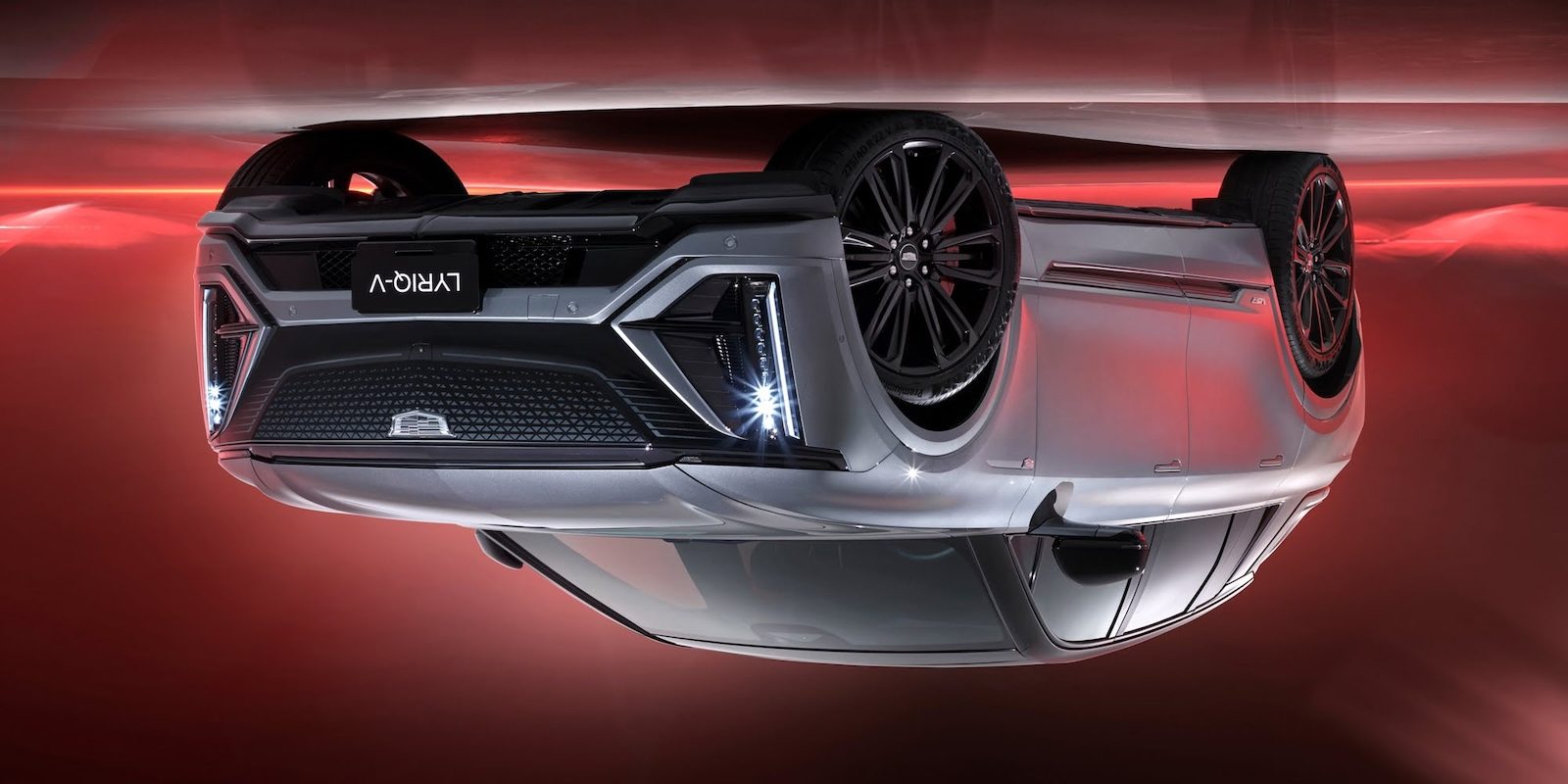
General Motors is expanding Cadillac's global footprint with the 2027 Lyriq-V, the performance variant of its flagship electric SUV, arriving in Australia this model year. The move marks another step in GM's international strategy for the luxury brand, following Cadillac's entry into Formula 1 earlier in 2026.
The Lyriq-V represents Cadillac's answer to the high-performance electric SUV segment, a category gaining traction as luxury buyers demand both zero-emission credentials and compelling acceleration. The V-series badging ties directly to Cadillac's performance lineage, a heritage the brand is aggressively reviving through electrification. This approach mirrors strategies from BMW with the iX M60, Mercedes-AMG with the GLE 53 AMG, and Porsche with the Cayenne Turbo S E-Hybrid, though the Lyriq-V operates on a fully electric platform.
Australia represents a deliberate geographic expansion for Cadillac. The market has shown strong appetite for premium electric vehicles, with luxury EV adoption rates climbing faster than in the U.S. Tesla dominates the premium EV space there, but gaps exist for domestic American luxury brands seeking footholds. By launching the performance variant rather than the standard Lyriq, Cadillac targets affluent early adopters willing to pay premium pricing for distinctive styling, performance metrics, and brand prestige.
The timing aligns with GM's broader push to establish Cadillac as a global luxury nameplate. The Formula 1 team debut earlier this year provides marketing leverage and brand elevation that dealer networks worldwide can capitalize on. A racing program confers legitimacy in performance that resonates with the buyers Cadillac pursues with the Lyriq-V. This dual approach of motorsport involvement plus high-performance production vehicles has worked for established luxury competitors for decades.
The Lyriq-V addresses a market where electric performance SUVs still carry relatively low volume compared to conventional luxury crossovers. Buyers in Australia, like those globally, remain price-sensitive despite EV enthusiasm. Performance variants typically carry 20 to 30 percent premiums over base models. The Lyriq-V's Australian launch will test whether that pricing proves acceptable in a market where traditional luxury SUVs from Range Rover, Mercedes-Benz, and BMW remain entrenched.
Cadillac faces headwinds in establishing relevance outside North America. The brand carries limited cachet in Australia compared to German and British competitors. Right-hand-drive conversion, localized service networks, and compliance with Australian safety and emissions standards represent operational hurdles. Yet GM's commitment to right-hand-drive production for the Lyriq-V signals confidence in the model's global potential.
The electric powertrain enables Cadillac to differentiate through performance metrics that conventional SUVs cannot match. Instant torque delivery from electric motors appeals to performance enthusiasts while the quiet cabin and low center of gravity deliver handling characteristics luxury buyers value. These inherent EV advantages may prove decisive in markets where Tesla has conditioned luxury buyers to expect electrified performance as standard.
The 2027 Lyriq-V's Australian arrival represents measured expansion rather than aggressive market capture. Cadillac likely plans limited initial allocations to build exclusivity and brand perception. Success Down Under could justify broader Asia-Pacific distribution, extending the reach of GM's luxury strategy beyond North America while testing whether V-series performance positioning resonates with international audiences.