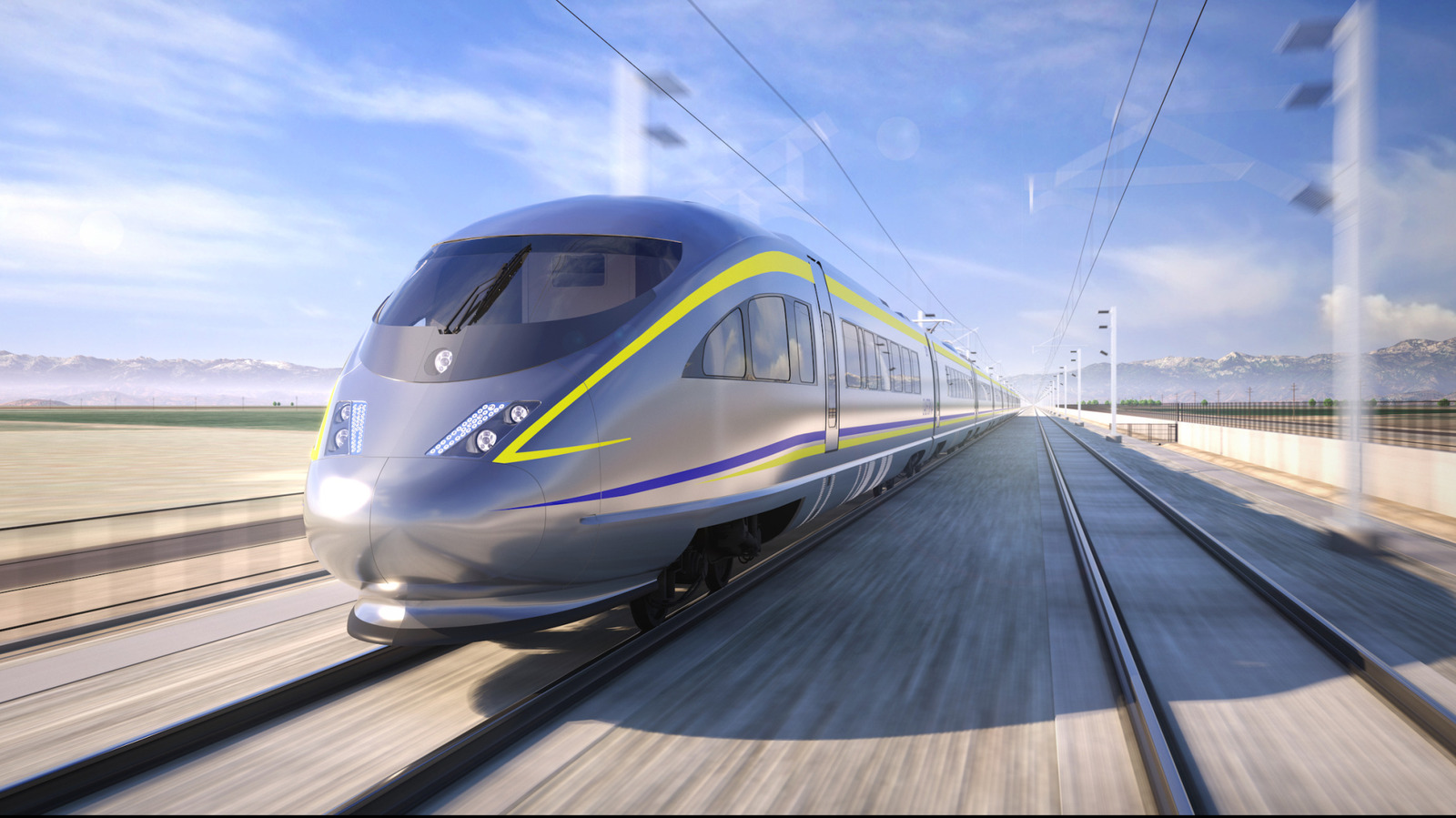
# California's High-Speed Rail Program Burned $600K on Consultant Uber Rides and Bar Tabs
California's troubled high-speed rail project has squandered nearly $600,000 in taxpayer funds on consultant reimbursements for Uber rides, bar bills, and other personal expenses, according to an investigation by Jalopnik. The scandal underscores the fiscal hemorrhaging plaguing one of America's most ambitious and delayed infrastructure projects.
The California High-Speed Rail Authority, the state agency managing the initiative, approved these reimbursements without adequate oversight or justification. Consultants submitted expense claims for ride-sharing services to restaurants and bars, hotel stays, and meals that the agency reimbursed without proper documentation or accountability measures. No competitive bidding process governed many of these contractor relationships, allowing consultants to charge inflated rates and submit dubious expenses.
The timing matters. California voters approved the high-speed rail bond measure in 2008, authorizing $9.95 billion in state funding. Since then, the project has suffered massive cost overruns, timeline delays, and scope reductions. Initial estimates placed the complete line from San Francisco to Los Angeles at $33 billion. Today, the authority targets a more modest route connecting the Central Valley, with total costs projected between $90 billion and $100 billion or higher. The project has laid zero miles of track.
Meanwhile, consultants have extracted millions from the budget. The $600,000 in personal expense reimbursements represents just one slice of consultant spending that has ballooned across the program's lifetime. These firms profit from delays and complexity. Longer timelines mean more billable hours. Scope changes generate new study contracts. The incentive structure rewards foot-dragging, not delivery.
This pattern reflects broader dysfunction. The High-Speed Rail Authority has cycled through multiple leadership changes, experienced organizational restructuring, and faced constant political turbulence as governors and legislatures shifted priorities. Environmental reviews dragged on for years. Right-of-way acquisition stalled. Engineering designs required repeated revisions. Through all this chaos, consultants remained constant, billing through the inefficiency.
The investigation exposes a governance failure. State auditors should have caught these expenses during routine budget reviews. The authority's chief financial officer should have implemented stricter approval protocols. The board should have demanded cost controls. Instead, reimbursement requests sailed through without scrutiny.
California lawmakers now face pressure to recover these funds and overhaul consultant management. Some have called for criminal referrals and civil fraud investigations. The state attorney general's office has reportedly examined the findings. Whether anything materializes remains uncertain.
The political fallout lands harder because Californians funded this project directly. Proposition 1A bond money came from state taxpayers. Unlike federal infrastructure spending, which voters experience indirectly, state high-speed rail funding appears as an explicit budget choice. Watching consultant expense accounts consume hundreds of thousands while track-laying remains hypothetical fuels public anger and skepticism toward government spending.
This matters beyond rail. Other California infrastructure projects have faced similar consultant cost problems. The state's water system upgrades, housing programs, and transit initiatives employ contractors and consultants. If the High-Speed Rail Authority cannot control expenses on a flagship project with board-level oversight, smaller programs likely face worse problems.
The practical effect: fewer dollars reach actual construction. Money spent on consultant Ubers and bar tabs never goes toward steel, concrete, labor, or equipment. It vanishes into accounts receivable. The project falls further behind schedule, costs climb, and accountability vanishes.