# Oil Conflicts Keep Reshaping Energy Markets. Electric Cars Offer a Way Out.
The Strait of Hormuz sits at the center of a six-month conflict that has closed shipping lanes and disrupted global oil supply chains. This chokepoint alone handles roughly one-third of all seaborne traded oil. When conflict flares there, fuel prices spike worldwide. Yet electric vehicle adoption remains the least discussed solution to this recurring geopolitical vulnerability.
The problem extends far beyond the Strait of Hormuz. Oil conflicts dot the globe. Tensions in the Middle East, production disruptions in Africa, and supply chain fractures elsewhere create constant volatility in fuel markets. Every regional dispute sends shivers through energy markets. Drivers feel it at the pump within days. Governments worry about energy independence. Economies brace for shock.
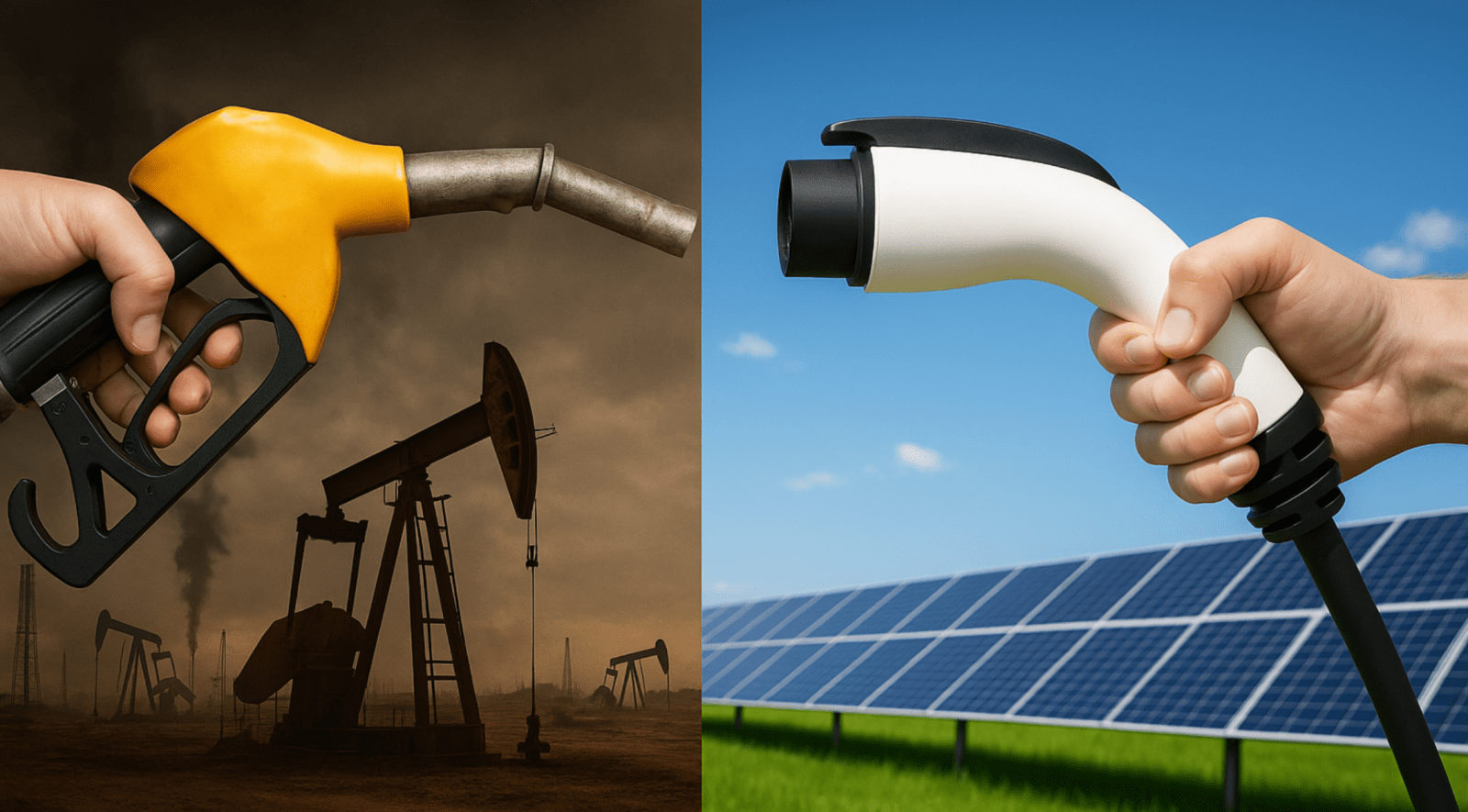
Electric vehicles eliminate direct exposure to this chaos. An EV driver charging at home or at a public station faces zero connection to Middle East politics, African supply shocks, or tanker route closures. Their energy comes from domestic power grids fed by renewable sources, nuclear plants, hydroelectric dams, or natural gas infrastructure. No shipping lanes. No geopolitical gatekeepers. No global cartel pricing.
This distinction matters enormously for national energy security. Countries like Japan and South Korea, which import nearly all their oil, face acute vulnerability to Strait of Hormuz closures. A 30-day blockade could cripple their transportation sectors. Germany, heavily dependent on imported fuel, faces similar risks. By contrast, nations accelerating EV adoption reduce their exposure to supply disruptions they cannot control.
The current conflicts illustrate the problem starkly. When one regional dispute closes a single shipping lane, global oil prices jump. Airlines absorb the hit. Trucking companies pass costs to consumers. Supply chains delay. Inflation pressures build. Governments respond with price caps or subsidies, distorting markets further.
EV expansion breaks this link entirely. As battery-electric vehicles displace gasoline cars, oil demand shrinks. Fewer vehicles competing for the same volatile supply means less leverage for geopolitical actors to disrupt markets. A closed strait becomes a problem for remaining combustion engines, not for the growing EV fleet.
The math favors rapid electrification. Global light-vehicle sales sit near 80 million units annually. EVs now capture roughly 14 percent of that market. Each percentage point shift toward electrics reduces global oil demand by roughly 800,000 barrels per day. At current prices, that represents billions in annual savings freed from geopolitical risk.
Automakers understand this economic advantage. Tesla manufactures in multiple continents. BMW, Volkswagen, and Geely all expand EV production capacity. China's BYD has become the world's largest EV maker by units. These manufacturers recognize that electrification offers immunity from supply shocks that batter the combustion engine industry.
Policymakers move slowly on this connection. Most energy security discussions focus on OPEC negotiations, renewable energy diplomacy, or strategic petroleum reserves. Few acknowledge that the fastest path to independence runs through vehicle electrification. Every coal-fired power plant replaced with wind capacity means less vulnerability to oil conflicts. Every gasoline car replaced with a Tesla means one fewer vehicle dependent on contested supply routes.
The Strait of Hormuz will remain a strategic chokepoint regardless. Middle East tensions persist. Oil conflicts will continue emerging in unexpected places. But each electric vehicle sold reduces the number of drivers harmed by these distant wars. That economic decoupling represents the most practical answer to energy security that global markets offer today.