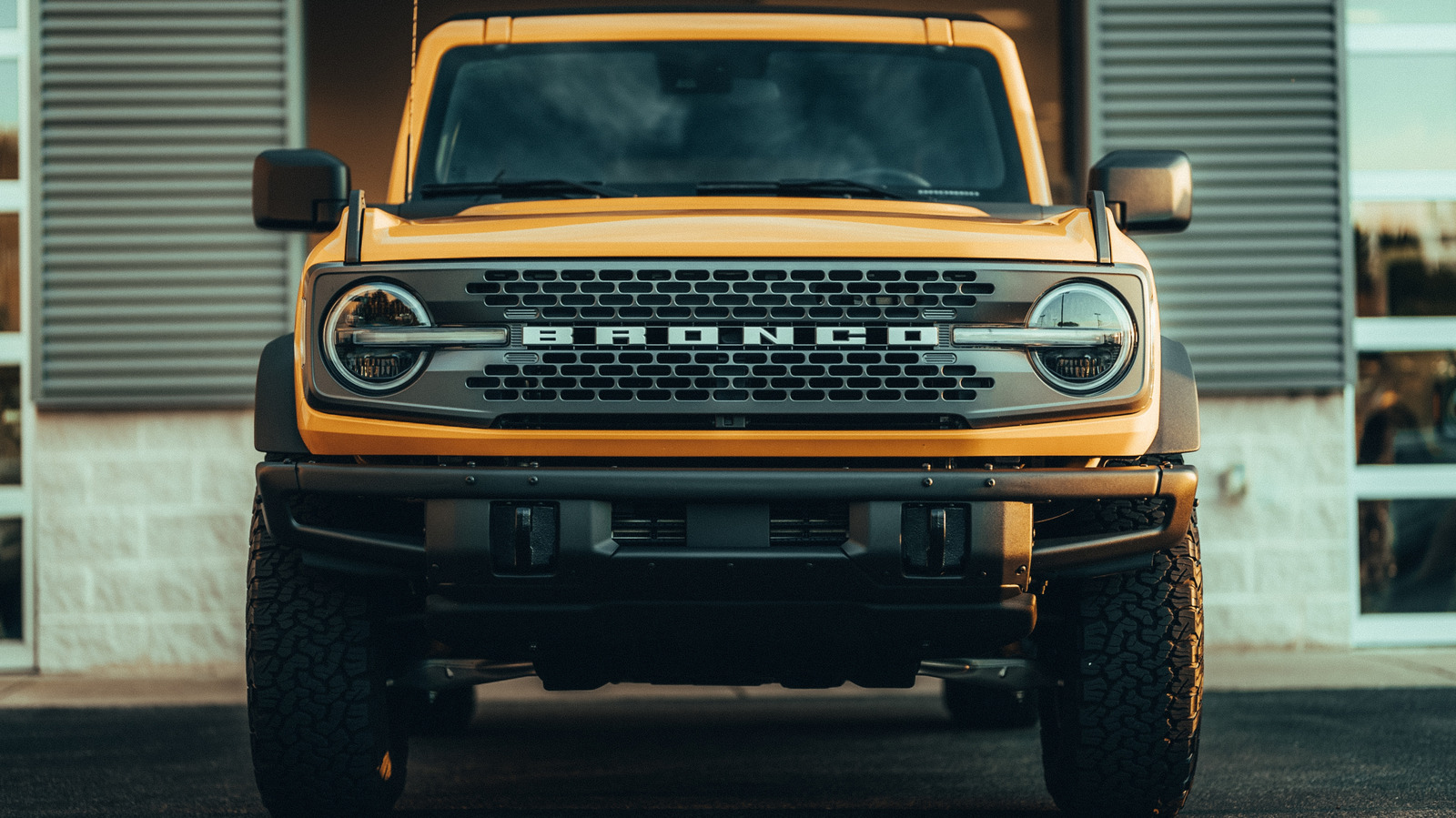
Ford's revival of the Bronco nameplate in 2021 marked a triumphant return for the legendary SUV, but five years into production, the reality has turned messy. Twenty recalls and a parade of documented failures have exposed structural and mechanical vulnerabilities that contradict the vehicle's carefully crafted image as a modern off-road warrior.
The 2021 Bronco arrived to enormous fanfare, with Ford betting heavily on nostalgia and capability. Prices started near $30,000 for base models and climbed past $60,000 for fully equipped variants. Demand was ferocious, with order books overwhelmed for months. But widespread ownership has revealed problems Ford apparently failed to catch during development and early production.
The recall tally tells a damning story. Twenty recalls across the Bronco lineup signals systemic quality control issues rather than isolated defects. Recalls have touched on safety-critical systems including seat belts, roof panels, steering, and brake functionality. The sheer volume and variety suggest engineering oversights rather than assembly-line glitches, which raises questions about the platform's fundamentals.
Owners report several recurring complaints. Paint quality issues emerge early, with premature peeling and poor adhesion on multiple color options. The removable roof panels, a signature Bronco feature and marketing centerpiece, have exhibited alignment problems and water leakage. Door seals fail prematurely, allowing water intrusion that damages interior electronics and trim.
Transmission problems plague certain model years. Some owners experience rough shifting, hesitation during acceleration, and unexpected transmission failures requiring replacement under warranty. The 10-speed automatic transmission in particular has generated complaints on forums and owner communities, with some vehicles requiring repairs before 50,000 miles.
Electrical gremlins compound the issues. Infotainment systems freeze or reset unexpectedly. Dashboard warning lights illuminate for problems that diagnostics cannot identify. Battery drain issues leave vehicles unable to start after sitting idle for a few days. These electrical gremlin problems prove especially frustrating because dealers struggle to replicate issues in controlled environments.
Suspension components show premature wear. Ball joints, control arms, and stabilizer links deteriorate faster than expected for a vehicle in this class, particularly among owners who venture off-road regularly. Rust appears on suspension components earlier than competitors like the Jeep Wrangler, suggesting inadequate corrosion protection.
The body structure itself presents concerns. Some owners report panel gaps that widen over time, roof creaks and rattles that persist despite dealer attempts to remedy them, and frame flex that suggests structural rigidity issues. These problems intensify in convertible-top models with the removable roof configuration.
Ford has issued technical service bulletins addressing some issues, and warranty coverage extends to three years or 36,000 miles. However, the number of problems requiring fixes suggests the Bronco launched with unresolved development work. Competitors like the Jeep Wrangler and Toyota 4Runner, while not perfect, have established track records that the 2021 Bronco simply lacks.
Prospective buyers should demand pre-purchase inspections from qualified independent technicians, not just Ford dealers. Checking recall history and requesting maintenance records becomes non-negotiable. The Bronco's concept remains compelling, but its execution has proven troubled enough that patience and careful selection matter more than ever.