# The Forgotten Gems and Oddities Hiding in Your Local Classifieds
The used car market has always been a dumping ground for the unusual, the unloved, and the downright bizarre. But in the era of smartphone classifieds and algorithmic feeds, strange vehicles have never been easier to find or harder to explain away. Jalopnik's call for reader submissions highlights a growing cultural moment: the internet has turned car shopping into an archaeological dig where anyone scrolling late at night might stumble onto a 1987 Yugo with 14,000 original miles or a Pontiac Aztek that somehow survived the early 2000s.
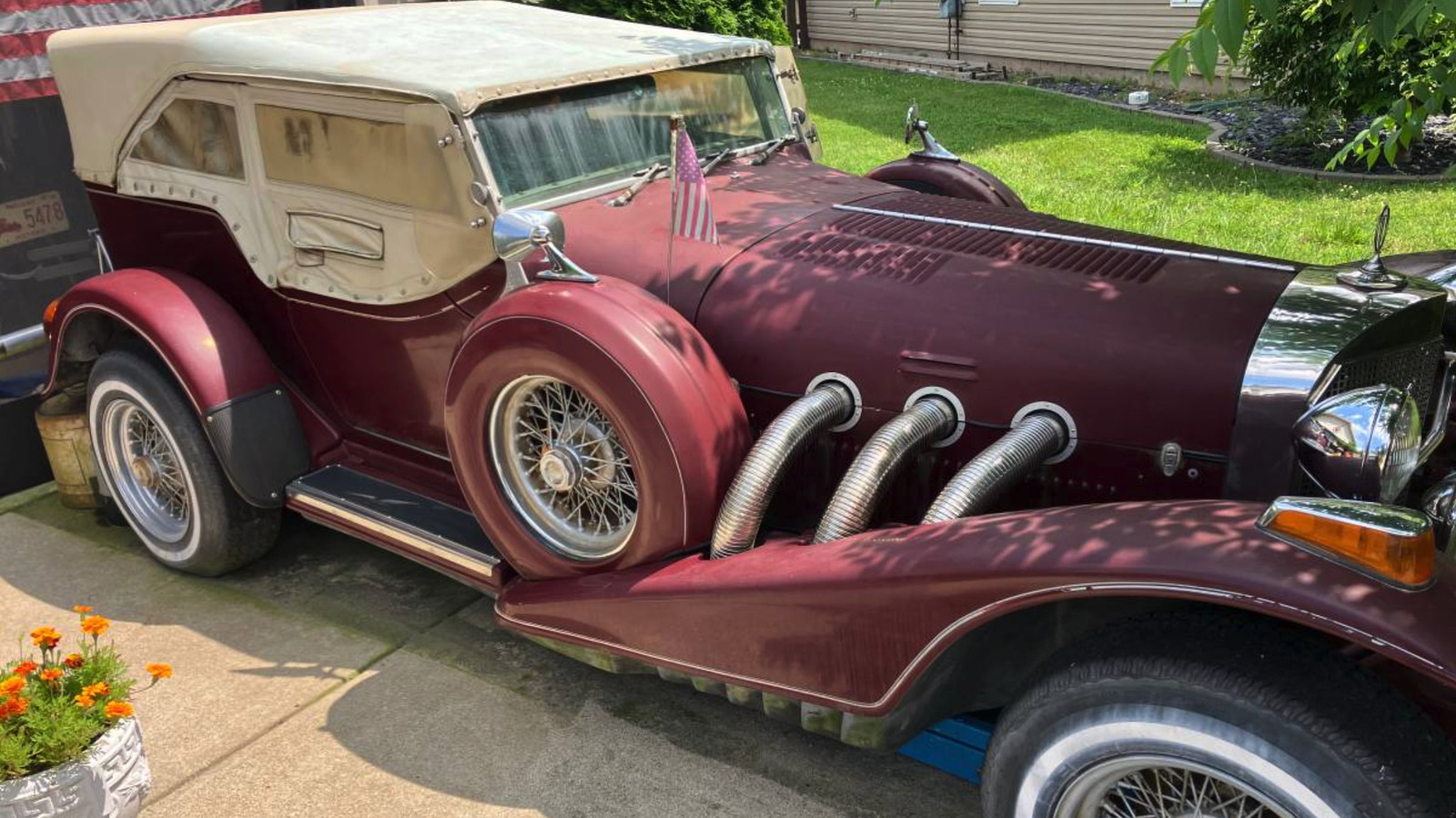
These "oddball" vehicles tell real stories about automotive history, market failures, and collector nostalgia. They represent cars that manufacturers either discontinued quickly or built in such small numbers that finding one running and for sale becomes genuinely noteworthy. The Aztek, famously ridiculed when new, now attracts younger buyers who recognize it as a genuine design oddity. Yugo examples survive as novelties. Forgotten marques like Merkur, Geo Tracker editions, and oddball domestic trucks from the 1990s sit gathering dust in suburban garages, waiting for someone curious enough to take a chance.
What makes this call for submissions revealing is what it says about the current market. As electric vehicles dominate headlines and new car prices climb past $45,000, the used market has become a playground for enthusiasts, bargain hunters, and collector-adjacent buyers. A weird car now functions as a conversation piece, a statement of personality, or simply a affordable way to own something that nobody else on your street will have. That 1994 Ford Aspire or 2004 Subaru Baja sits outside your house broadcasting a specific kind of automotive taste: you appreciate functionality over fashion, or you simply don't care what neighbors think.
The proliferation of these oddball listings also reflects demographic shifts. Younger generations grew up with less automotive brand loyalty and more exposure to global market rejects. They'll buy a first-generation Scion xB because it's weird, not despite it. They'll resurrect a Pontiac Vibe because the proportions fascinate them. Gen Z car enthusiasts don't necessarily want Corvettes or Mustangs. They want the 2003 Honda Civic hybrid that nobody remembers existing.
Marketplace and Craigslist have democratized this hunt. You don't need to know a collector or haunt specialty auctions anymore. You scroll, you find, you buy. A 50-year-old Datsun 510 might sit three towns over. A Jeep Comanche truck, discontinued in 1992, appears with just 89,000 miles. These discoveries drive engagement, conversation, and eventually, value appreciation as demand outpaces supply.
For manufacturers, this phenomenon matters. It proves that automotive failures and niche products can develop cult followings decades after production ends. The Aztek meme turned into genuine collector interest. The PT Cruiser, once a symbol of 2000s bad taste, now attracts restoration enthusiasts. These vehicles validate a simple truth: the market cares less about critical reception and more about authenticity, rarity, and genuine function.
The weirdest cars for sale right now aren't necessarily the newest ones. They're the ones that slipped through the cracks, survived the scrapyard, and landed on your feed at midnight. That's where the real finds live.