# The Hellcat Changed Everything For American Muscle
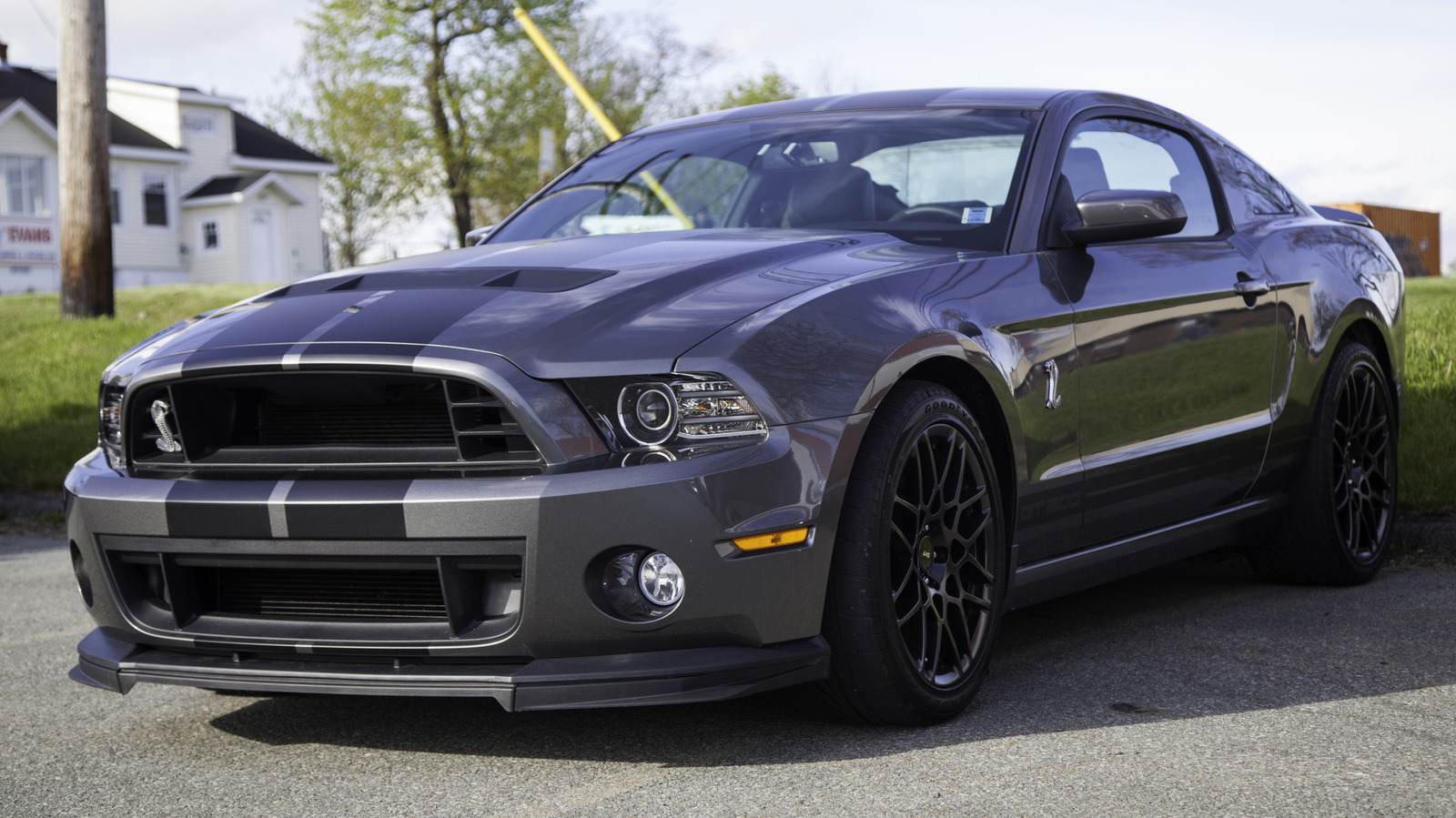
The 2013 Shelby GT500 arrived as the undisputed heavyweight of the muscle-car segment. Ford's supercharged 5.8-liter V8 produced 662 horsepower and 631 pound-feet of torque, establishing a power ceiling that seemed unbeatable at the time. The GT500 dominated showrooms and enthusiast forums alike. For two years, no American manufacturer dared challenge its throne.
Then Dodge threw a grenade into the conversation.
The 2015 Challenger SRT Hellcat arrived with a supercharged 6.2-liter HEMI V8 pumping out 707 horsepower and 645 pound-feet of torque. This was not incremental progress. Dodge did not merely match Ford's formula. The Hellcat obliterated it, delivering 45 additional horses and establishing a new performance baseline that forced the entire industry to recalibrate.
What made the Hellcat's arrival so consequential extended beyond raw numbers. Dodge priced the Hellcat aggressively, undercutting the Shelby GT500 while offering more power and practical value. The Hellcat came standard with a six-speed manual transmission, rear-wheel drive, and enough interior space to seat five adults comfortably. Buyers got a genuine American muscle car with modern reliability and warranty coverage. For enthusiasts, it represented impossible value.
The Shelby GT500, by contrast, catered to a narrower audience. Its $50,000-plus price tag positioned it as a premium performance machine. Ford engineered the GT500 with track capability in mind, offering independent rear suspension and advanced cooling systems. The GT500 was faster around a circuit. But on a straightline and in the minds of muscle-car purists, the Hellcat owned a visceral appeal that specs alone could not capture.
This moment marked a turning point in the muscle-car wars. For decades, Ford Mustang variants had set the performance standard. The original Boss 429 and 455 models of the 1970s, the 1980s Mustang SVO, and later iterations all carried the torch of American performance. The GT500 lineage traced directly to Carroll Shelby's legacy, a name carrying enormous weight among car enthusiasts.
Dodge's willingness to swing for the fences with the Hellcat signaled that the calculus had shifted. Raw power sold cars. Heritage mattered less than headlines. A manufacturer could topple an established champion by offering more horsepower for less money.
The competitive response came swiftly. Chevrolet's Camaro ZL1 arrived with 650 horses, then evolved further. Ford itself would eventually build the supercharged 5.2-liter Voodoo V8 for the 2024 Mustang Dark Horse, though output remained 500 horsepower. The arms race continued, but the Hellcat had reset everyone's expectations about what American muscle cars should deliver.
That 2015 Challenger SRT Hellcat fundamentally altered the trajectory of modern muscle cars. It proved that disruption trumps tradition, that value-conscious performance could dethrone established champions, and that buyers would choose sheer power and affordability over racing pedigree. The Shelby GT500 did not become obsolete, but it did become yesterday's news.