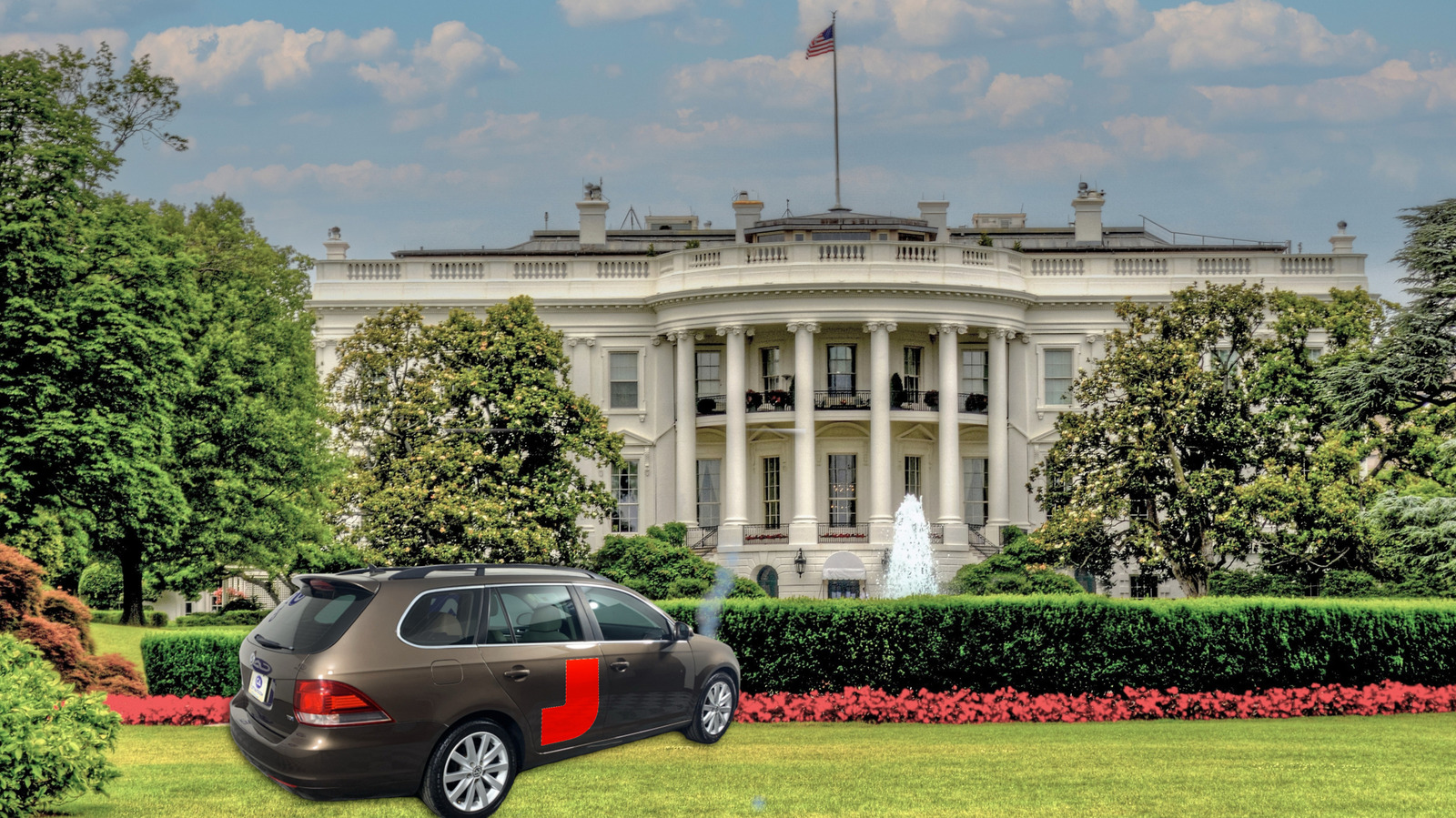
# Jalopnik Suspends White House Pool Coverage in Solidarity With Press Restrictions
Jalopnik, the automotive and culture publication owned by G/O Media, suspended its White House pool coverage in solidarity with Politico, CNN, and other news organizations protesting recent press access restrictions. The automotive site joined a broader coalition of media outlets challenging what they characterized as limitations on journalist access to official briefings and pool reporting.
The move reflects growing tensions between the current White House administration and the press corps over transparency and access protocols. Pool coverage represents one of the primary mechanisms through which media outlets rotate coverage responsibilities at the White House, pooling resources to ensure continuous reporting on presidential activities.
Jalopnik's decision to suspend participation carries symbolic weight beyond automotive journalism. While the publication primarily covers cars, industry trends, and vehicle culture, it maintains press credentials and participates in general White House pool rotations. The suspension signals that even niche media outlets view press access as a foundational principle worth defending.
Politico, a top political news source, initiated the push back against what outlets described as overly restrictive pool practices. CNN and other mainstream news organizations quickly followed suit. Jalopnik's participation expanded the coalition beyond traditional political and broadcast media into the broader digital publishing ecosystem.
The specific restrictions triggering the protest remain linked to longstanding debates over what constitutes fair pool access, rotation protocols, and the breadth of outlets permitted to participate. White House administrations have historically manipulated these mechanisms to favor friendly outlets or restrict less sympathetic coverage. Previous administrations faced similar criticism from press advocacy groups including the Reporters Committee for Freedom of the Press.
For automotive journalists and industry observers, the suspension highlights how white house access affects cross-sector reporting. Automotive news outlets sometimes cover policy announcements affecting the industry, emissions standards, EV incentives, trade policy, and infrastructure investments. These issues carry direct financial impact on manufacturers and consumer purchasing decisions.
The broader pattern suggests renewed friction over press freedom and administrative transparency. Recent years saw increasing fragmentation of the traditional press pool as administrations granted exclusive access to preferred outlets while constraining others. Digital-native publishers like Jalopnik operate in a contested space where legitimacy as "real" news organizations remains periodically challenged by government officials.
By joining the protest, Jalopnik asserted that media integrity matters across all coverage categories. The publication's willingness to sacrifice White House access, however intermittent, sends a message that principled journalism transcends vertical specialization. An automotive publication defending broader press freedom principles underscores that access restrictions affect the entire media ecosystem.
The suspension remains in effect pending resolution of the underlying access disputes. Other outlets may follow suit, potentially expanding the coalition and increasing pressure on the administration to reverse or modify restrictive policies. How long Jalopnik and peer organizations maintain their suspension depends on whether the White House addresses the underlying concerns about pool participation and press access standards.