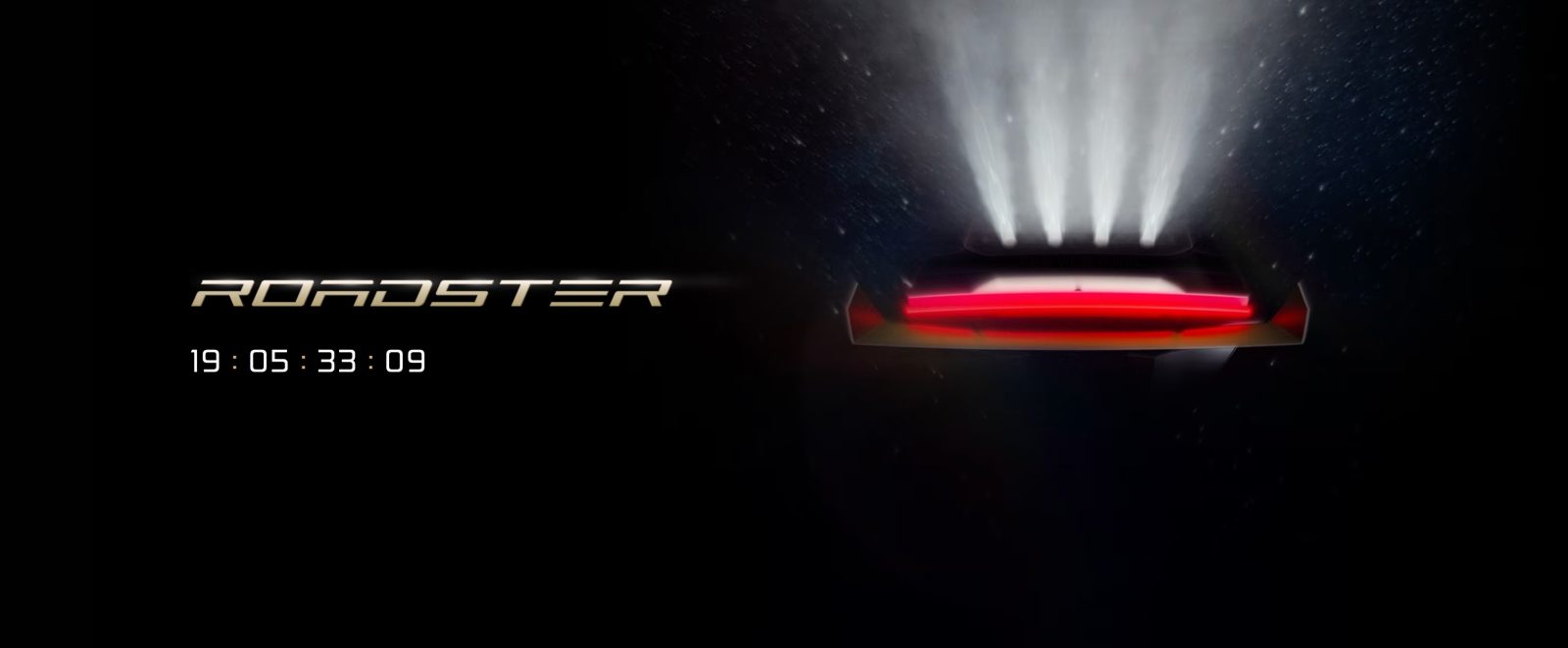
Tesla has reopened reservations for its next-generation Roadster, demanding a $50,000 deposit just two weeks before the vehicle's official unveil on October 1 near Waco, Texas. The move marks the second time the automaker has collected this substantial reservation fee for the Roadster, raising questions about delivery timelines given that the first wave of deposit-holders from nearly nine years ago still awaits their vehicles.
The timing is aggressive. Tesla announced the reservation window this week, giving potential buyers minimal time to commit before the reveal event. The $50,000 deposit requirement is substantial, positioning the Roadster as a premium offering even before its specifications become public. This approach reflects Tesla's confidence in demand for the vehicle, though it also underscores the company's track record of collecting deposits years before actual delivery.
The original Roadster reservation wave opened in 2017 following Elon Musk's announcement of the next-generation sports car. Nearly a decade later, those early deposit-holders remain in limbo, waiting for production to begin. Tesla has offered little clarity on delivery timelines, making the decision to reopen reservations now somewhat controversial. Some original reservation holders have grown frustrated with extended delays, prompting questions about whether Tesla is prioritizing other programs like the Cybertruck and Semi over the Roadster.
The Roadster positions itself as Tesla's flagship performance vehicle. The company has previously promised supercar-level acceleration, claiming a 0-60 time under two seconds and a top speed exceeding 250 mph. Range expectations hover around 600 miles, though final specifications remain unconfirmed ahead of the October 1 reveal. Pricing details beyond the deposit structure have not been disclosed, though industry estimates suggest the finished car will command $200,000 or more.
This second reservation push signals Tesla's intention to gauge continued demand for the Roadster while building a financial cushion through deposits. The automaker has used this model successfully with other vehicles, collecting reservation fees that effectively finance development and tooling costs. However, the extended wait for first-generation reservations casts doubt on Tesla's ability to deliver at scale.
Competition in the electric sports car segment has intensified since 2017. Porsche introduced the Taycan, offering performance and range at premium price points. Lotus developed the Eletre, targeting the performance EV crossover space. Traditional automakers have accelerated electric performance development, potentially raising the bar that Tesla must clear with the Roadster.
The October 1 event near Waco will determine whether Tesla's next attempt at the Roadster meets customer expectations and justifies the extended wait. Specifications, pricing, production timeline, and delivery windows should finally emerge. For those holding original reservations, the reveal will indicate whether their nine-year wait nears its end or stretches further into the future.