# Seven Four-Cylinder Engines Built to Last Decades
Four-cylinder engines dominate modern automotive manufacturing for one simple reason: they deliver efficiency, affordability, and surprising durability when engineered correctly. Some manufacturers have perfected this formula so thoroughly that their four-pots achieve legendary status among mechanics and enthusiasts alike.
The article identifies seven four-cylinder engines that transcend normal reliability benchmarks and enter the realm of legendary longevity. These powerplants earn their reputation through millions of miles of real-world testing, owner testimonials, and repair shop data that reveals minimal catastrophic failures even at high mileage.
Four-cylinder engines hold inherent advantages over larger displacement engines. Fewer moving parts means fewer potential failure points. Simpler combustion chambers run cooler and put less stress on components. Lighter weight reduces overall stress on the engine block and supporting systems. These factors combine to create engines that can easily surpass 200,000 miles with basic maintenance, and the best designs routinely hit 300,000 miles or more.
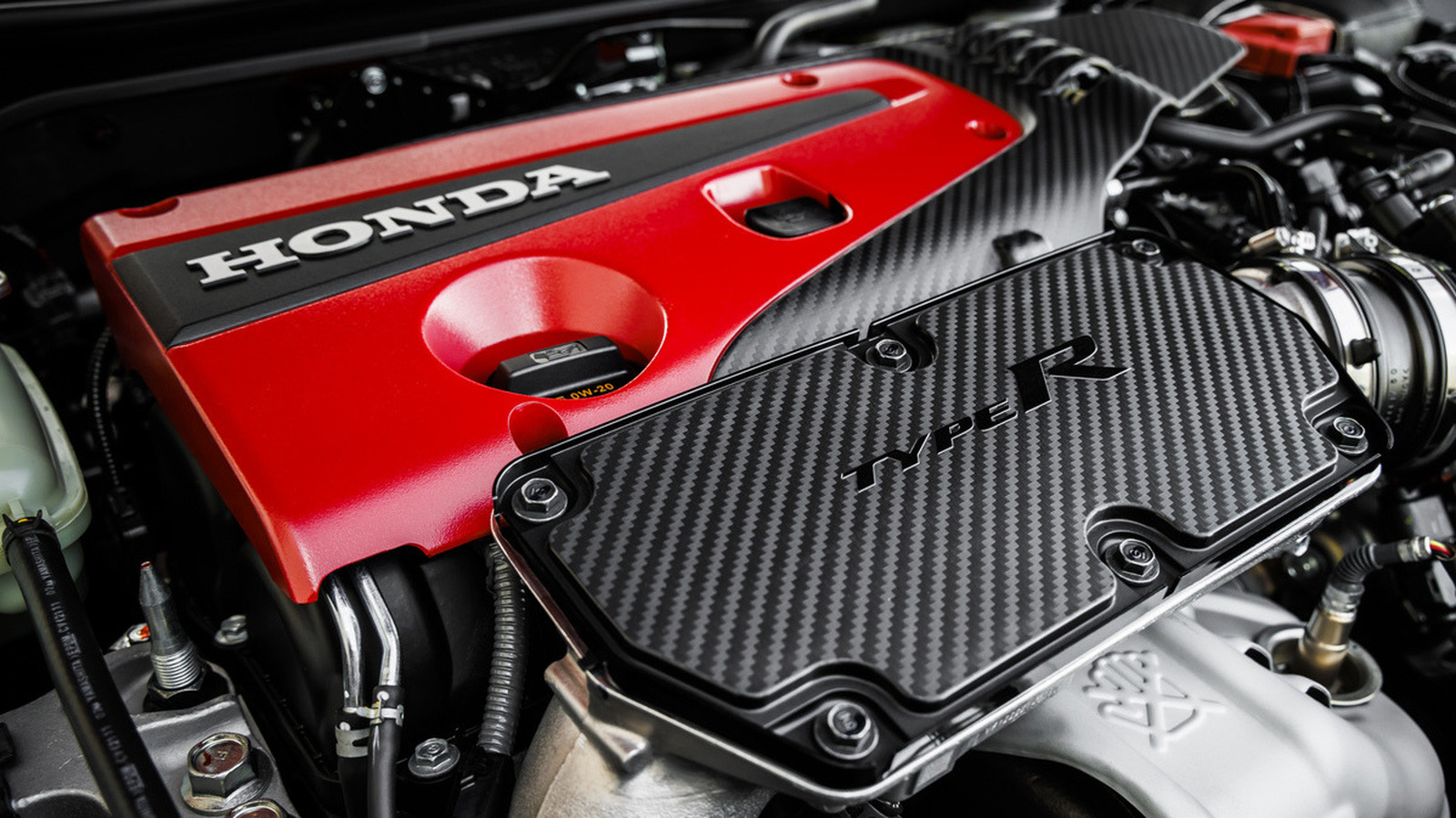
Honda engines consistently appear on durability lists, particularly the K-series and D-series powerplants found in Civic, Accord, and CRV models spanning decades. These engines benefited from Honda's engineering philosophy that prioritized long-term reliability over peak horsepower. Their tight tolerances and quality manufacturing standards allowed them to survive neglect better than competitors.
Toyota's four-cylinder offerings, especially the 5A-FE and 4A-GE engines, earned similar reputations for refusing to quit. The 2ZR-FE found in modern Corollas and Matrix models continues this legacy. Toyota's conservative power outputs and over-engineered internal components mean these engines rarely fail from metal fatigue or internal wear.
Subaru's EJ25 and EJ20 engines, despite occasional head gasket issues, remain popular in the used market precisely because owners know the rest of the engine will survive even botched repairs. Ford's Zetec engine became a phenomenon in tuning circles partly because it could handle modifications that would destroy rival platforms.
What separates these seven engines from merely "reliable" competitors comes down to margin. Manufacturers deliberately under-stressed these powerplants. Valve springs, piston rings, and crankshaft bearings ran cooler and faced lower loads than physics required. This conservative engineering philosophy disappeared as automakers chased emissions targets, fuel economy figures, and power outputs.
Modern turbo four-cylinders achieve impressive performance numbers but operate with smaller margins for error. Higher compression ratios, boost pressure, and direct injection demand premium fuel and meticulous maintenance schedules. Skip an oil change or ignore a service interval, and modern engines suffer consequences that vintage reliable engines absorbed without protest.
The seven engines highlighted represent a design philosophy that valued long-term ownership and minimal maintenance intervention. Owners who change oil every 3,000 miles and replace filters on schedule can expect these engines to outlive transmissions, electrical systems, and rust that claims the surrounding car long before internal engine failure.
This reliability thesis matters because it explains why used vehicles from the 1990s and 2000s continue commanding respectable prices. A 20-year-old Honda Civic with 180,000 miles seems like a bargain when owners understand the engine inside has another 120,000 miles of easy operation remaining.