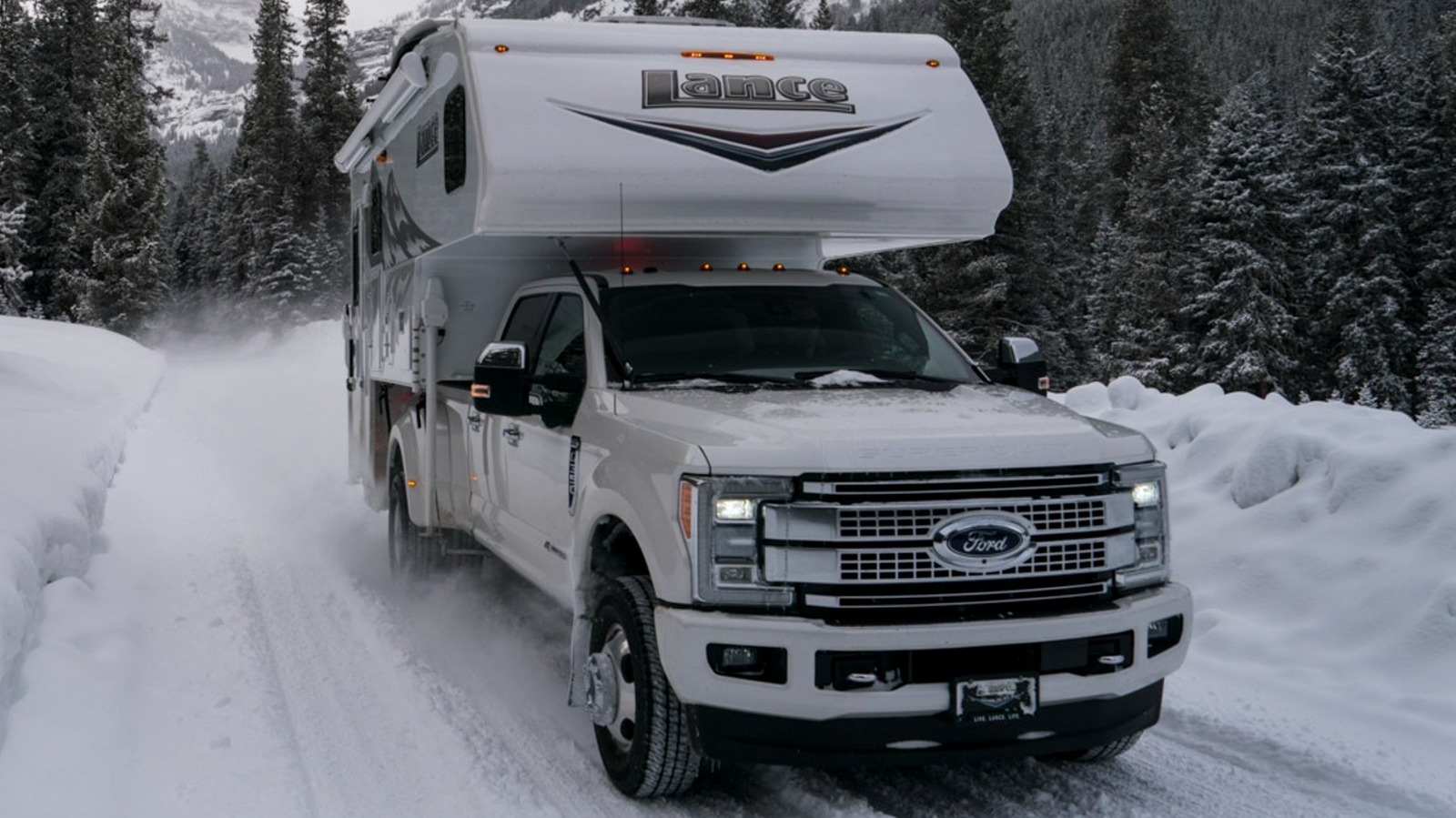
# Four-Season Campers Explained: Which Road Trippers Should Buy One
Four-season campers represent a distinct category in the recreational vehicle market. These rigs come equipped with reinforced insulation, heated water systems, and sealed plumbing lines designed to withstand freezing temperatures. The core appeal is straightforward: freedom to travel and camp during winter months without returning to permanent housing.
The construction standards that define four-season campers extend beyond basic insulation values. Manufacturers like Airstream, Winnebago, and Forest River build these units with heated holding tanks that prevent black and gray water from freezing. The furnace systems operate reliably in sub-zero conditions. Windows and doors feature thermal seals that minimize heat loss. Floor heating and pipe insulation address weak points that sink value and livability in three-season models.
The financial commitment matters here. Four-season campers command premiums of 15 to 40 percent over comparable three-season rigs. A standard fifth wheel trailer priced at $45,000 might cost $55,000 to $60,000 in four-season configuration. Smaller travel trailers and truck campers show similar markup patterns. This cost structure requires genuine cold-weather travel plans to justify the purchase.
Real-world usage determines whether the investment makes sense. Road trippers who avoid winter months entirely gain nothing from four-season capabilities. Those who chase ski resorts, winter festivals, or southern migrations benefit immediately. Full-time RVers who camp year-round see the added cost recouped through extended camping seasons and reduced hotel expenses during shoulder months.
Heating efficiency also varies by camper size and insulation quality. Larger fifth wheels and Class A motorhomes consume more propane to maintain livable temperatures during extended cold snaps. Smaller travel trailers and Class B vans require less fuel for heating, making winter camping more economical. This relationship between size and operating costs shapes the calculation for budget-conscious travelers.
Winter camping presents additional operational demands. Fresh water systems require protection through heat tape and pipe insulation. Sewer hoses freeze solid below 20 degrees Fahrenheit without supplemental heating. Electrical draw increases substantially when heating systems run continuously. RVers in true winter conditions must manage these systems actively rather than set-and-forget through summer months.
The three-season alternative remains viable for many travelers. Using storage strategies, temporary insulation upgrades, and careful campground selection allows three-season RVs to function adequately in mild winter climates. Southern Arizona, Florida, and Southern California present opportunities for extended travel without full four-season equipment. This approach costs less upfront but restricts destination flexibility.
Resale dynamics affect long-term ownership economics. Four-season campers hold value better in markets with strong winter tourism. A four-season fifth wheel in Colorado or Minnesota commands better prices than the same model in coastal California. Buyers in warm climates often view four-season features as unnecessary overhead.
The decision ultimately hinges on honest assessment of travel patterns and climate exposure. Serious winter wanderers who plan extended cold-weather trips find four-season campers essential. Casual RVers who prefer seasonal travel patterns save money with conventional three-season models. Regional climate, travel frequency, and budget constraints shape which category serves each buyer's actual needs.