# Historic Tobacco Racing Liveries Face Extinction Under Australian Health Regulations
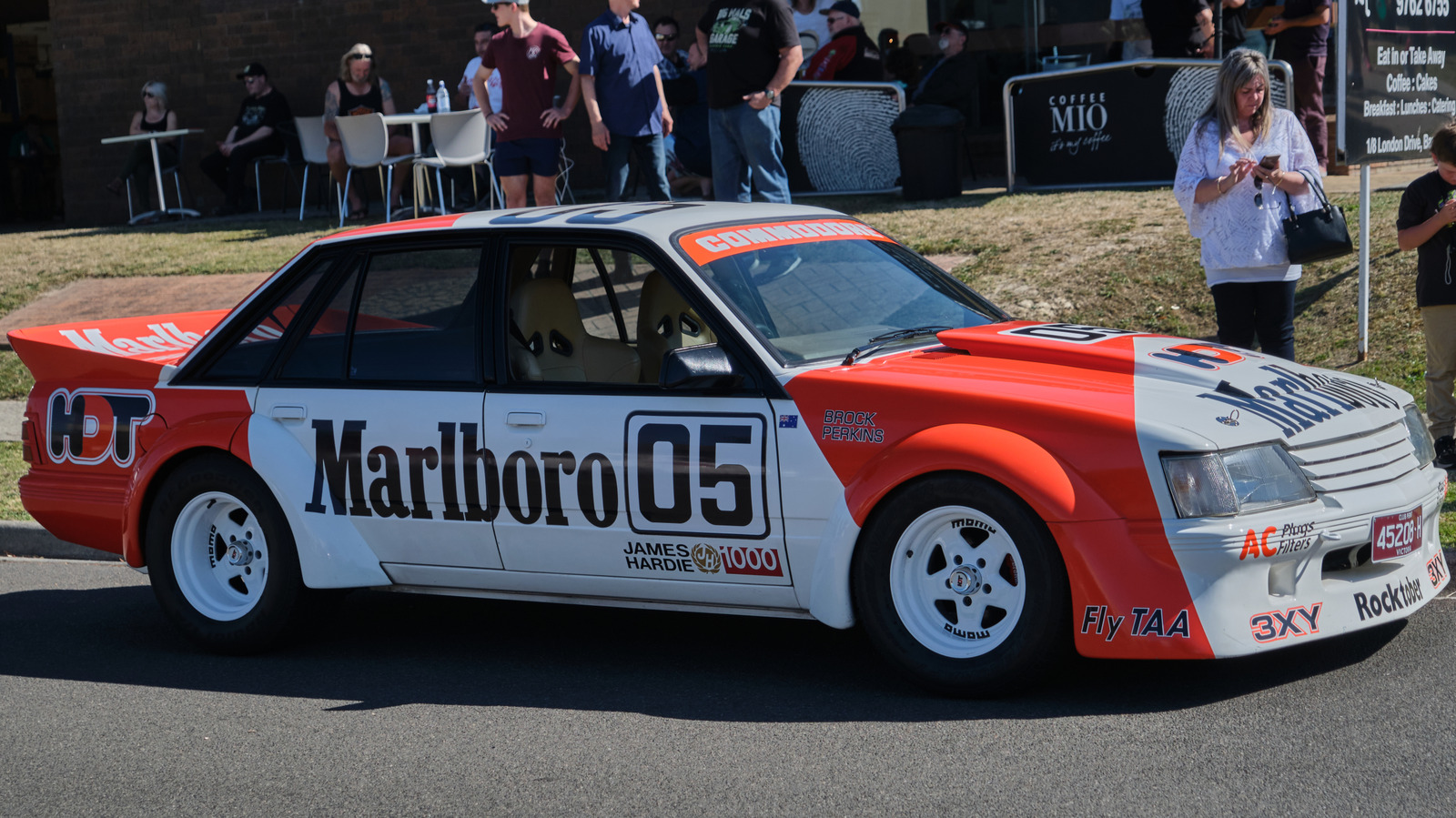
Motorsport Australia has tightened its rulebook on sponsorship visibility after Fox Sports blocked broadcast of a Touring Car Masters race scheduled for Sydney Motorsport Park in August. The incident exposed a collision between racing heritage and modern public health law that threatens to strip iconic liveries from competition.
Fox Sports refused to air the event because a competing vehicle carried tobacco-company branding. Under Australian law, tobacco advertising remains prohibited across broadcast media, creating an enforcement nightmare for television networks. Rather than risk regulatory violation, the network simply declined to cover the race. Motorsport Australia responded by modifying its own regulations to prevent similar blackouts in future events.
The rule change reflects a broader tension in motorsport globally. Tobacco sponsorship built the sport's commercial foundation for decades. Teams like Ferrari, McLaren, and Williams financed championship runs on cigarette money throughout the 1990s and 2000s. Legendary liveries, from Marlboro red to John Player Special black and gold, became as recognizable as the drivers wearing them. Historic racing categories like Touring Car Masters specifically celebrate that era of motorsport, fielding period-correct machines that raced in their original configurations.
But Australian law prohibits tobacco advertising in any form visible to broadcast audiences. This creates a legal paradox. A car can display tobacco branding at a track event. The moment a television network airs that event, it technically broadcasts prohibited advertising. Networks face regulatory penalties for airing such content, placing them in an impossible position when sanctioning bodies don't filter out these liveries.
Touring Car Masters occupies a unique position in racing. These cars represent authentic Australian motorsport history from the 1960s through early 2000s. Many vehicles carry original sponsor decals from their competition days. Forcing removal or modification of these liveries erases historical accuracy and documentary value. Collectors and enthusiasts view these cars as rolling museums of racing's past.
Motorsport Australia's regulatory tightening represents a practical compromise, though one that reshapes what spectators actually see at events. The organization now bears responsibility for screening liveries before broadcast events. Cars carrying visible tobacco branding face restrictions on television coverage or competition eligibility during televised rounds.
This precedent extends beyond Australia. Other nations with strict tobacco advertising laws face similar conflicts as streaming and broadcast coverage expand. The European Union, Canada, and several Asian markets maintain comparable restrictions. As motorsport seeks broader media distribution and sponsorship revenue, historic teams encounter increasing pressure to repaint cars or obscure heritage branding.
The regulatory change creates practical complications for Touring Car Masters specifically. Teams must either maintain separate livery versions for televised events, accept limited broadcast exposure, or repaint historically significant cars. Each option carries costs or compromises competitive authenticity.
Motorsport Australia's decision reflects how modern public health priorities can reshape motorsport's visual identity. The change protects broadcasters from legal jeopardy but diminishes the historical integrity of cars specifically preserved to celebrate racing's past. The result transforms Touring Car Masters from a living archive into a category subject to modernization requirements that conflict with its foundational purpose.