# 15 States Reject Red Light Cameras While Others Double Down on Automated Enforcement
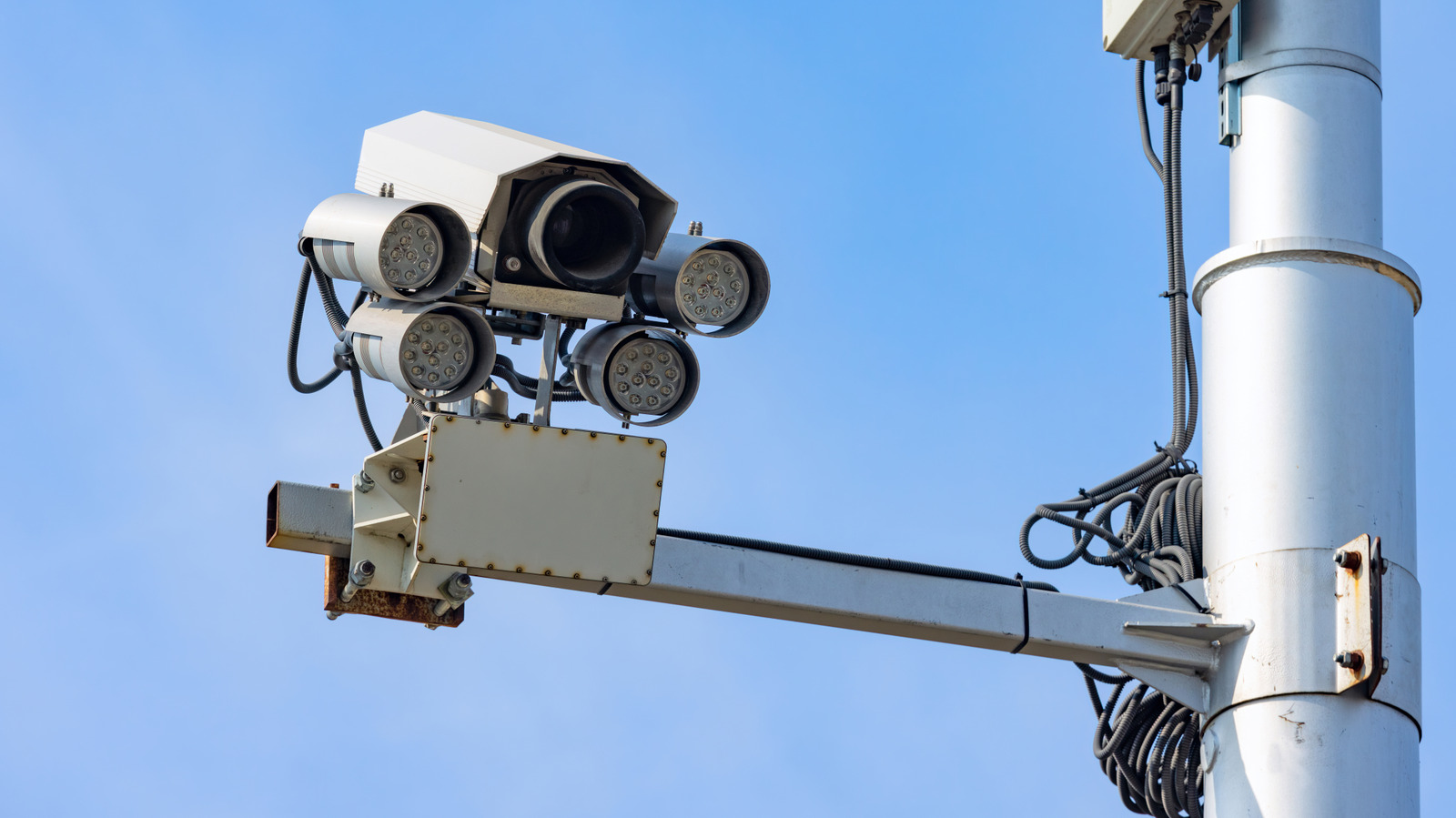
At least 15 states now explicitly prohibit or severely restrict red light camera programs, creating a fragmented landscape of traffic enforcement across America. Meanwhile, at least 22 states and Washington DC continue operating these automated systems, reflecting a fundamental split in how jurisdictions approach public safety and driver accountability.
Red light cameras represent one of the most contentious tools in modern traffic enforcement. Municipalities install them at intersections to photograph and ticket drivers who run red lights, typically generating revenue while theoretically reducing dangerous violations. But the technology has become politically polarized, with privacy advocates, driver rights groups, and lawmakers in nearly one-third of the nation actively fighting against the cameras.
States blocking red light cameras cite several overlapping concerns. Privacy advocates argue that automated ticketing creates extensive surveillance infrastructure without meaningful driver consent. Legal scholars question whether these systems meet due process requirements, particularly since drivers rarely get to confront accusers or challenge mechanical evidence in court. Liability questions also loom large. Some states worry that red light camera installations shift financial incentives toward revenue generation rather than genuine safety improvements, potentially encouraging shorter yellow light timings that benefit the ticketing system rather than driver safety.
The revenue question cuts both ways. Cameras generate substantial income for municipalities, which creates financial dependency on citations rather than engineering safer intersections. Cities in states where cameras remain legal often rely on these funds for road improvements, maintenance, and police budgets. Removing this income source requires alternative funding, a reality that complicates political arguments for abolishing the systems even in states where public opinion turns against them.
Technical reliability adds another layer of complexity. Red light camera accuracy depends on proper calibration, maintenance, and installation. Numerous investigations have documented cases where cameras malfunctioned or captured images that falsely indicated violations. Drivers in states like Arizona and California have successfully challenged thousands of citations based on equipment failures or improper setup.
For drivers, the practical effect remains straightforward. In states without cameras, running a red light carries the traditional consequence of traffic enforcement by law enforcement officers. In states with cameras, the system operates 24/7 without human judgment calls. A driver might escape a citation from an officer who exercises discretion but receives an automated ticket weeks later. Insurance companies in many states do not treat camera citations as moving violations, creating another variable in how enforcement affects driving records and premiums.
The trend suggests momentum building against red light cameras nationwide. Public sentiment increasingly questions their value, especially as dashcam footage and traffic cameras in general raise broader surveillance concerns. Even some cities in states that permit the cameras have voluntarily discontinued programs after finding that enforcement decreased without improving safety metrics or that community relations suffered more than safety outcomes improved.
For drivers planning routes across state lines or relocating, understanding local red light camera policies matters. The technology's future remains uncertain. Some states continue installing cameras while others phase them out. This patchwork enforcement approach reflects deeper disagreements about balancing public safety, privacy, revenue generation, and driver rights in an increasingly monitored transportation environment.