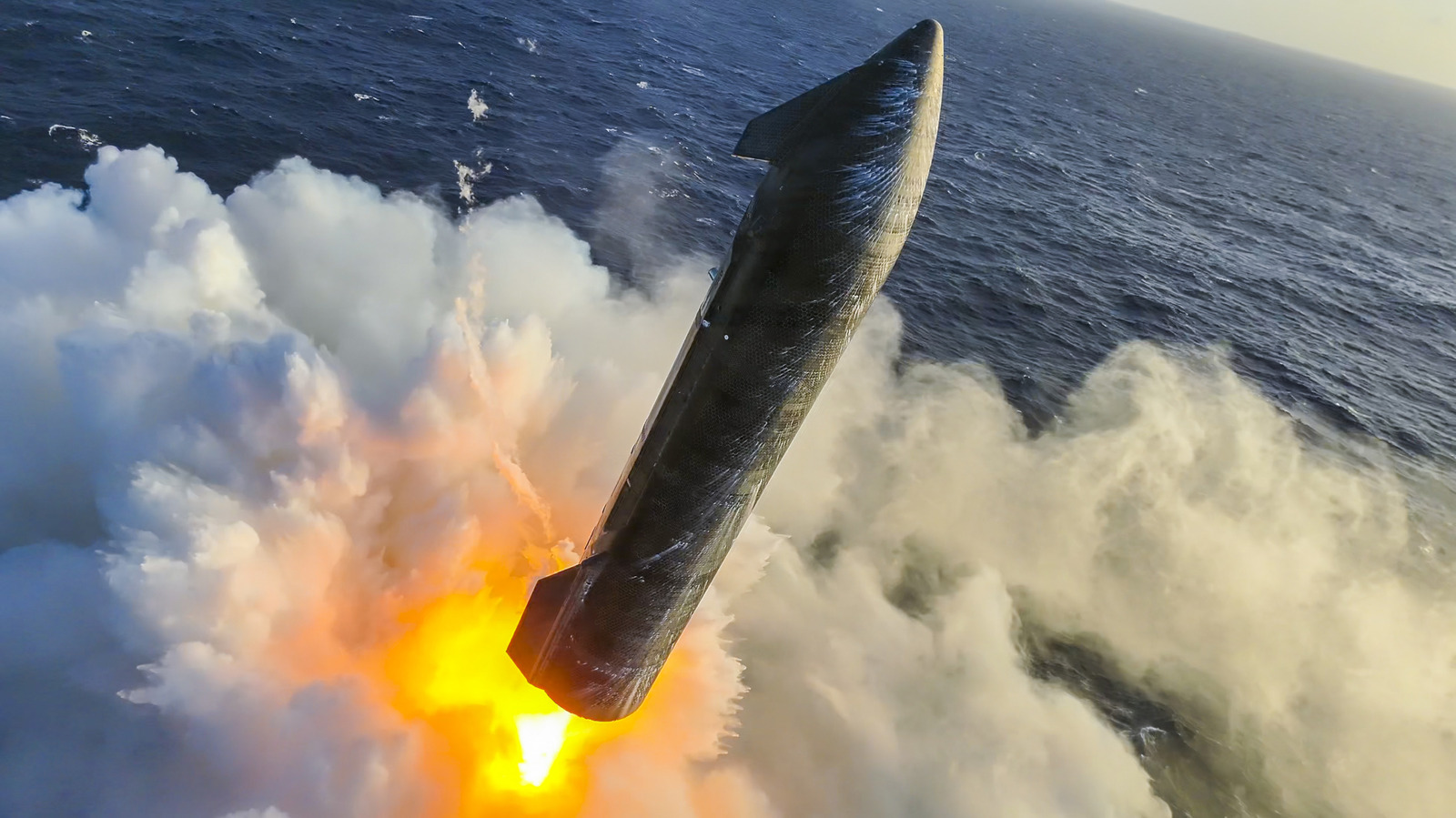
SpaceX closed reservations for Falcon 9 launches, signaling aggressive confidence in Starship as its future heavy-lift workhorse. The company stopped accepting new bookings for the veteran rocket, which has completed over 300 successful launches since 2015. This move reflects SpaceX's conviction that Starship will mature quickly enough to handle the commercial and government payloads that currently depend on Falcon 9.
The decision carries real stakes. SpaceX holds a NASA contract to develop Starship's Human Landing System for lunar missions under the Artemis program. The agreement requires operational capability by 2028. Missing that deadline exposes SpaceX to financial penalties and risks losing the lunar contract to competitors like Blue Origin and Dynetics. SpaceX has already invested billions in Starship development and faces mounting pressure to deliver results.
Falcon 9 has been the industry's most reliable heavy-lift rocket. Its reusable first stage consistently returns to Earth for reflight, driving down launch costs and establishing SpaceX's dominance in commercial spaceflight. Airlines and satellite operators book Falcon 9 flights a year or more in advance. Other government agencies depend on it for national security missions. Closing the manifest essentially signals that SpaceX believes Starship will absorb all future demand.
This gamble hinges on rapid Starship development. The vehicle completed five integrated flight tests as of early 2024, with each iteration achieving incremental progress toward full orbital capability. SpaceX targets full reusability, which would slash launch costs further and enable the high flight cadence necessary to serve both commercial and government customers. Starship's payload capacity far exceeds Falcon 9, making it attractive for large satellite constellations and deep-space missions.
The timing matters. SpaceX's Starlink constellation expansion demands frequent launches to maintain and grow its satellite network. Competitors like Amazon and OneWeb also launch constellations. If Starship delays beyond 2027, SpaceX loses launch slots to rivals and misses revenue opportunities. The company has also pitched Starship to the U.S. Space Force for national security launches, contingent on proven reliability.
Industry observers view the reservation closure as either visionary or reckless depending on Starship's development pace. If Starship reaches operational status by 2026, SpaceX gains a monopoly on large-payload launches and captures enormous market share. If development stalls, SpaceX faces a capacity crunch with no Falcon 9 backlog to fall back on. Other launch providers like United Launch Alliance and Arianespace would capture displaced demand.
The decision also signals to investors that SpaceX leadership sees Starship as inevitable. Elon Musk has publicly stated that Starship represents SpaceX's core long-term strategy. Mars missions, point-to-point hypersonic Earth travel, and sustained lunar operations all depend on Starship's success. Closing Falcon 9 reservations puts institutional weight behind the bet.
Existing Falcon 9 customers with booked flights retain their slots. SpaceX will continue launching Falcon 9 for those commitments. The halt to new reservations simply prevents additional orders from entering the queue. This approach avoids the public relations damage of canceling scheduled missions while freeing engineering and production capacity to focus on Starship.
SpaceX has wagered its near-term revenue and long-term credibility on Starship's maturation within four years. The company's track record with Falcon 9 proves execution capability, but Starship represents an order-of-magnitude increase in complexity. Success delivers dominance. Failure creates a genuine crisis.