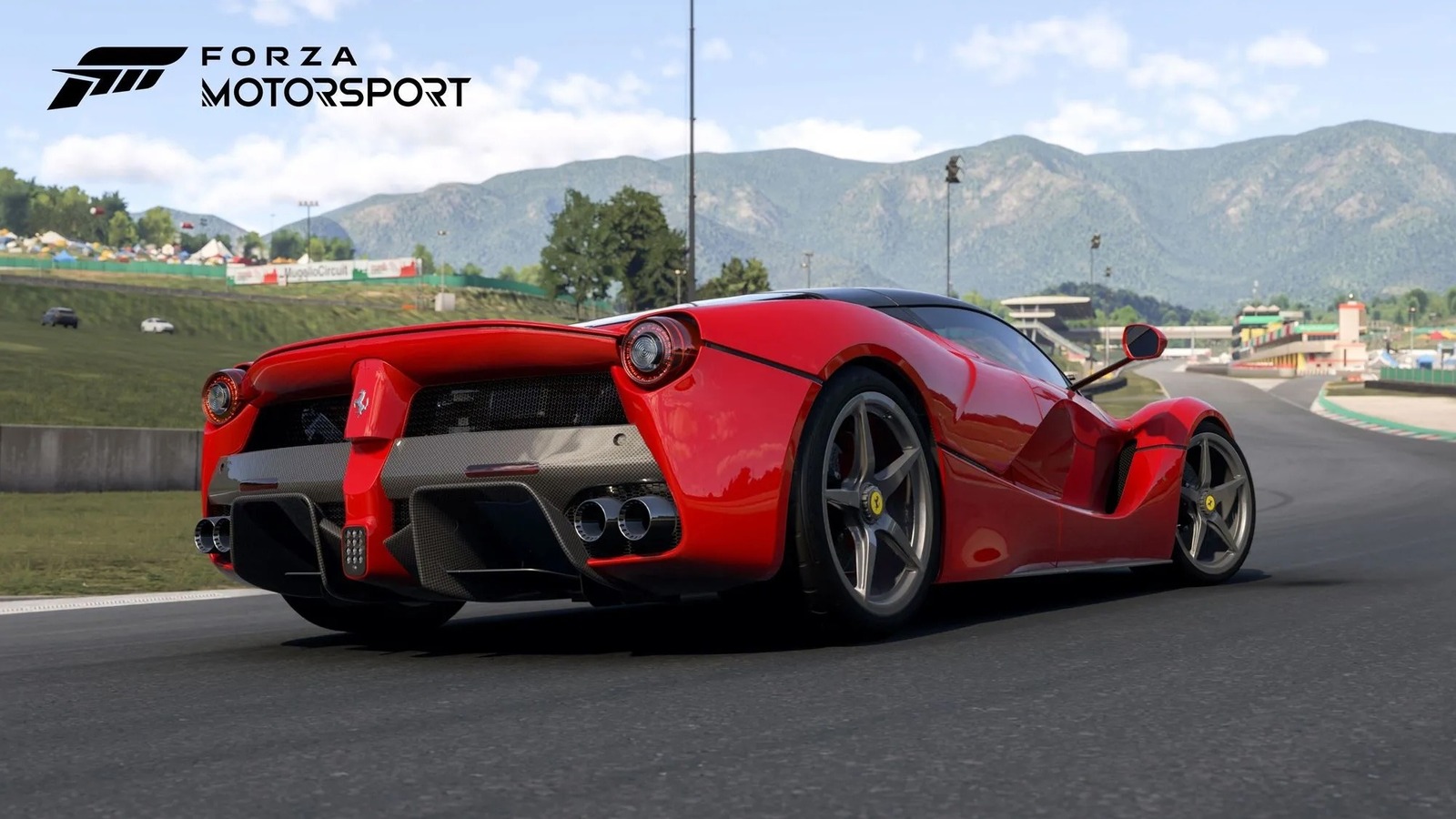
Microsoft's restructuring of its gaming division signals the end of an era for serious racing simulation. Playground Games and Turn 10 Studios, the separate teams behind Forza Horizon and Forza Motorsport respectively, are consolidating into a unified studio. This merger essentially kills Forza Motorsport as an ongoing series.
Turn 10 Studios launched the original Forza Motorsport in 2005 on Xbox 360, establishing the franchise as Microsoft's answer to Gran Turismo. For two decades, the series thrived as a dedicated racing sim with deep tuning mechanics, licensed cars, and track variety. Forza Motorsport's last major release came in 2023, delivering an extensive roster of vehicles and refined handling physics. Now that effort stops.
The merged entity will concentrate on two franchises: Forza (the entire Forza brand, which includes both the Horizon open-world series and the traditional circuit racing sim) and Fable, Microsoft's fantasy RPG. This reallocation of resources leaves no dedicated team for Forza Motorsport's continued development. Microsoft is essentially betting that Forza Horizon, the open-world street racing series, captures the entire racing audience it needs.
Horizon always occupied a different market position than Motorsport. Horizon prioritizes accessibility and spectacle. Motorsport targets enthusiasts who demand authentic sim handling, extensive customization, and competition-focused design. Racing fans have long debated whether one series could truly replace the other. This merger settles that debate by abandonment.
The racing game landscape narrows considerably without active Forza Motorsport development. Gran Turismo 7 remains PlayStation's exclusive racing sim. iRacing dominates online simulation racing for hardcore competitors. The mid-market space for console-based, approachable yet sophisticated racing gets thinner. Project CARS and Assetto Corsa Competizione exist on PC, but neither commands console presence like Forza once did.
This move reflects Microsoft's gaming strategy shift. The company has prioritized Game Pass subscriptions and live-service titles over maintaining multiple franchises within similar genres. Supporting both Forza Motorsport and Forza Horizon requires duplicate infrastructure, separate balance updates, and competing player bases. One franchise generates more engagement than two split audiences.
Playground Games originally developed Forza Horizon 5, which launched in 2021 to critical acclaim and remains one of Xbox's strongest exclusive titles. Combining Playground's creative strengths with Turn 10's technical racing expertise theoretically positions the merged studio well. However, merging teams historically creates disruption. Talented developers leave. Institutional knowledge scatters. Production timelines slip.
Microsoft hasn't announced plans for a new Forza title under the consolidated team. That silence speaks volumes. The company faces pressure from Game Pass economics and investor demands for profitability. Maintaining a dedicated racing sim that cannibalizes Horizon's players doesn't fit that calculus.
Racing game players now face a genuine void. Those seeking serious simulation on Xbox have no native option. Forza Motorsport's elimination leaves iRacing, rFactor 2, and PC-exclusive sims as the only serious contenders for sim racers. Meanwhile, Forza Horizon will likely absorb whatever racing content Microsoft produces next, moving further toward arcade-style gameplay that prioritizes enjoyment over authenticity.
The merger represents consolidation masquerading as optimization. Microsoft is choosing breadth over depth, and the racing simulation community loses out.