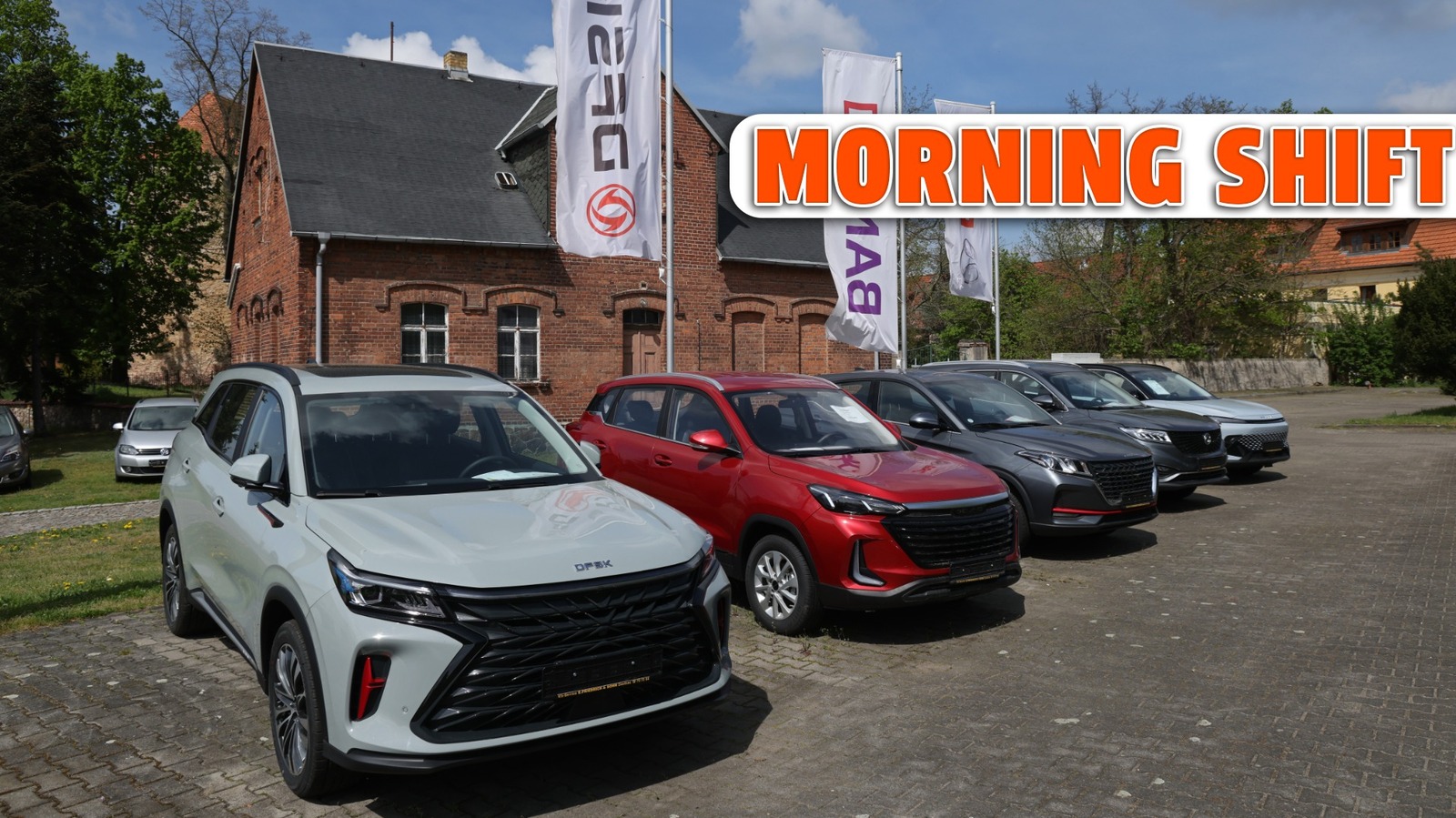
Chinese automakers are flooding European markets with affordable electric vehicles and gas-powered cars, prompting U.S. senators to move toward protective legislation before similar penetration occurs stateside. The surge reflects both Chinese manufacturing advantages and a strategic gap in American EV affordability that domestic makers have yet to address.
Brands like BYD, Li Auto, and Nio have gained traction in Europe by undercutting Tesla and traditional European manufacturers on price while matching or exceeding their technology. BYD now ranks as the world's largest EV maker by volume. European dealers report robust demand for Chinese models, particularly in markets like Norway, Germany, and the UK. The speed of this expansion alarmed Washington policymakers, triggering discussions about tariffs and import restrictions before Chinese brands establish dealer networks and brand loyalty in America.
The concern runs deeper than simple competition. Chinese manufacturers benefit from state subsidies, lower labor costs, and integrated battery supply chains that give them structural cost advantages. They also operate without the legacy pension obligations and union labor agreements that burden American and European legacy automakers. Senators worry that unrestricted Chinese entry into the U.S. market could devastate domestic EV production just as American companies ramp up manufacturing to meet climate goals and compete globally.
Meanwhile, traditional automakers face their own pressures. Mercedes-Benz announced plans to slash over $900 million in labor costs across its German operations, reflecting the brutal margin compression that electrification brings. German plants employ thousands of workers and operate under strict union contracts, making cost-cutting complicated. Mercedes joins Volkswagen, BMW, and Audi in announcing significant headcount reductions and facility consolidations. The transition away from internal combustion engines reduces the complexity and labor intensity of vehicle assembly, leaving German manufacturers with overcapacity and high fixed costs.
Honda takes a different approach, investing $2.5 billion in a new assembly plant in Ohio. The facility will build both EVs and internal combustion vehicles, hedging Honda's bet on how fast American consumers actually adopt electrification. The Ohio investment also positions Honda favorably under U.S. tariff rules and EV subsidies that reward domestic manufacturing. Japanese automakers learned from the 1980s trade battles that establishing local production capacity shelters them from import restrictions and currency fluctuations.
These three developments sketch the fault lines reshaping the global auto industry. Chinese makers drive prices down through vertical integration and state support. European manufacturers face painful restructuring while politicians debate how to protect them. American companies and foreign investors like Honda hedge their bets by building stateside capacity that qualifies for federal incentives.
The protectionist impulse in Washington reflects real anxiety about Chinese dominance in batteries and EVs. Yet tariffs alone won't fix American manufacturers' cost structure or accelerate their EV competitiveness. Detroit needs to match Chinese efficiency, reduce its own labor costs, or develop products compelling enough to command premium pricing. Without those shifts, import barriers simply delay the reckoning.