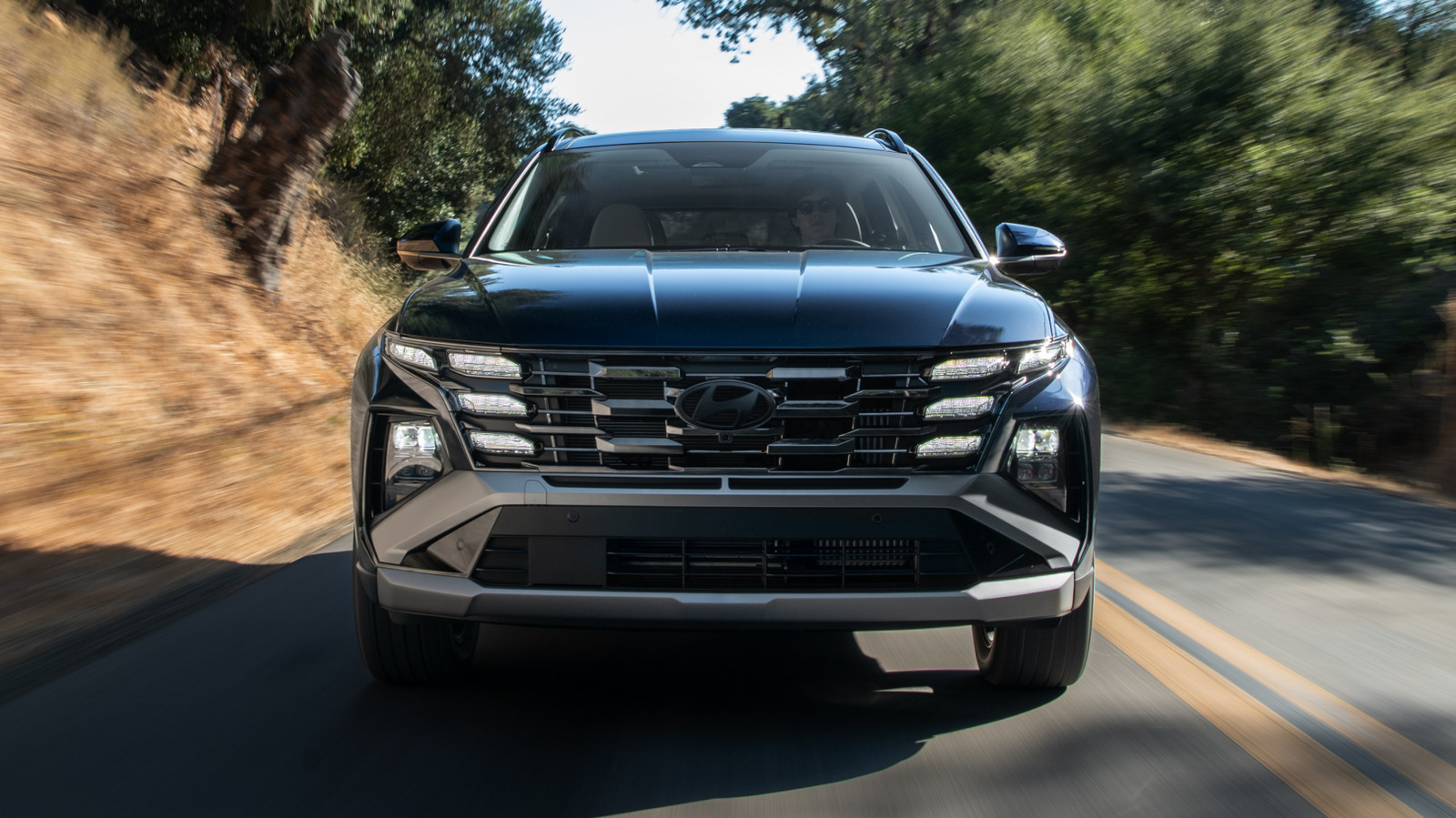
Hyundai stands poised to overtake Ford in quarterly sales for the first time in the South Korean automaker's history, a milestone that reflects the dramatic reshuffling of America's automotive hierarchy over the past decade.
The achievement hinges substantially on Hyundai's aggressive hybrid strategy. While Ford remains heavily dependent on truck and SUV sales, Hyundai has built a comprehensive lineup of electrified vehicles across multiple segments. This diversification gives Hyundai flexibility in a market where consumer preferences shift rapidly based on fuel prices and environmental concerns.
Ford's traditional strength in full-size trucks and large utility vehicles no longer guarantees market dominance. The F-Series pickup truck remains America's best-selling vehicle, but that single segment no longer carries enough weight to maintain Ford's historical sales superiority against competitors with broader portfolios. Ford's electric vehicle transition, while underway with models like the Mustang Mach-E and F-150 Lightning, has not yet generated the volume needed to offset slower traditional vehicle sales.
Hyundai's hybrid offerings span compact sedans, midsize crossovers, and larger SUVs. Models like the Sonata Hybrid and Santa Fe Hybrid deliver fuel economy advantages without requiring the dealer infrastructure, charging network accessibility, or consumer acceptance challenges of fully electric vehicles. This positions Hyundai perfectly for the current market moment, where hybrids serve as a bridge technology for buyers not yet ready for full electrification.
The brand's value proposition strengthens this sales momentum. Hyundai prices aggressively against Japanese competitors like Honda and Toyota while offering superior warranty coverage. Ten-year or 100,000-mile powerplant warranties give buyers confidence in hybrid reliability, a category where consumer perception still lags traditional gasoline engines.
Ford faces structural headwinds beyond product mix. The automaker continues working through supply chain challenges and manufacturing transitions. Shifting production capacity from internal combustion engines to electric platforms requires massive capital investment and operational disruption. General Motors faces similar pressures, yet both legacy automakers move deliberately to avoid stranding dealer networks and supply chains dependent on traditional vehicle architecture.
This sales crossover reflects broader industry consolidation. Tesla, despite much smaller volume, commands a market valuation exceeding Ford and General Motors combined. Chinese manufacturers like BYD now sell more vehicles globally than Tesla and Ford together. Meanwhile, Korean brands Hyundai and its luxury subsidiary Genesis have captured market share through product quality improvements, warranty confidence, and strategic electrification timing.
Ford still generates substantial profit from its remaining truck dominance and commercial vehicle sales. Quarterly sales volume tells only part of the profitability story. However, the psychological significance of Hyundai's potential achievement cannot be overstated. For decades, Ford ranked among the "Big Three" American automakers alongside General Motors and Chrysler. Hyundai surpassing Ford represents a genuine power shift in global automotive manufacturing.
The trend appears durable rather than temporary. Hyundai's hybrid pipeline remains robust, and the company continues introducing new models and refreshing existing ones. Unless Ford dramatically accelerates its electrification timeline and market adoption, Hyundai's sales leadership likely persists beyond this quarter.