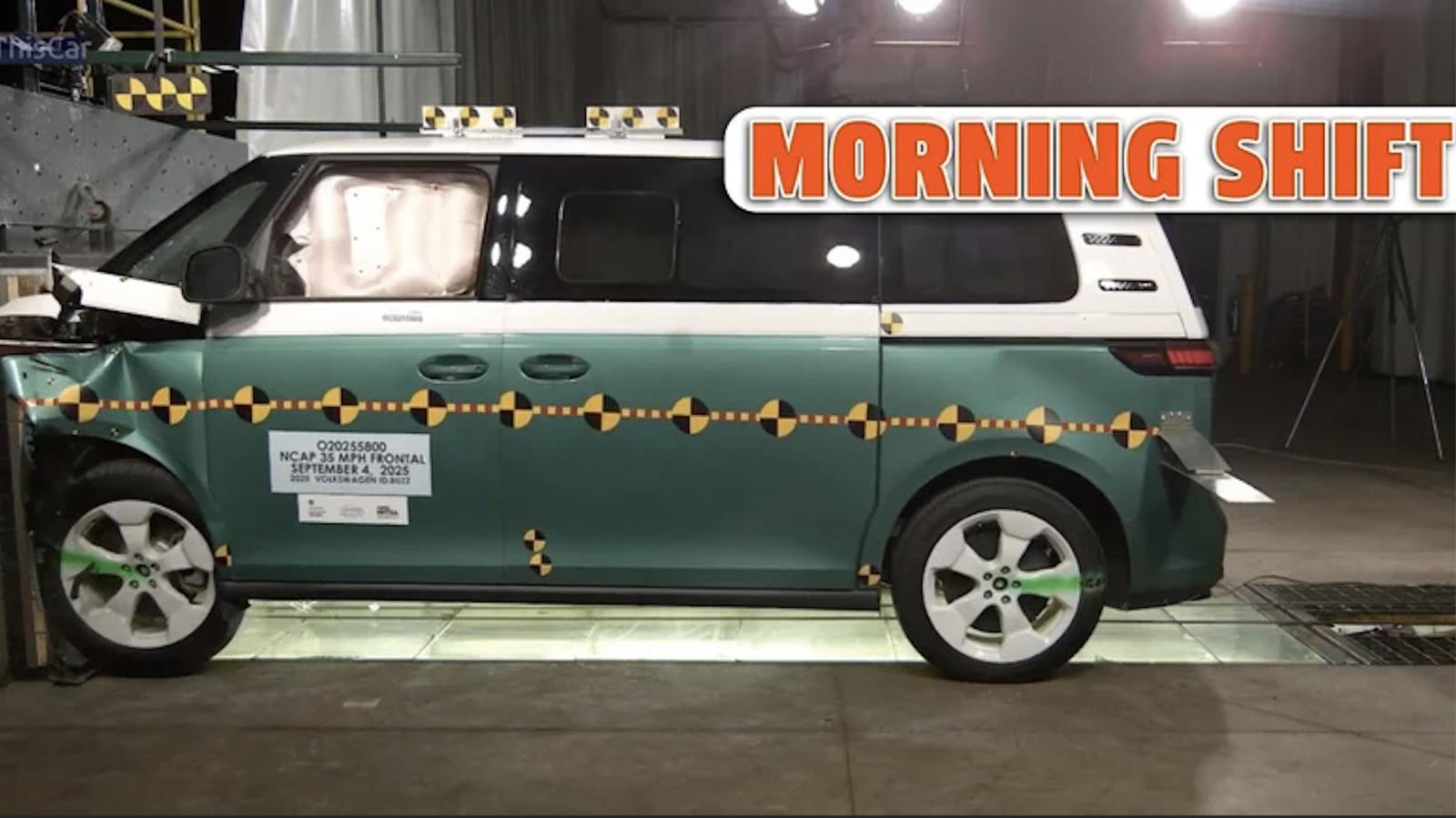
Volkswagen has postponed the launch of the ID Buzz electric van in the United States until the 2028 model year, marking another setback for the German automaker's American electric vehicle ambitions. The delay pushes back the company's return to the U.S. market with its iconic microbus revival by approximately two years from earlier projections.
The ID Buzz represents VW's most nostalgic and culturally resonant EV offering, built on the MEB platform that powers the ID.4 and ID.5 crossovers already selling in America. The van combines retro aesthetics with modern electric powertrain technology, targeting buyers seeking adventure-focused family transportation with zero emissions. VW originally targeted a 2024 debut for the U.S. market, then revised that to 2025, and now faces another calendar slip to 2028.
Multiple factors contributed to the delay. Manufacturing capacity constraints at VW's Hanover, Germany facility required prioritization of higher-volume markets, particularly Europe where the ID Buzz launched in 2023. Supply chain pressures, semiconductor shortages that plagued automakers globally, and the complexity of certifying a new vehicle platform for American regulatory standards all played roles. Additionally, VW faced internal resource allocation decisions as it simultaneously ramped ID.4 production and developed next-generation platforms.
The delay illustrates broader challenges facing legacy automakers transitioning to electric vehicles. VW committed to becoming a top three global EV player by 2030, but execution gaps have hampered that timeline. The ID.4 remains the company's primary volume play in America, competing directly with Tesla Model Y, Hyundai Ioniq 5, and the recently launched Cadillac Lyriq. By the time the ID Buzz arrives in 2028, it will encounter a crowded electric van and MPV segment that hardly existed when the project began.
In separate news, Tesla achieved a long-awaited milestone by beginning customer deliveries of the Semi electric truck. The move concludes years of development delays and refinement. Tesla originally announced the Semi concept in 2017, with initial production timelines slipping repeatedly. Early deliveries appear limited, with availability concentrated among existing partners like PepsiCo. The Semi promises substantial operating cost advantages over diesel Class 8 trucks through lower energy costs and reduced maintenance expenses. However, the vehicle's real-world viability depends on developing adequate charging infrastructure along major freight corridors and proving reliability across diverse fleet operations.
Tesla's Semi entry threatens traditional heavy-duty truck manufacturers including Volvo, Daimler, and Paccar, which are accelerating their own electric truck programs. Volvo has committed to selling only electric trucks by 2040, while Daimler's eActros reaches European customers now. These manufacturers possess established dealer networks, service infrastructure, and buyer relationships that provide competitive advantages against Tesla's direct-to-consumer model.
The VW ID Buzz delay and Tesla Semi deliveries reflect the EV transition's uneven progress. While Tesla proves its ability to deliver revolutionary products despite manufacturing challenges, traditional automakers struggle balancing legacy business protection with electric transformation. The ID Buzz delay costs VW precious market share during the critical 2025-2027 window when EV adoption accelerates. By 2028, the van market landscape will differ substantially from today's projections.