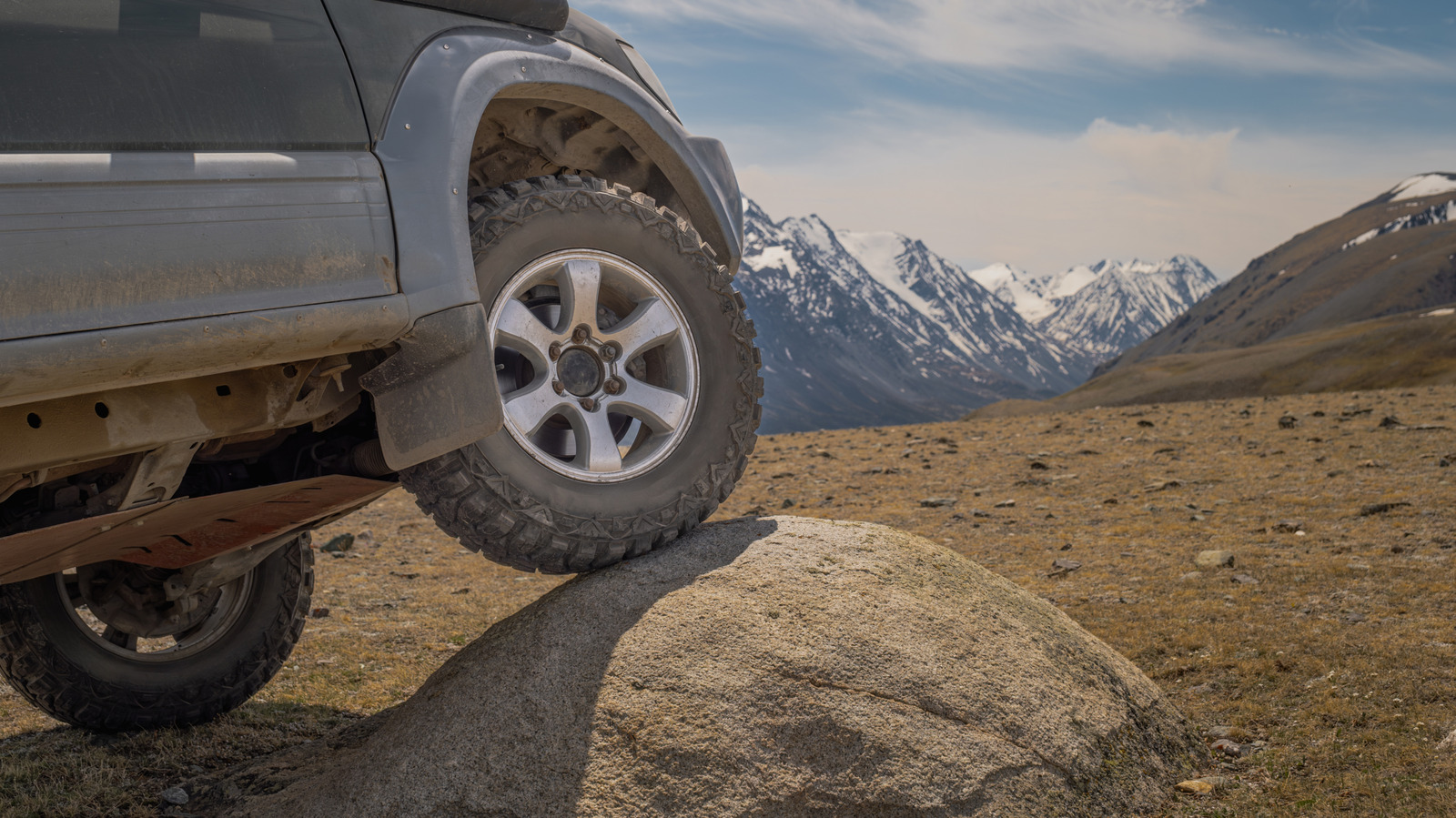
Ground clearance matters for off-road vehicles, but it's just one piece of a much larger puzzle. Drivers hunting for serious trail capability need to understand what clearance actually does and what it cannot do alone.
Ground clearance is the distance between the lowest point of a vehicle and the ground beneath it. For off-road SUVs, this measurement directly affects how likely a truck can clear rocks, logs, and terrain obstacles without damage to the undercarriage. A vehicle with nine inches of clearance will traverse rougher terrain more confidently than one with six inches. The math here is straightforward.
But clearance alone won't make a mediocre SUV into a trail conqueror. Think of it this way: a tall vehicle with a long wheelbase and minimal suspension articulation will still hang up or belly out when crossing steep terrain, despite the extra height. The Jeep Wrangler Unlimited remains the off-road benchmark not just because of its 10.3 inches of clearance but because of its short wheelbase, removable doors, open design, and factory lockers that let drivers engage both axles simultaneously.
Approach angle, departure angle, and breakover angle matter just as much as ground clearance. These angles describe how steeply a vehicle can tackle obstacles without the front bumper, frame, or rear overhang digging in. A truck with modest clearance but excellent angles and proper suspension geometry will outperform a taller vehicle with poor proportions.
Suspension travel defines real-world performance. A vehicle needs to compress and extend smoothly over uneven ground. Factory suspensions on most body-on-frame SUVs don't compress enough to keep all four wheels planted simultaneously over rocks and ruts. Aftermarket upgrades like Fox shocks or Old Man Emu springs let wheels articulate independently, maintaining traction where stock setups bind up. The Ford Bronco arrives with more wheel travel than most competitors, making it genuinely capable despite clearance numbers that don't lead the class.
Tire selection shapes capability more than drivers often realize. A 33-inch all-terrain tire with aggressive sidewalls grips rock and rut better than a 35-inch highway tire on a vehicle with superior geometry. Bead-lock wheels, tire deflation systems, and lower tire pressure adapt grip to conditions. Many owners spend more on tires and suspension than on the initial vehicle purchase.
Weight distribution and center of gravity affect rollover risk and handling on steep slopes. Lighter vehicles with better weight distribution climb and descend hills more controllably. This is why purpose-built off-road machines like the Toyota Land Cruiser or Defender excel where heavier luxury SUVs struggle, despite similar clearance specs.
Locking differentials and transfer case options determine whether power reaches the wheels that grip. A vehicle can have 12 inches of clearance and still remain stuck on a muddy slope without electronic or mechanical locking. Both front and rear differentials need to lock for serious terrain.
The Jeep Wrangler, Toyota 4Runner, Land Rover Defender, and Ford Bronco lead the market partly because manufacturers engineer these vehicles holistically. Clearance, angles, suspension, durability, and control all work together. New buyers fixating only on the ground clearance number will miss crucial details that actually determine trail performance and safety.