# Hunting Bargains in Today's Used Car Market: Real Deals Still Exist
Used car prices remain historically elevated across most segments, yet savvy buyers continue to find genuine steals in the market. The gap between retail and actual transaction prices has widened enough that patient shoppers can still negotiate meaningful discounts, particularly as dealer inventory normalizes and competition increases among sellers.
The used vehicle landscape shifted dramatically from pandemic-era shortages. Auction data now shows more vehicles rotating through inventory, and dealerships face pressure to move stock rather than hold inventory at peak valuations. This creates genuine opportunities for buyers willing to time their purchases strategically and understand market mechanics.
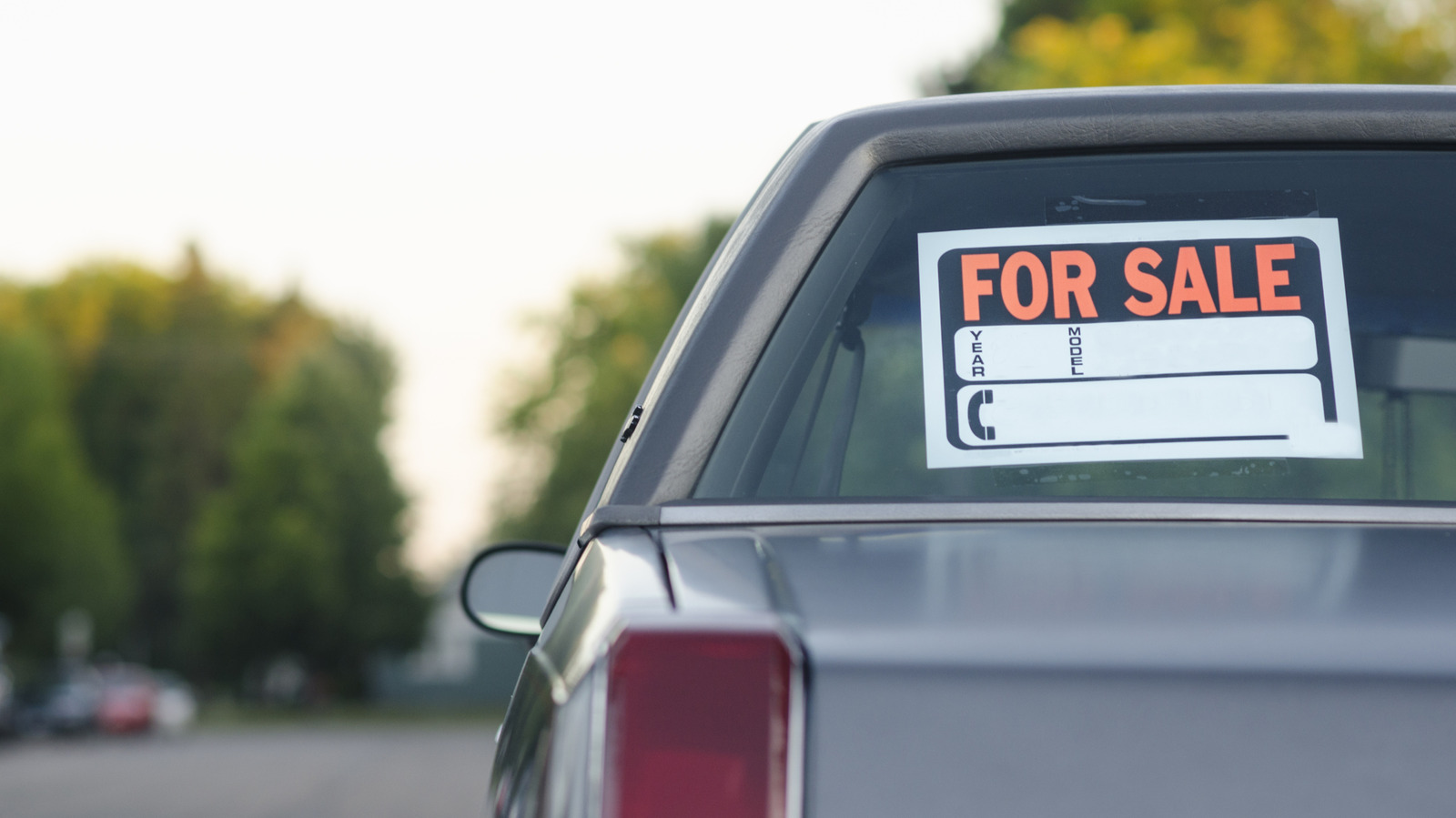
Private sellers often price vehicles below dealer retail, especially when sellers face time pressures or lack experience in valuation. A buyer purchasing a two to four-year-old mainstream sedan from a private owner typically saves 10 to 20 percent compared to similar retail pricing. Certified pre-owned vehicles command premiums for warranty coverage, yet standard used inventory sometimes sits with price flexibility that doesn't appear in advertised stickers.
Regional market variations matter considerably. Certain body styles experience local oversupply. Pickup trucks command higher prices in rural markets and lower valuations in dense urban areas. Sedan demand bottomed out during the SUV boom, creating inventory backlog at many dealerships. Buyers seeking three-row crossovers face tighter markets with less negotiation room, while sedan shoppers encounter motivated sellers.
Mileage thresholds create artificial pricing cliffs. A vehicle with 59,000 miles often commands significantly higher prices than one with 61,000, even though the mechanical difference proves negligible. Savvy buyers cross these thresholds deliberately, finding competent examples just beyond popular mileage cutoffs.
Depreciation patterns vary by brand and model. Japanese manufacturers hold value tenaciously, leaving limited room for bargains on used Hondas, Toyotas, and Mazdas. European and domestic brands depreciate faster, creating opportunities for buyers accepting higher maintenance risk. Luxury brands depreciate steeply after initial registration, offering loaded examples at prices that seem improbable compared to original stickers.
Color choices impact negotiation leverage. White and silver vehicles move quickly; unusual hues like light blue or tan accumulate on lots. Dealerships price these aggressively to clear inventory, benefiting buyers indifferent to exterior shade. Interior color matters similarly. Bright interiors fall from favor, creating discounting pressure on light leather or cloth seats that buyers can easily accept.
End-of-month and end-of-quarter dynamics influence dealer motivation. Sales quotas create genuine incentive to move inventory quickly. A buyer shopping on the 28th of February finds entirely different pricing than one arriving on the 4th of March.
Condition and service history documentation significantly impact final negotiated prices. A well-maintained vehicle with full service records commands premiums over identical examples with unclear maintenance histories. Conversely, exceptionally maintained examples with light use sometimes feature conservative asking prices when sellers underestimate their vehicle's value.
The current market rewards informed buyers. While prices remain elevated relative to pre-pandemic levels, actual deal-making continues. Buyers matching timing, market knowledge, and realistic expectations can still walk away discussing the price they paid with friends in disbelief.