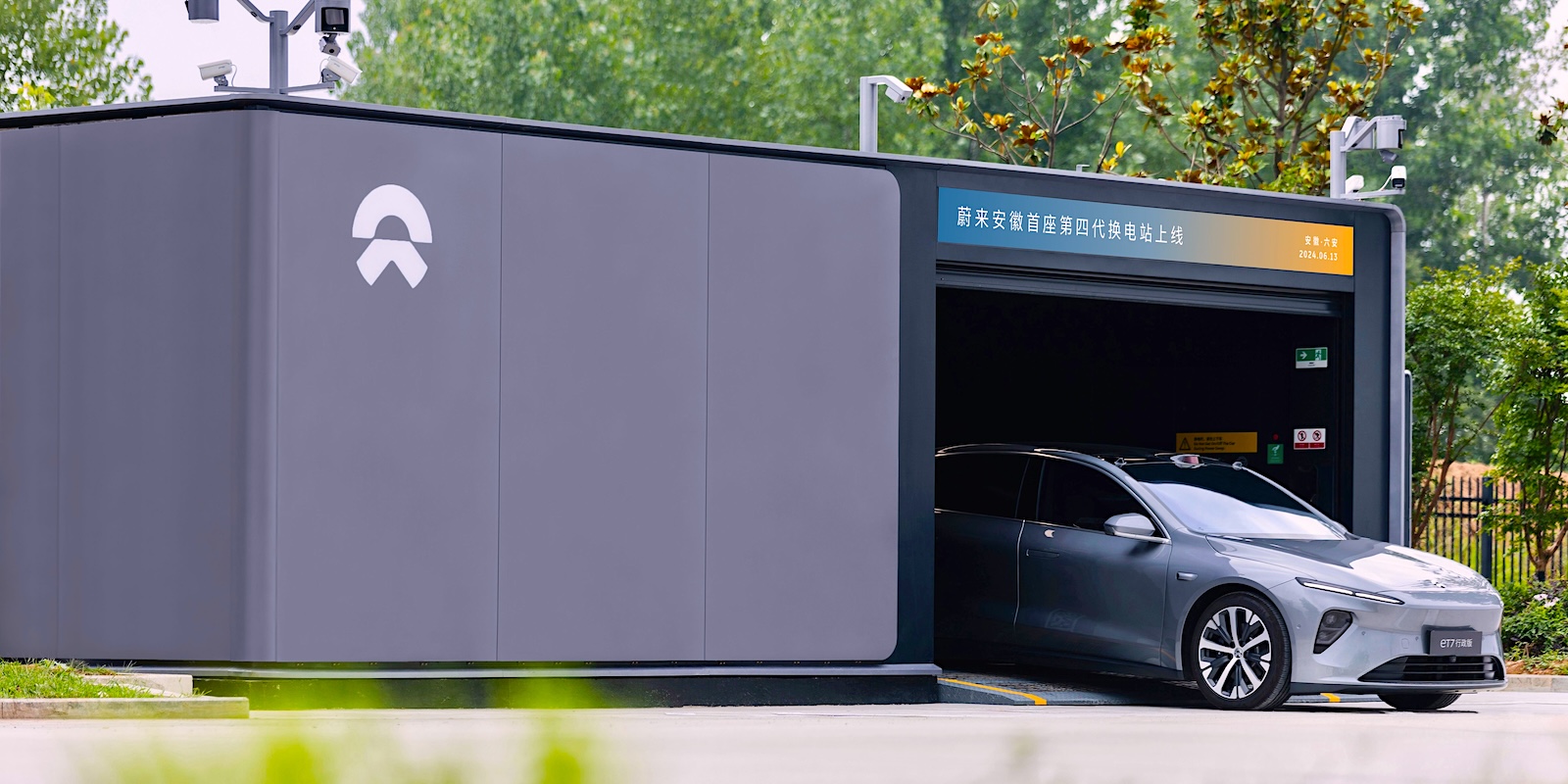
NIO has secured a strategic partnership with Geely Holding that values the Chinese EV maker's battery swap network at $2.4 billion. The deal hands a Geely subsidiary 30% of NIO Power, the standalone unit managing NIO's swap stations and charging infrastructure across China.
The structure reflects the capital-light approach both companies favor. Rather than a straight cash transaction, Geely contributes its own commercial battery swap operations plus RMB640 million ($94 million) in cash. NIO receives a 10% stake in Geely's charging division as part of the parallel arrangement. This asset swap allows both manufacturers to expand their energy networks without massive cash outflows.
The valuation signals confidence in battery swap as a viable EV infrastructure model, even as the industry remains divided on the technology's long-term viability. Tesla has rejected swapping entirely, betting on fast-charging networks instead. BYD and other Chinese makers have built competing swap ecosystems. NIO has installed thousands of swap stations across China and positioned swapping as a key differentiator versus traditional charging, especially for rural and long-distance driving.
Geely's investment comes at a pivotal moment. NIO has faced production headwinds and profitability challenges that forced cost cuts and workforce reductions last year. The battery swap business represents one of NIO's few standalone revenue streams outside vehicle sales. By securing Geely as a strategic partner and investor in NIO Power, NIO gains not just capital but also distribution opportunities across Geely's dealer network and vehicle lineup.
For Geely, the move consolidates fragmented battery swap infrastructure. Rather than operating competing networks, the two companies can now coordinate station placement, procurement, and operations. Geely also gains access to NIO's technology and operational expertise in swapping, which NIO has developed through years of deployment. The Chinese automaker gets equity upside if NIO Power grows valuations further.
The deal also signals that battery swap remains a contested infrastructure battleground in China. State-backed CAIC and CATL have formed joint ventures to build swapping networks. Li Auto, which dominates China's extended-range EV market, operates its own proprietary swap system. NIO cannot compete alone against these consolidated players, making partnerships essential for scale.
NIO Power currently operates roughly 1,700 swap stations in China and has been expanding into Europe with a handful of locations. The network serves not just NIO vehicles but third-party EV brands through partnership arrangements. A stronger balance sheet and operational support from Geely should accelerate expansion beyond NIO's core customer base.
This partnership reflects a broader trend of asset consolidation and joint infrastructure ventures across Chinese EV makers. Rather than each company building separate networks from scratch, manufacturers increasingly share platforms to improve unit economics. For consumers, more consolidated networks mean better access to swapping stations and reduced capital duplication across the industry.
The deal still requires regulatory approval in China, where foreign investment in energy infrastructure faces scrutiny. Assuming clearance, the partnership could reshape how battery swap scales across Asia and potentially Europe.