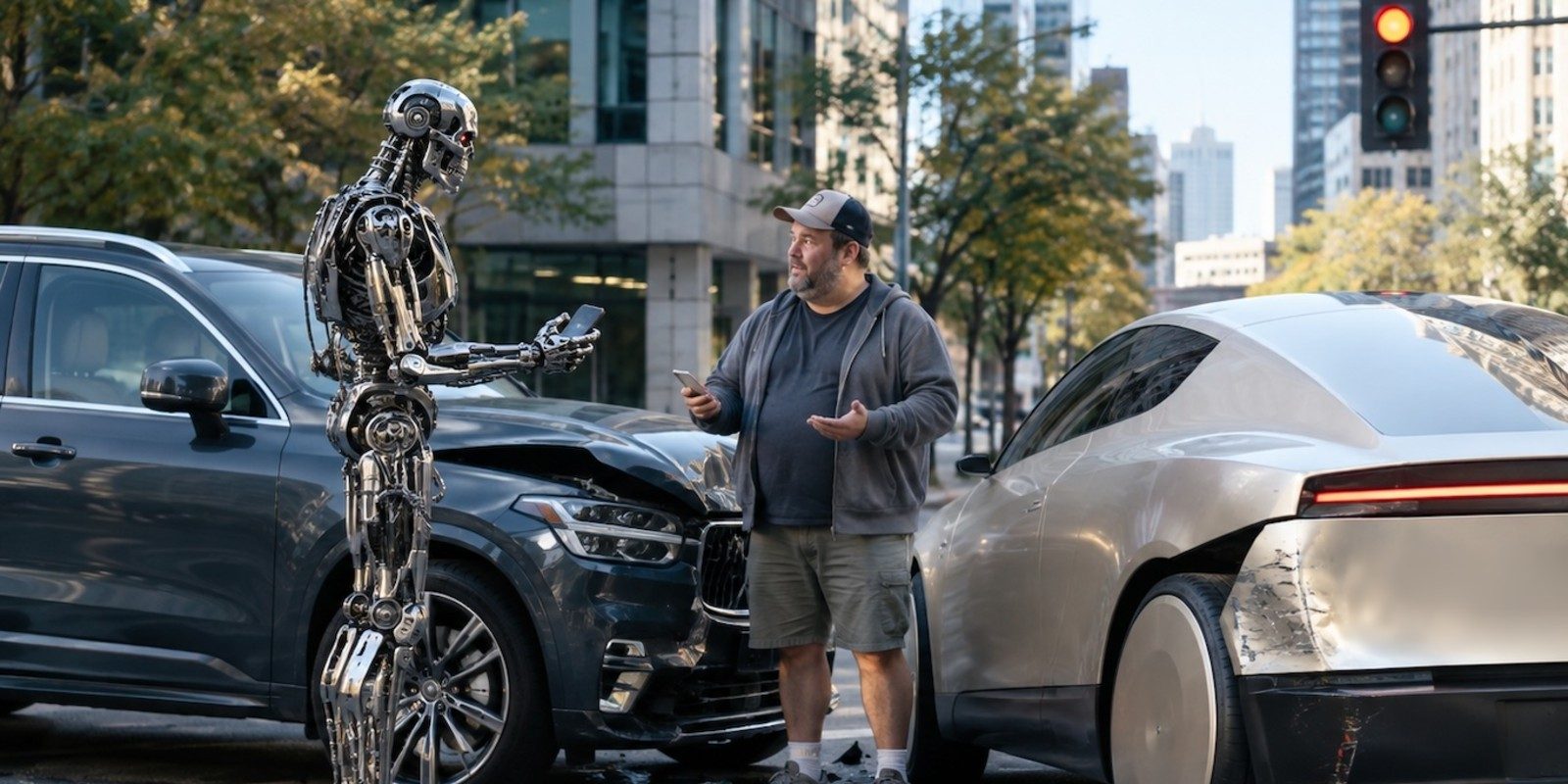
Autonomy advocates and regulators face a mounting accountability problem that consumers have grown skeptical about solving. An Electrek survey drawing nearly 3,000 responses reveals sharp divisions over who bears responsibility when autonomous vehicles cause crashes and injuries.
The survey question cut to the heart of a liability crisis shadowing the entire self-driving industry. As companies like Tesla, Waymo, and Cruise push autonomous capabilities into production vehicles, the legal and moral framework for assigning fault remains murky. Manufacturers argue that human operators retain ultimate control and must monitor systems. Plaintiff attorneys counter that if a vehicle operates without human intervention, the manufacturer owns the consequences. Insurance companies scramble to price risk they cannot yet quantify.
Reader responses split across predictable lines. Some voters held manufacturers fully liable, reasoning that companies deploying autonomous systems have superior knowledge of capabilities and limitations. Others demanded shared responsibility between automakers and vehicle operators. A smaller contingent backed full liability for drivers, treating autonomous features as tools rather than agents.
This split reflects the genuine legal void surrounding autonomous liability. Most U.S. states lack clear statutes defining responsibility when Level 2 or Level 3 systems fail. Tesla's Autopilot operates as a Level 2 system, requiring driver attention but marketed with language that often oversells its abilities. Waymo's fully autonomous robotaxi services operate at Level 4, removing human drivers entirely and centralizing liability on Waymo and its parent company Alphabet. Cruise, owned by General Motors, operates in a similar space but faces increased scrutiny after a 2023 incident in San Francisco.
The liability question directly impacts insurance costs and vehicle pricing. If manufacturers bear full responsibility, insurance premiums drop for buyers but rise dramatically for automakers. If drivers retain liability, premium structures revert to familiar patterns, but consumers face legal exposure for system failures beyond their control. This mismatch creates perverse incentives. A driver monitoring an autonomous system may face liability despite powerlessness to prevent a failure, while a manufacturer selling flawed software escapes responsibility by claiming driver monitoring is the safety layer.
Survey data like this reflects real consumer unease about autonomous liability frameworks. Readers understand that current legal structures inadequately protect either consumers or manufacturers. Thirty-five states have passed limited autonomous vehicle testing laws, but these sidestep the core liability question. Federal legislation remains stalled despite multiple proposals since 2017.
Insurance industry groups increasingly demand legislative clarity before autonomous adoption accelerates. They argue that undefined liability creates uninsurable risk. Manufacturers want liability caps and safe harbor provisions. Consumer advocates demand transparent testing data and regulatory pre-approval before autonomous vehicles operate on public roads.
The survey reveals that consumers want accountability but distrust current structures to deliver it. Without legislative resolution, liability disputes will cascade through courts for the next decade. Each case will establish narrow precedent rather than systematic rules. Tesla and Waymo will defend their systems in expensive litigation. Injured parties will struggle to recover damages. Insurance markets will underprice or refuse coverage for autonomous vehicles.
Regulators cannot continue deferring this decision. Consumer surveys like Electrek's demonstrate growing awareness that accountability frameworks must precede widespread autonomous deployment, not follow it. Clarity about liability would accelerate industry standards, insurance pricing, and consumer adoption more effectively than current regulatory silence.